
Months earlier in this endless year of Covid 19, French troubadour Francis Cabrel generously performed nightly “confinement” concerts streaming on Facebook. One of the highlights of these sessions was this performance: “La dame de Haute-Savoie,” is of course one of Cabrel’s best known tunes, while the country classic “Blue Eyes Crying in the Rain,” was written by Fred Rose in 1947. The song was recorded by C&W legends Roy Acuff, Hank Williams and even Elvis Presley, yet the most popular recording came in 1975 by country singer Willie Nelson.
Pope Francis’ Covid message: We must let ourselves be touched by others’ pain.
Pope Francis is the head of the Catholic Church and the bishop of Rome
By Pope Francis
In this past year of change, my mind and heart have overflowed with people. People I think of and pray for, and sometimes cry with, people with names and faces, people who died without saying goodbye to those they loved, families in difficulty, even going hungry, because there’s no work.
Sometimes, when you think globally, you can be paralyzed: There are so many places of apparently ceaseless conflict; there’s so much suffering and need. I find it helps to focus on concrete situations: You see faces looking for life and love in the reality of each person, of each people. You see hope written in the story of every nation, glorious because it’s a story of daily struggle, of lives broken in self-sacrifice. So rather than overwhelm you, it invites you to ponder and to respond with hope.
These are moments in life that can be ripe for change and conversion. Each of us has had our own “stoppage,” or if we haven’t yet, we will someday: illness, the failure of a marriage or a business, some great disappointment or betrayal. As in the Covid-19 lockdown, those moments generate a tension, a crisis that reveals what is in our hearts.
Continue reading “Pope Francis’ Covid message: We must let ourselves be touched by others’ pain.”France Rises Up After Police Beat Black Man

In Paris and other cities in France, hundreds of thousands of people took to the streets on Saturday, November 28, to demonstrate against the government’s proposed law to restrict freedoms and protect the cops.
On Saturday, November 28, dozens of demonstrations took place across France to denounce the Emmanuel Macron government’s new security bill, which would seriously curtail freedoms in the country, and against a new case of police violence in which three cops brutally beat a Black music producer. The mobilization in Paris was particularly large. More than 100,000 demonstrators marched from the Place de la République to the Bastille. Protesters came from the entire political and trade union Left, and included an important contingent from the New Anticapitalist Party (NPA). Several groups that fight police violence were also present, including the Justice and Truth for Adama Committee.[ . . . ]
Continue reading at LeftVoice: France Rises Up After Police Beat Black Man
“Comprehensive security” law: 133,000 demonstrators according to the interior ministry, 500,000 according to the organizers
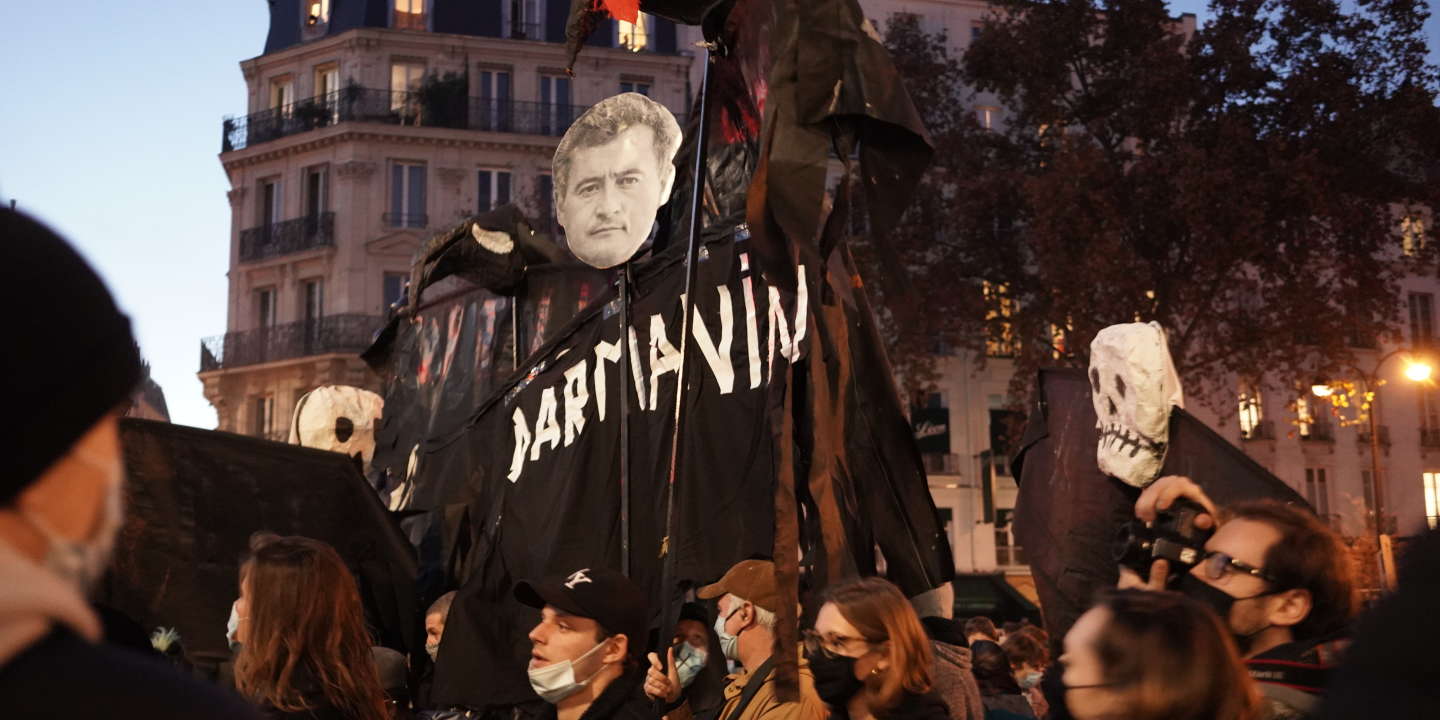
A Paris, où d’après le ministère de l’intérieur 46 000 personnes se sont rassemblées, quelques affrontements ont opposé manifestants et forces de l’ordre, contrastant avec un défilé calme [ . . . ]
How To Pair Bordeaux Red Wines With Food
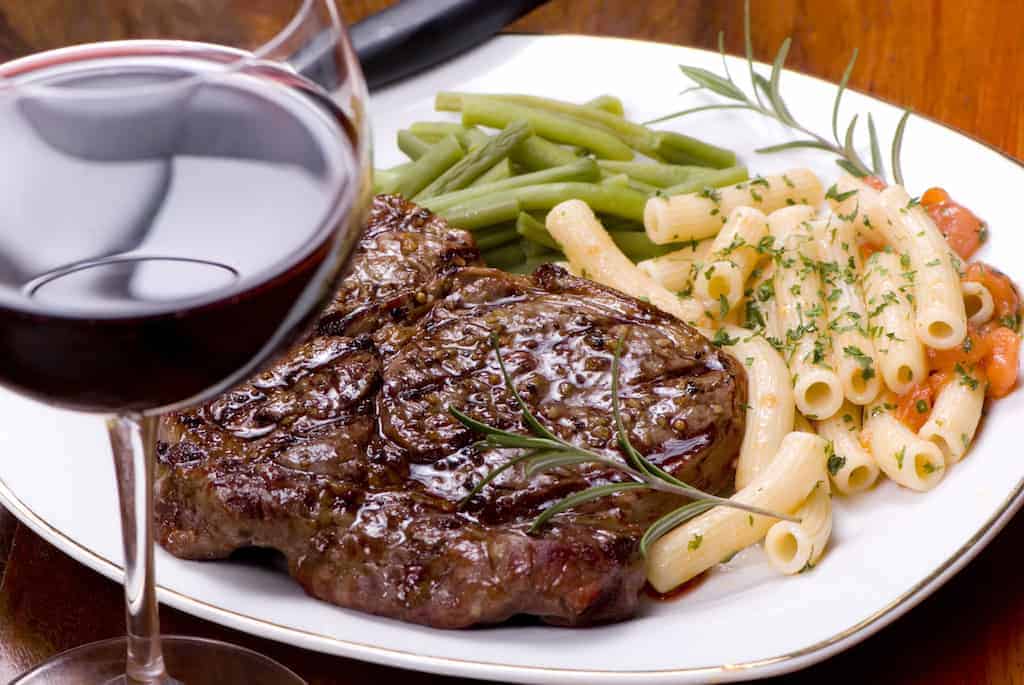
Food Pairing for Red Bordeaux Wines allows for a number of different dishes that serve to compliment and enhance both the food and wine. We take a look at both Left Bank and Right Bank Red Bordeaux Pairings, in addition to the recipes needed to make these delicious and savory dishes.
The Bordeaux region of France is one of the most noteworthy winemaking regions in the entire world. It’s prized by both wine aficionados and newcomers alike due to its rich flavor, complexity, and refined characteristics.
While both red and white wines are produced in Bordeaux, it’s typically the red blends that are most prized by consumers.
Bordeaux red wines are complex, with rich mineral flavors, earthy tones, and refined red, black & blue fruit. Today, we’ll be looking at the best Bordeaux food pairings & recipes for various styles of Red Bordeaux Wine.
A “Bordeaux” red blend (also called a Claret) is typically made from at least two grape varieties, however, there are up to 5 grape varieties that are approved to be utilized when making red wine in the Bordeaux region. Those grape varieties include Cabernet Sauvignon, Merlot, Cabernet Franc, Petit Verdot, and Malbec.
The Best Food Pairing for Bordeaux Red Wines – Left & Right Bank Red Blends
Also worth noting is that there are several sub-regions within the Bordeaux winemaking region of France. Depending on location, some red wines may be more Cabernet Sauvignon heavy, while others may be more Merlot dominant. For simplicity’s sake, we’re going to split Bordeaux in two and discuss two typical winemaking styles in the region that most commonly utilized
When Women Were Birds
Photograph: Viola Loretti
By David Price
“Once upon a time, when women were birds,
there was the simple understanding that
to sing at dawn and to sing at dusk
was to heal the world through joy.
The birds still remember
what we have forgotten,
that the world is meant to be
celebrated.”
~Terry Tempest Williams
There comes a time when we must allow something timeless to touch us in order to truly change and move beyond our fixed attitudes and limited understanding of the mysteries of life. When it seems like all might end in disaster, it becomes a question of finding the deeper imagination of life, the enduring patterns and essential stories that reunite us to the pulse of nature and the heart of culture.” — Michael Meade
“In exile, we must do as the goddess Innana did, surrendering layer after layer of armour and adornment, until we are bare. We must then undergo a symbolic death of the old life in order to be reborn with greater resilience and a holy assignment to carry forward.
Excerpt from Belonging: Remembering Ourselves Home by Toko-pa Turner (belongingbook.com)
Mass has been canceled here because of the threat of plague but the sonorous bells have been ringing all morning. It’s a comforting sound in its feeling of community and it’s calling to worship the mystery.
The world is a mystery to be celebrated, not used as a tool to make us rich, or even to just survive. It is to be seen in its beauty, recognized as a mystery and consciously celebrated. The mystic vision that goes into art and poetry is needed now. We need to develop a deeper imagination of life. Our imagination of things now is poor. It’s poverty stricken. We are commanded now by circumstances to look again, more deeply, more lovingly, with closer attention. Continue reading “When Women Were Birds”

