Right-wing conspiracies and the pandemic created a petri dish for the child-trafficking hoax.
For indispensable reporting on the coronavirus crisis and more, subscribe to Mother Jones’ newsletters.
Curious, Simon dug deeper. In Schroeder’s Instagram Highlights, which are Instagram stories selected by posters to stay up longer than the normal 24 hours, Simon found a set of messages titled “Theory.
Jaylnn Schroeder, an Instagram influencer with 50,000 subscribers, seems like any one of the thousands of people who have grown an audience on the platform by presenting a curated glimpse of their life. With a bio of “Sharing my Passions + Purpose” that notes “I believe in love + light + ,” she mostly posts photos of family, friends, and outfits.
From St. Tropez to Marseille, these are the dishes that will definitely make your Instagram followers jealous.
1. Ratatouille
No, it’s not just a cute animated childrens movie about — of all things — a rat who likes to cook. It’s actually a vegetable stew originally made by peasants in the South of France (particularly in Nice) when they didn’t want to waste a bunch of random ingredients. Ratatouille is tomato based, with zucchini, eggplant, onions, and a variety of spices, and it is slow cooked until the vegetables gain a smooth, creamy texture.
2. Socca
Like many of these dishes, socca is an example of Provence’s Mediterranean influences, both Italian and North African. Socca is a thin, unleavened pancake made from chickpea flour typically baked in a tinned copper plate as a street food in Marseille or Nice.
3. Soupe au Pistou
This vegetable and bean soup is similar to the Italian minestrone, but a bit tapered down, designed to highlight the vegetables of the season. White beans, tomatoes, onions, green beans, squash, and pasta are common ingredients. And the coup de grâce is the spoonful of pistou, pesto made without pine nuts, plopped right on top for you to stir in. Continue reading “9 Classic Dishes from Provence to Try this Summer – Frenchly”→
From James Baldwin to Jake Lamar, there are so many incredible black writers who have made Paris their home.
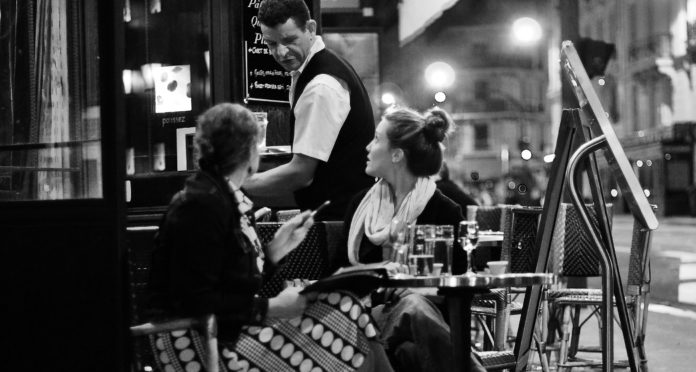
Langston Hughes
Every white writer who’s been to France has an essay, a memoir, a novel, or a poetry collection about the country. It’s practically a rite of passage. But Paris didn’t cease to exist once Hemingway was done with it. There are countless black writers who expatriated to France and wrote about the country with just as much insight and skill. So if you want to understand or live the expat experience, it’s time you start reading about the other side of it. (Consider also purchasing from a local black-owned bookstore, like Sisters Uptown Bookstore in NYC, Mahogany Books in Washington D.C., or Black Pearl Books in Austin.)
James Baldwin
Where to start, but with James Baldwin? The Harlem-born writer moved to Paris in the middle of the twentieth century, at the age of 24, to escape the racism and prejudice he faced in America. In addition to works like Go Tell It On The Mountain and Notes on a Native Son, one of Baldwin’s must-reads is Giovanni’s Room, a quasi-autobiographical novel about a young black man who takes up with a handsome Italian in Paris, and one of the seminal works of black queer fiction.
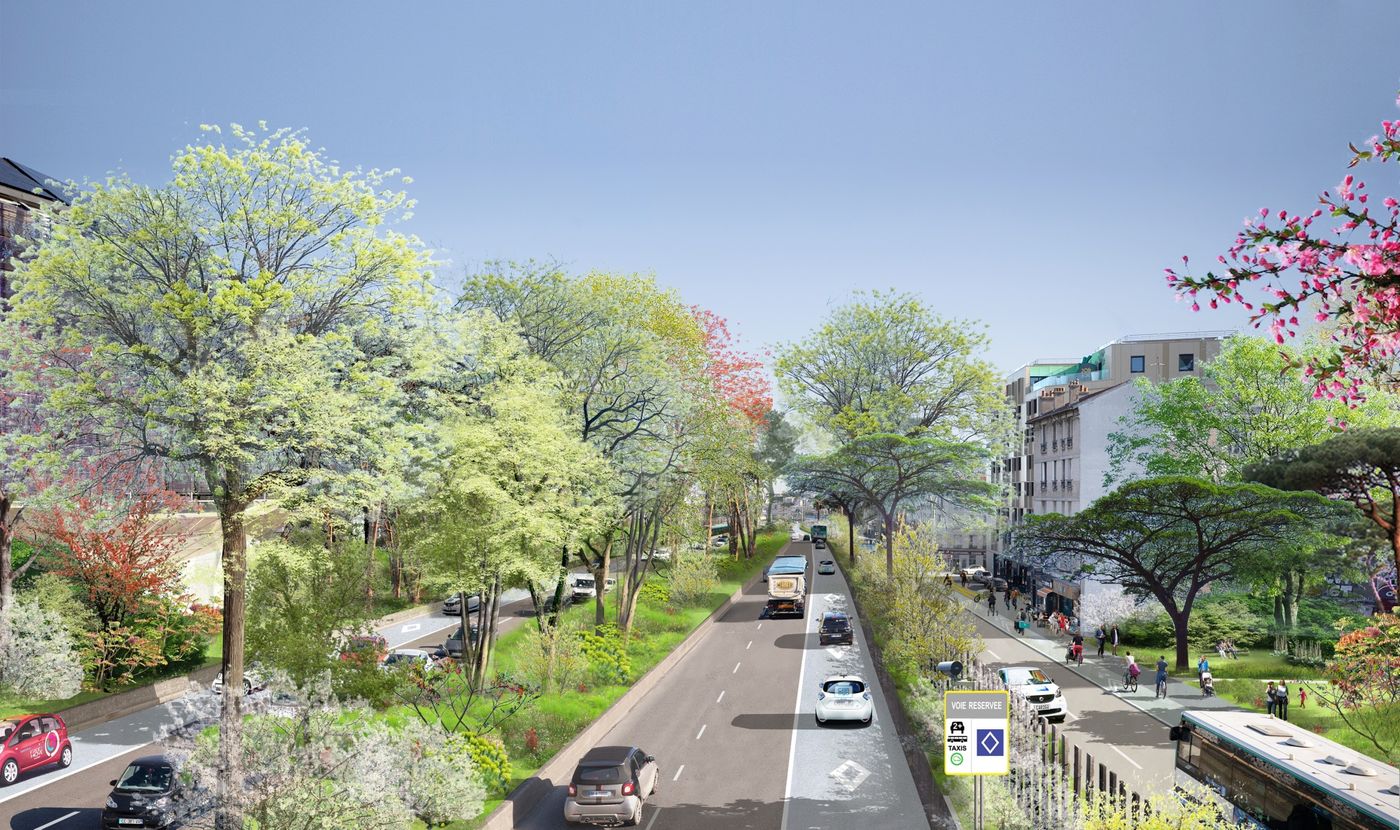
A rendering of the reimagined Paris beltway. (Credit: Céline Orsingher)
Mayor Anne Hidalgo’s reelection manifesto calls for a green revamp of the Boulevard Périphérique, the city’s car-clogged inner ring urban highway.
By Feargus O’Sullivan
Like so many cities, Paris is girdled by beltways — several of them, in fact. The innermost and most notorious one is known as the Boulevard Périphérique, a 22-mile-long ring road completed in 1973 and built in part upon the footprint of the city’s historic walls. The traffic-clogged urban highway plays a major role in Parisian mobility, but it’s also a prime contributor of pollution, both atmospheric and aural, as well as an all-but-impassable barrier severing the historic city from its inner suburbs. Last year, Paris deputies proposed downsizing the Périphérique, removing vehicle lanes and dropping speed limits to transform the road from a smog-spewing limited-access highway into a tree-lined “metropolitan avenue.”
This week, Rolling Stone Hebdo went to meet sound architect Rodolphe Burger. Our journalist Eric Delon discussed all the passion of the Alsatian musician.
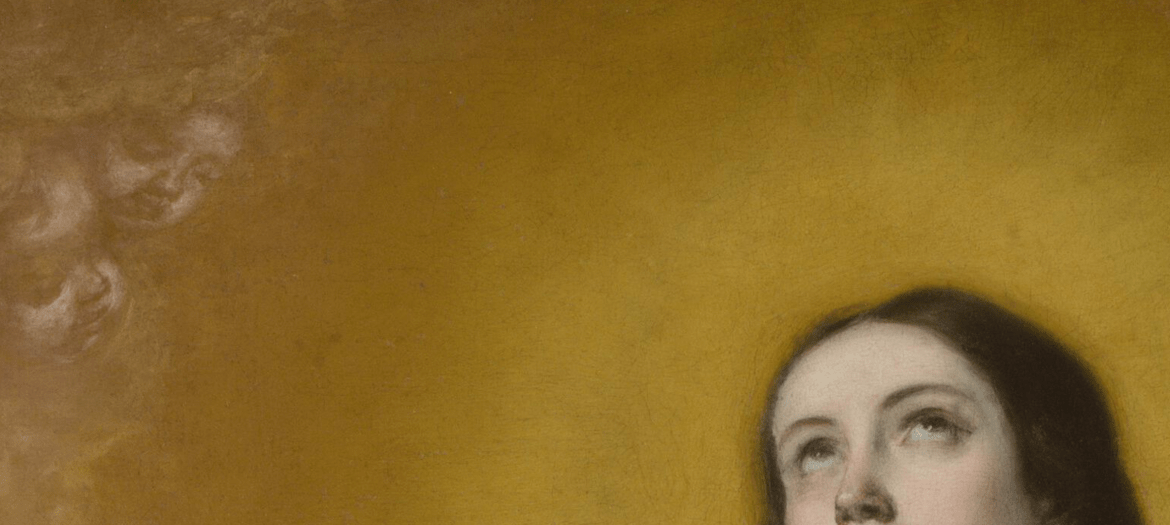
Thanks to two recent developments – the recognition of a miraculous recovery in Lourdes and the new film by Xavier Giannoli -, the Marian apparitions are coming back to the fore. Analysis of a phenomenon as old as Christianity in the chronicle of Alain Cabantous
Almost suddenly, two close facts have been part of our news. On the one hand, the recognition by the Beauvais ordinary of the miraculous healing of Sister Bernadette Moriau, delivered from an incurable illness in July 2008 following a pilgrimage to Lourdes a few months before. On the other, the remarkable release of Xavier Giannoli’s film, The Apparition, where Vincent Lindon plays a talented journalist commissioned by the Vatican to investigate the apparitions of the Virgin in the south-east of France. As if the month of Marie had taken some advance sliding from May to February!
In fact, these two phenomena are apparently fairly commonplace. Since the tenth century, when Mary would have appeared more than 21,000 times, the Roman Church has recognized only fifteen! And, in this area, it was not the 19th century that beat the record despite La Salette (1846), Lourdes (1858) or Pontmain (1871), but the 20th century. From Fatima (1917) to the Medjugorje years (since 1981), there would have been four times more appearances than in the previous century. Between 1945 and 1959, the “Lady of all peoples” appeared fifty-six times to a woman from Amsterdam. Same inflation and same ecclesiastical prudence for miraculous healings. In Lourdes alone, between 1858 and 2018, there were more than 7,300 of which 70 (for two thirds of them before 1914) endorsed by the hierarchy.Continue reading “LA VOILOU, LA VOILÀ !!”→

 ,” she mostly posts photos of family, friends, and outfits.