
Category: Food & Wine
Fromage Fort Is a Cheesy Spread Made From Wine, Cheese, and Butter
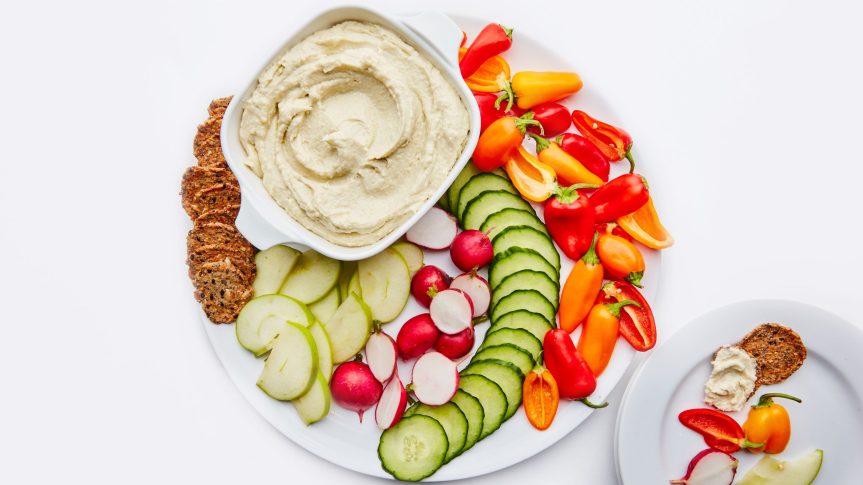
Cheese, butter, wine—name a more iconic trio.
The only thing better than a good recipe? When something’s so easy to make that you don’t even need one. Welcome to It’s That Simple, a column where we talk you through the process of making the dishes and drinks we can make with our eyes closed.
My parents are notorious cheese hoarders. There is never a time when I’m at their house and their cheese drawer isn’t overflowing with Havarti for my mom and a sharp Irish or Australian cheddar for my dad, plus whatever called their names at the grocery store that week.
Unfortunately I’ve inherited this trait. I can’t resist combing through any “just-enough” cheese bin and taking one or two home with me. But when a regular cheese-and-cracker combo isn’t hitting the spot anymore, or I have a leftover hunk from a recipe and I don’t know what to do with the rest, fromage fort is my savior. Quite literally meaning “strong cheese” in French, it is the divine combination of cheese, butter, and wine. Blended up with the allium or herbs of your choice, it becomes an impossibly addictive and infinitely adaptable spread, and though it feels posh, the only thing you need to make it is a food processor.
It requires about 8 oz. cheese, room temperature (you can always do more, but depending on the size of your food processor, you may have a hard time doing less). Part of the fun is figuring out which cheeses to play against each other. In general bluer, funkier, or saltier cheeses will have a more dominating flavor than milder cheeses, so use less of them if you want the flavors of any other cheeses to come through. Try balancing 1 or 2 oz. of your blue or funky cheese with 3 or 4 oz. of something mild and buttery, like Muenster or Gouda, and round out the rest with familiar fridge standbys like goat cheese, Parmesan, or cheddar. Grate any harder cheeses and cube or crumble softer cheeses. If you want to add garlic—and you do—give a clove a rough chop. Continue reading “Fromage Fort Is a Cheesy Spread Made From Wine, Cheese, and Butter”
Guillaume Brahimi on French eating and staying healthy
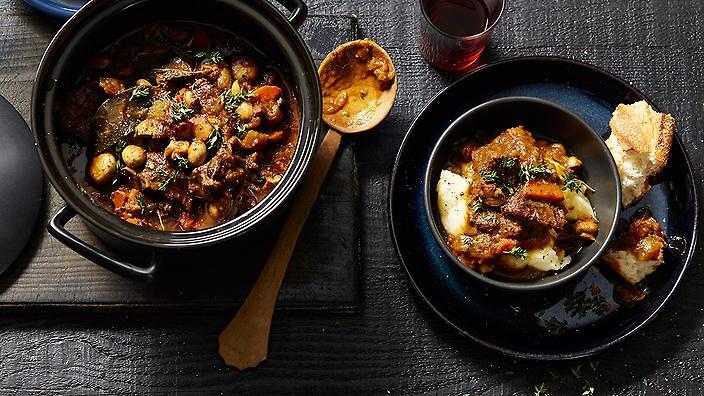
“No matter what social class you belong to, you sit down for lunch in France”
People sometimes remark that eating cheese and drinking red wine may contribute to French people’s good health.
But French-Australian chef Guillaume Brahimi says these ways aren’t a part of the diet that he knows. Instead, he thinks the French’s healthy habits include honouring meals and slowing down to savour food.
Lunch, a meal that here in Australia we expect to be quick and easy to devour, is a leisurely, planned affair in France. Often a French family will gather to cook something and take the time out of their day to eat. “No matter what social class you belong to, you sit down for lunch in France,” says Brahimi.
Part of this respect for meal times comes from the esteem that the French place on food. Branavie Ranjithakumaran, a Melbourne-based dietitian, says that the way they regard food differs from other parts of the West, where there’s an underlying fear about the damage food may cause to the body.
Ranjithakumaran says, “[In France], there is emphasis placed on the social and psychological aspects that come along with the food. It’s not enough to consume it in a short period of time. It’s a real point in the day to stop, slow down, and be mindful, then be able to reset for the rest of the day.”
Continue reading “Guillaume Brahimi on French eating and staying healthy”
French Wine Volumes to Recover After Record-Early Grape Harvest
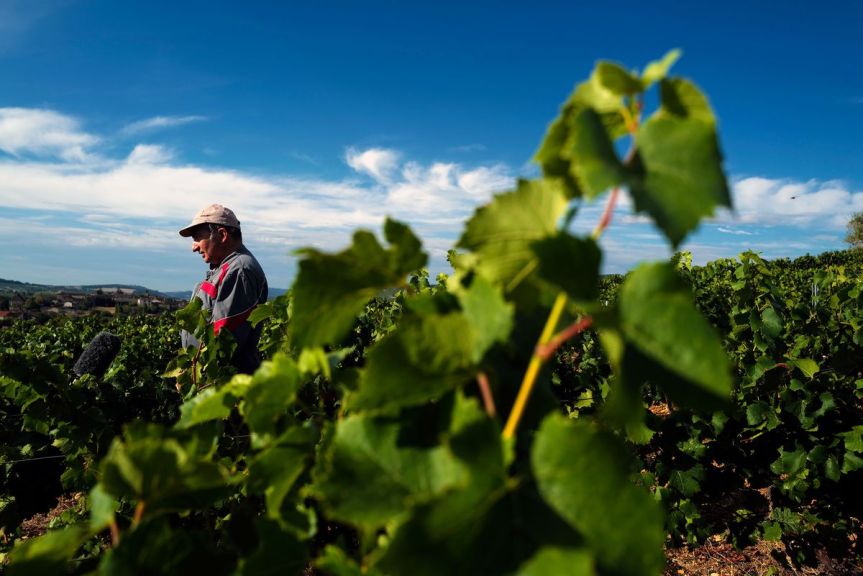 France is forecasting a recovery in wine production this year as volumes increase in all main growing areas, following a record-early start to grape harvests in regions including Champagne and Burgundy.[ . . . ]
Source: French Wine Volumes to Recover After Record-Early Grape Harvest – Bloomberg
French warm to ‘impossible’ wine from Calvados country

When a solicitor from Normandy announced plans to make wine in his home region, connoisseurs were incredulous. “It seemed totally incongruous to them,” Gérard Samson, 62, said. “It wasn’t just that they thought the wine would be bad. They thought the idea was impossible.”
It has taken Mr Samson more than 20 years to overcome the deeply held belief that only a fool would create a vineyard so close to England, but, at last, he appears to have beaten the prejudice.
Sales of reds and whites from his Arpents du Soleil vineyard in the Calvados area have risen by about 20 per cent compared with 2019, and the demeanour of customers arriving for tastings has changed completely.
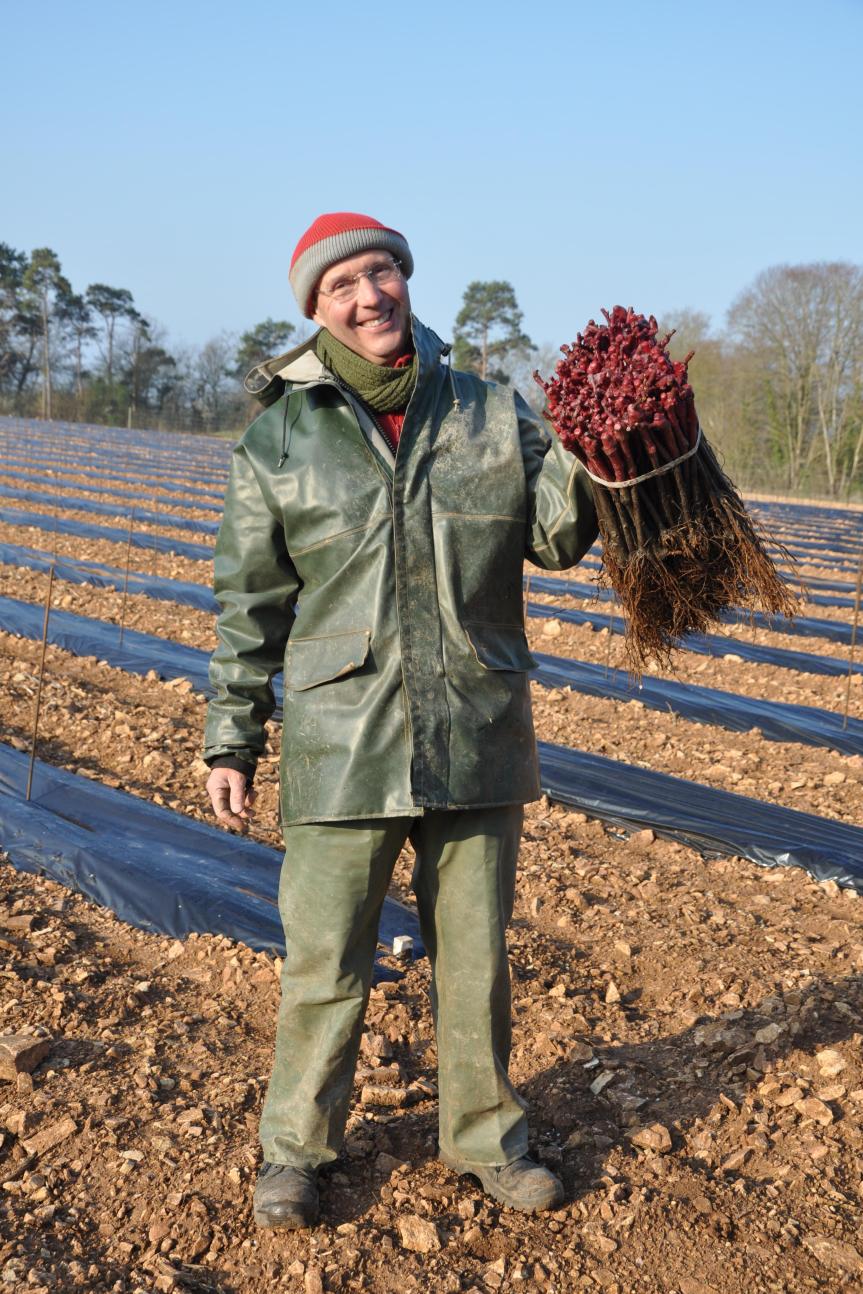
The French former lawyer Gérard Samson has found success with his Normandy vineyard [ . . . ]
Continue at The Times: French warm to ‘impossible’ wine from Calvados country | World | The Times
Bright and vivid, it’s hard to beat Beaujolais for ‘gluggable’ wines
Caves de Juliénas-Chaintré Villages Cuvée Six, Beaujolais-Villages, France 2018 (from £9.95, nywines.co.uk; eynshamcellars.com; butlers-winecellar.co.uk) It would be very hard to find a red wine region in the world offering better value for money than Beaujolais at the moment. I don’t just mean that the land north of Lyon provides some of the most reliably drinkable red wines you can find for not much more than a fiver. Wines that are relatively light and, with their soft to non-existent tannin and bright berry thirst-quenching juiciness, are the ideal incarnation of that onomatopoeic wine adjective, gluggable. Chillable, wines such as Tesco Beaujolais Rouge or Sainsbury’s House Beaujolais (both exactly £5). The region also regularly hits a thirst-quenching, prettily-scented spot for a couple of quid more, with “villages” wines, from superior vineyards, such as Morrisons The Best Beaujolais Villages (£6.50 until 4 October), Waitrose Blueprint Beaujolais-Villages 2018 (£7.99) or, in super-succulent, vivid, finger-staining, fresh-off-the-bush style, the Cuvée Six made by a 170-strong co-operative of local growers.
Continue reading “Bright and vivid, it’s hard to beat Beaujolais for ‘gluggable’ wines”
 Pas De Merde