9 Classic Dishes from Provence to Try this Summer – Frenchly

From St. Tropez to Marseille, these are the dishes that will definitely make your Instagram followers jealous.

1. Ratatouille

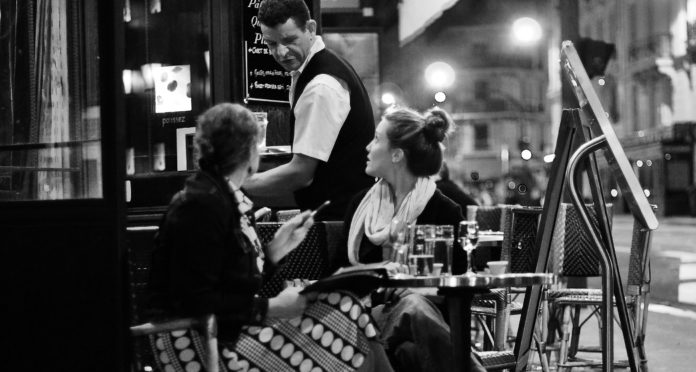
No, it’s not just a cute animated childrens movie about — of all things — a rat who likes to cook. It’s actually a vegetable stew originally made by peasants in the South of France (particularly in Nice) when they didn’t want to waste a bunch of random ingredients. Ratatouille is tomato based, with zucchini, eggplant, onions, and a variety of spices, and it is slow cooked until the vegetables gain a smooth, creamy texture.

2. Socca

Like many of these dishes, socca is an example of Provence’s Mediterranean influences, both Italian and North African. Socca is a thin, unleavened pancake made from chickpea flour typically baked in a tinned copper plate as a street food in Marseille or Nice.

3. Soupe au Pistou

This vegetable and bean soup is similar to the Italian minestrone, but a bit tapered down, designed to highlight the vegetables of the season. White beans, tomatoes, onions, green beans, squash, and pasta are common ingredients. And the coup de grâce is the spoonful of pistou, pesto made without pine nuts, plopped right on top for you to stir in. Continue reading “9 Classic Dishes from Provence to Try this Summer – Frenchly”

Farm on a Paris rooftop: Urban farm aims to be Europe’s largest

The first phase of a vast urban farming project in Paris is now under way following a two-month delay caused by the Covid-19 pandemic. Set on a Paris rooftop, the farm is set to grow over the next two years to become the largest urban farm in Europe.

The farm, on a rooftop of the Paris Exhibition Centre in the south-west of the city, currently covers an area of 4,000m², but those behind the project plan to expand the agricultural space to 14,000m² by 2022.

They hope to be able produce around 1,000kg of fruit and vegetables every day in high season thanks to a team of around 20 farmers while providing a global model for sustainable farming where produce is grown locally and according to the seasons.

“The goal is to locally supply healthy, pesticide-free products to local businesses, company restaurants, and to farming associations in a nearby area,” Agripolis president Pascal Hardy told AFP.

Along with commercial farming, locals are able to rent space on the rooftop to grow their own fruit and veg, while visitors can sample the produce at an on-site restaurant.

The farm is part of what appears to be a growing trend in the French capital to produce and consume food locally, with a number of urban farming projects springing up around the city in recent years, while Paris City Hall has committed to creating 30 hectares of urban farming space in the city in 2020.

“The real trend today is towards quality local products, more so than organic,” said Hardy.

“We’re at the top of the organic wave, but we’re on the way down, and the challenge now is to be able to show how the products were generated, and also to show that they don’t come from the other side of the planet, like beans from Kenya, for example, or from deep in Spain with farming practices that are not very virtuous.”

Source: Farm on a Paris rooftop: Urban farm aims to be Europe’s largest

What Questions Do You Ask At A Wine Tasting?

“Can I have a straw,” “That costs how much,” “Does it come in green” and other important questions along with a few serious ones.

Here are a few questions I would suggest asking if you want to learn more about the wines you’re tasting. But again, please feel free to ask any question that pops into your head. Wine and wine tastings should be fun, not a chore.

DIFFERENT TYPES OF WINE TASTINGS

But before we get to a few suggested questions, I thought it might be important to distinguish between different types of wine tastings. Because where you are – and who you’re with – could make a dramatic difference in the questions you might ask about the wine.

In my experience, there are five types of wine tastings.

1) Wine tasting often hosted by a wine store featuring a wide variety of wines – This is a very common wine tasting, often hosted by many wine stores, sometimes once a week. Hopefully, the person serving the wines knows something about them. But that might not always be the case. If so, trust your own instincts and your taste buds.

2) Wine tasting often hosted by a wine store featuring on particular type of wine – A slightly less common wine tasting, but one that can be fascinating to discover the subtle differences between different wines from the same wine region. Here, the people serving these wines often know a fair bit about them. Ask them questions. I’m sure they’ll love to talk about wines they’re clearly passionate about.

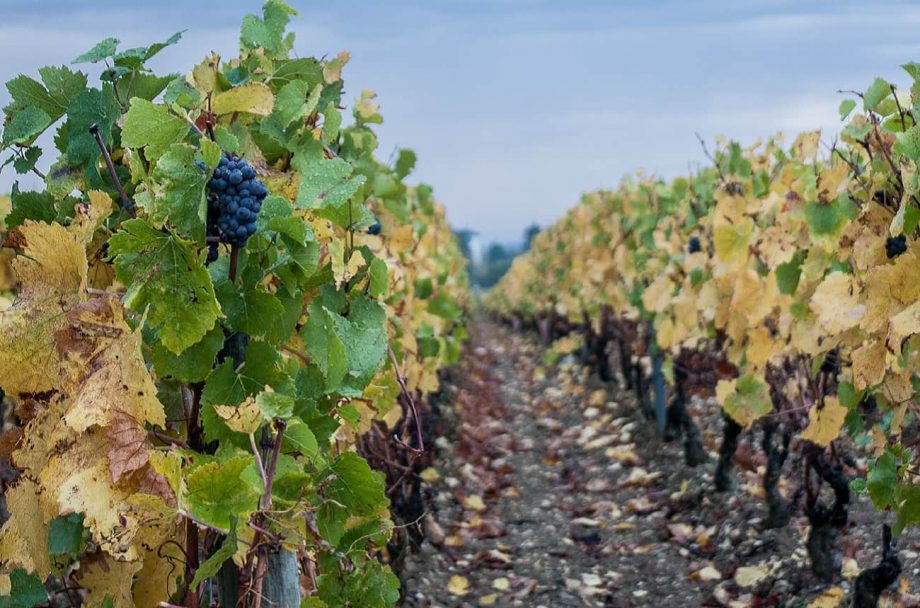
3) Wine tasting at a winery – This is a great way to learn about wine, especially if the wine maker is there to talk about their wines. You’ll also get to see where the grapes are grown, which can greatly enhance your understanding of the wine. Definitely ask the people questions, especially the winemaker. Most winemakers love talking about their wines.

4) Wine tasting hosted by a friend – Feel free to ask your friend questions. But please, also remember to have fun. You’re there to enjoy the wines hopefully, not quiz your friend about their wine knowledge.

5) Professional wine tasting hosted by a wine association – Imagine hundreds of different wines and only a two or three hours to taste all of them. Be prepared to taste fast, move quickly and often ask questions later. Do the math. If you only have 30 seconds to taste each wine, trust yourself and focus on how the wine tastes.

You can also find more tips on how to tackle a wine tasting in a wine column I wrote last year about this exact subject.

But that’s another topic for another day. Let’s get to the questions.

QUESTIONS TO ASK AT A WINE TASTING

“Where is this wine from?”

This question might not be necessary depending on the type of wine tasting. If you’re at the winery, you obviously know the origin of the wine. But even if you know that the wine is from California or France – or even somewhere more specific like Napa Valley or Burgundy – feel free to dig a little deeper. Ask what part of Napa or Burgundy or even what vineyard the wine’s from there. If the person answering your questions knows a lot about wine, feel free to ask them a few more questions. Continue reading “What Questions Do You Ask At A Wine Tasting?”

How much does a French vineyard cost?

vineyard

A single hectare of Burgundy grand cru vineyard cost €6.5m euros on average in 2019, which is up by 4% versus 2018, according to French land agency Safer.

That’s if you can find anything to buy, of course; if vines change hands within top Burgundy climats then buyers often deal in values of less than one hectare.

Safer figures show that average prices for Burgundy grand cru vines have risen by 71% since 2012.

If that you think that sounds prohibitive, then some winemakers in the Côte d’Or would likely agree. Safer cited ongoing concerns among producers about rising land costs and the difficulties this poses for wineries within France’s inheritance laws.

Elsewhere in France, it will come as no surprise to see the best-known appellations topping the vineyard price charts.

A single hectare in Bordeaux’s Pauillac appellation cost €2.3m per hectare on average in 2019, up by 5% on 2018, while Pomerol rose by 6% to €1.9m per hectare.

In the Côte des Blancs area of Champagne, vineyards cost a little more than €1.6m per hectare last year, up by 2% versus 2018.

However, there is a huge disparity in vineyard prices in France – as you might expect, given the size of the country’s wine industry.

Across France, appellation controlée (AOP) vineyards cost €148,000 per hectare on average in 2019, up by 0.5% versus 2018, said Safer.

Prices for AOP vineyards have more than doubled since 1997, but some were still well below the average.

A single hectare of Faugères vineyard in Languedoc (now Occitanie) cost €16,000 per hectare on average in 2019, having not changed since 2018.

Prices can vary significantly within some areas for different plots, depending upon their quality potential.

Outside of the AOP zones, French vineyard prices rose by 1.5% on average in 2019, to €14,400 per hectare.

It’s worth noting that buying a vineyard is just one step in a winemaking dream that is likely to involve significant up-front costs in general. Seek professional advice before making any decisions, of course.

Source: How much does a French vineyard cost? – Decanter

Les Français entrent dans une phase de déconfinement accéléré

TÉMOIGNAGES – Alors que la pression monte en faveur d’un retour à la normale, ils sont de plus en plus nombreux à ne plus appliquer les gestes barrières.

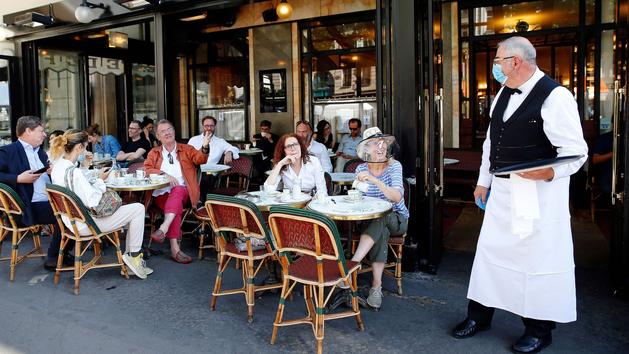
Il y a quelques semaines encore, chacun se tenait scrupuleusement à un mètre de distance dans la file d’attente au supermarché, barricadé derrière son masque chirurgical, avant de se frictionner les mains au gel hydroalcoolique pour la dixième fois de la matinée. Cette époque d’avant le 11 mai semble aujourd’hui à des années-lumière du quotidien de bien des Français. Et si «le virus recule, mais circule toujours», comme l’a rappelé vendredi dernier le ministre de la Santé, Olivier Véran, nombre de citoyens ont repris une vie normale, lassés de vivre dans un monde aseptisé où tout doit être, en permanence, désinfecté.

«On s’est fait la bise»

Dans le métro parisien, on observe ainsi que le port du masque, pourtant obligatoire, n’est pas toujours respecté, parfois porté négligemment autour du cou, ou bien «oublié»… Et dans le domaine privé, le relâchement est encore plus généralisé. «J’ai revu des amis qui m’avaient beaucoup manqué et on s’est fait la bise, raconte ainsi Lucie, la vingtaine, étudiante en Bretagne [ . . . ]

Continuez à: : Les Français entrent dans une phase de déconfinement accéléré

Cook This: Better have a big loaf of French bread to sop up the sauce of these chargrilled shrimp

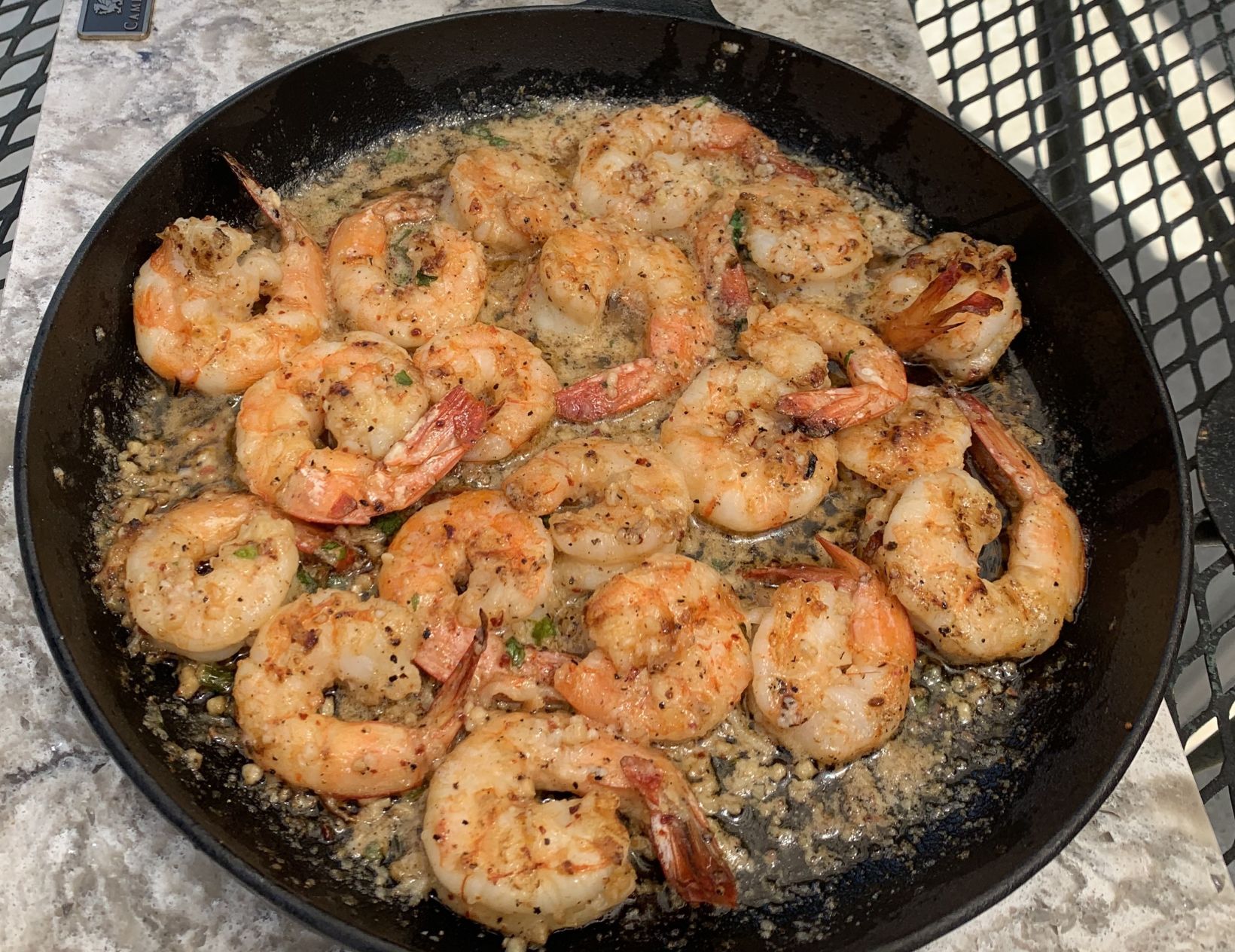
This may be the best way to eat shrimp — ever.

Make more than you ever think you could eat because, trust us, you will eat them all and be begging for more.

The shrimp are grilled then bathed in a garlicky, buttery, cheesy (but not too cheesy) sauce that is so darn good be sure you have some French bread on hand to sop it all up.

Peel and devein the shrimp, but leave the end of the tail on if you’d like.

Chargrilled Shrimp

Recipe is by Jay Martin.

Sauce:

8 tablespoons (1 stick) unsalted butter, very soft

Pinch of salt

Continue reading “Cook This: Better have a big loaf of French bread to sop up the sauce of these chargrilled shrimp”