The fair underscores its links with the museum world in its third edition. Plus highlights from Paris Photo and Also Known as Africa
Fine Arts Paris began in 2017 as a boutique affair of 34 dealers, and though it has now grown to 46 exhibitors – most of them French – it still prides itself on carefully crafted displays and museum-quality works. This year (13–17 November), the fair is looking to underscore its links with the museum world with an events programme that offers behind-the-scenes tours of various institutions. Visitors will also be treated to a first look at the Château de Fontainebleau’s most recent acquisition: a late 16th-century mythological scene by a follower of Francesco Primaticcio. La Piscine – the museum of art and industry in Roubaix – provides a pop-up display of works from its collection, by artists including Marc Chagall and Camille Claudel.
At Galerie Charvet there is a selling exhibition on the theme of museum interiors; highlights include a painting of a man polishing the armour of a horse guard at the Royal Armoury in Turin, by the Piedmontese artist Giovanni Giani in 1892. [ . . . ]
Continue at APOLLO MAGAZINE: Fine Arts Paris and beyond | Apollo Magazine
The United Nations’ cultural agency has been criticized for covering up the genitalia of a series of nude sculptures with underwear.
Works by French sculptor Stéphane Simon, which show nude, classical-style figures taking selfies, were being displayed in Paris during UNESCO’s European Heritage Days event in September.
But officials decided to cover the offending parts of the artworks with underwear, to the shock of Simon and the ridicule of arts commentators.
Très grave ! On frôle le Tartuffe mais on voit que pour plaire à une minorité l’Unesco est prête à tout ! L’artiste plasticien Stéphane Simon a été victime de censure !!! pic.twitter.com/ADZS6q6VsD
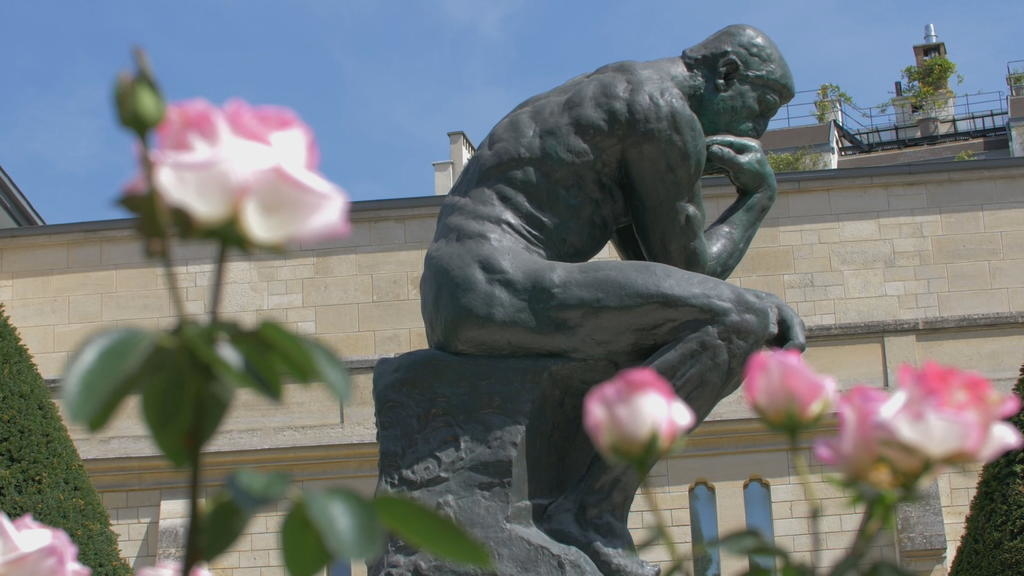
His figures capture the most universal of human emotions – passion, contemplation, despair. Auguste Rodin is known as the father of modern sculpture, an artist who managed to convey the drama of life in stone and in bronze. His talent and monumental works have been celebrated for a century now at the Rodin Museum in Paris. FRANCE 24 brings you a special programme on Rodin’s artistic legacy.
Grâce à de nombreux prêts, le musée d’Orsay propose une rétrospective exceptionnelle de Berthe Morisot, un des grands noms de l’impressionnisme
Berthe Morisot (1841-1895) is not a dilettante painter, who would have exercised her talent as a bourgeois woman educated in the arts, in the shadow of Manet, Renoir and Monet, but a true professional painter, a founding figure of the Impressionism which exercised an art full of daring and modernity: this is shown by an exceptional exhibition at the Musée d’Orsay , which had never devoted a retrospective to him.
This is an event because of the 75 or so works collected at the Musée d’Orsay, half (37) come from private collections, only a dozen from French museums, the others are lent by foreign museums. Indeed, French public collections have been slow to take Berthe Morisot seriously and have very few of his works, while collectors and American museums have quickly bought his paintings. The exhibition shows paintings that have never been seen in France for decades.
Self portrait
Berthe Morisot was born in Bourges in 1841 into a bourgeois family (her father, then, is prefect). Her future wife and mother at home are all drawn. But his mother, open to the arts, teaches music and painting to her three daughters. It is not a career, but the two younger girls, Berthe and Edma, show a talent that leads them from a particular course to a certain Geoffroy Alphonse Chocarne to the Louvre where they copy the classics, from 1858. There they meet Henri Fantin-Latour, before meeting Corot.
In the beautiful show inspired by Lewis Carroll to Macha Makeïeff, she is the voice. The one that guides all the others. The singer of the Moriarty group is also a little actress, a nasty queen of hearts wrapped in a red coat. She tells “Télérama” how easy it is to navigate the whimsical and crazy world of the nineteenth-century English writer..
They’ll make your mouth water. They’ll make your passport come home from the club with a few new stamps on it. They’ll make you set out on a three month quest for the perfect red lipstick. They might not all be French, but they’re the best YouTube channels for all your French fixes.
Vanessa Grall isn’t French, but she probably knows more about Paris than most Parisians do. Grall’s channel, Messy Nessy Chic, goes down the rabbit hole and keeps digging, sidestepping tourist traps and mediocre guidebooks to find some truly unique experiences, both in Paris and elsewhere. Her book Don’t Be A Tourist In Paris (and its brand new companion Don’t Be A Tourist In New York) can be found wherever books are sold.
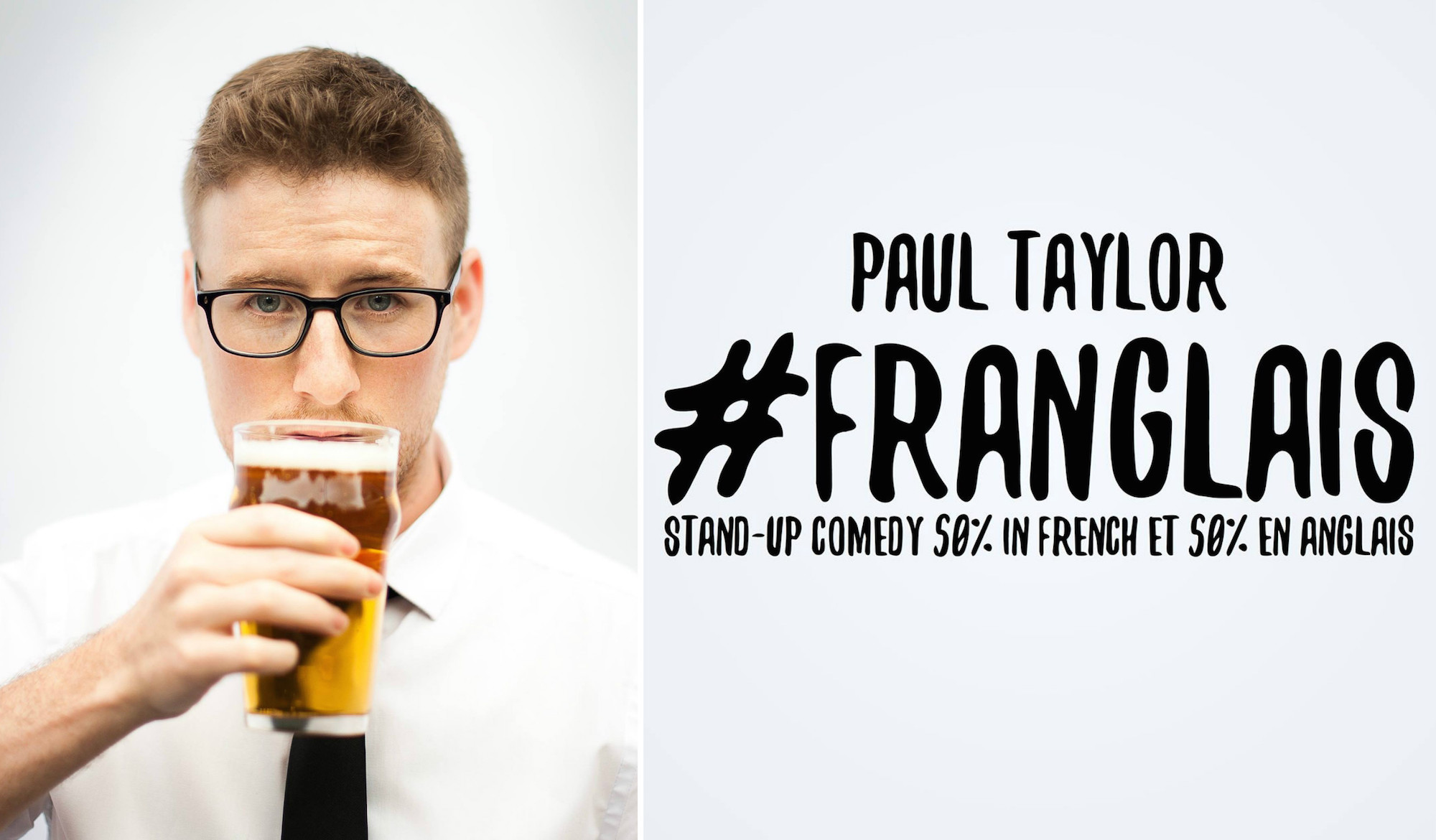
British comedian Paul Taylor is here to ask the questions everyone else is too afraid to ask. Namely, “What the f*** France?” Taylor’s signature brand of irreverent humor takes his adopted country as its main target. Why are French workers always on strike? Why do cafe terrasses actually suck? And why should you never see an English movie dubbed into French? Rest assured, you’ll have a few ideas by the time you’re done binging his various CANAL+ series. And once you’ve finished What’s Up France? and Stéréotrip, you can also mine Taylor’s vlog and standup routines for extra goodies.
Beauty: Violette
Violette is everything: a celebrity makeup artist, new mom, and Global Beauty Director for Estée Lauder. Though her YouTube channel began primarily as a platform to showcase new Estée Lauder products through charming, intimate makeup tutorials, her content has expanded over time to include videos on fashion, hair, and healthy living. Part of Violette’s charm is that she uses herself as a guinea pig before promoting any products on her channel, so all the products are fully vetted before they go up. She’s the French beauty guru you’ve been waiting for, and you won’t regret the tutorial binge you’ll wake up from three days from now.
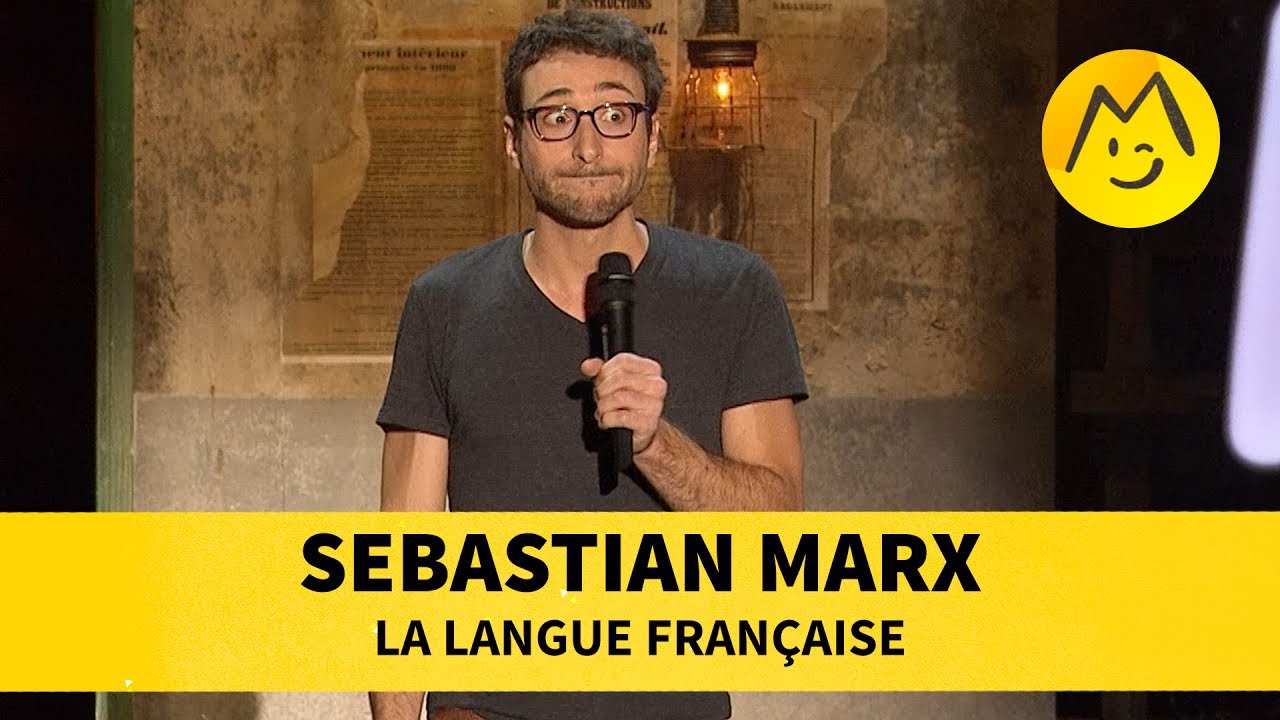
American comic Sebastian Marx is here to remind us that you can memorize all the words you want, but it’s not the same thing as understanding a language. The transplant to France joined up with Topito to produce the series, La langue française expliquée par un Américain, where Marx explores the subtleties (and outright absurdities) of the French language. In the first video alone, you’ll learn the eight thousand different meanings that can be configured from the two-word, two-syllable expression of greeting: “Ça va.” If your head’s not already spinning, just know that it only gets worse (and more hilarious) from here




 Pas De Merde