
Tag: vin
How to order French wine, according to a sommelier
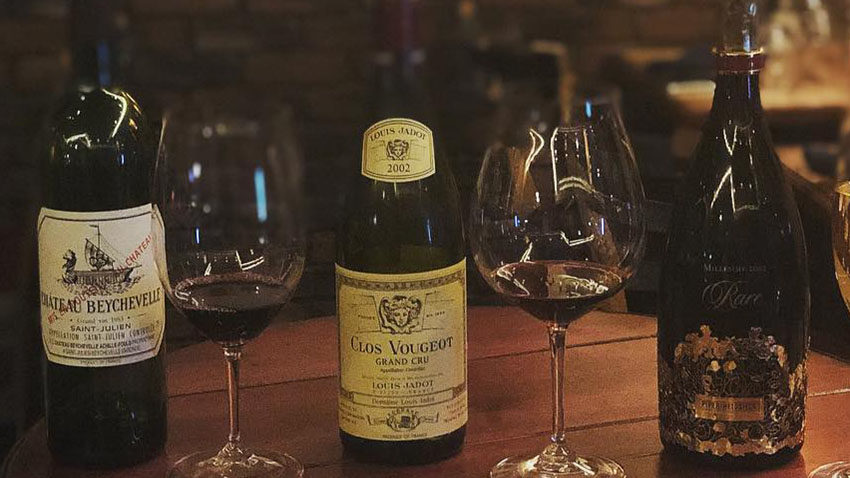
A wine from Burgundy, Bordeaux, or the Loire Valley is a great place to start.
Nathan Derri is the sommelier at the newly opened 1855 Bar à Vins in the Back Bay, so he has a very strong handle on French wines. If you don’t, don’t sweat it, he said.
That said, if you feel like you need a little help ordering a bottle of French wine, Derri offered the following tips.
Get to know French wine labels
1855 Bar à Vins has more than 350 bottles of French wine on the menu — that’s a lot of vins! But once you understand French wine labels, it becomes easier to find the type of wine you enjoy, Derri said.
“I can see how French wine can be intimidating, but it’s not,” Derri said. “You just need to pop that cork, sit down, Continue reading “How to order French wine, according to a sommelier “
Berger on wine: There’s much to love about Rhône Valley wines
Dan Berger writes about the wines of the Rhône region of southern France, which have long flown under the radar.
Of all the French wine regions that are widely considered iconic, perhaps the least acclaimed is the southern French district known as the Rhône Valley.
The name Chateauneuf-du-Pape in the south (literally “new home of the pope”) comes from the roughly 70-year period when political and ecclesiastical conflicts caused the papacy to be based not in Rome but in Avignon, France. The reds can be utterly sublime.
Bordeaux, Burgundy, Champagne, Alsace and the Loire Valley all have supporters, with the first three attaining near mythic status and lots attention on the world wine stage. Most of the wines from this trio of regions today command high prices. Continue reading “Berger on wine: There’s much to love about Rhône Valley wines”
France Maintains its Wine Crown

A Wine-Searcher presentation in Paris has good news for French exporters. Read the latest wine news & features on wine-searcher
Data from Wine-Searcher’s comprehensive database presented at the Wine Paris exhibition in France last night showed that rumours of French wine’s demise at the hands of New World competitors are greatly exaggerated, advertising and key accounts manager Nicholas Oakes told his audience of mostly French wine professionals.
In the 12 months to January 31, 2019, French wines accounted for 31 percent of all 4,179,908 bottle-size wine offers listed on Wine-Searcher, a number that has remained remarkably steady across the past five years. Of the more than 156 million wine searches made by users in the same time frame, almost 75m, or 48 percent, were looking for French wines.
The largest market for French wine is the US; this is a result of Wine-Searcher listing more offers from the US than from anywhere else. Despite the level of loyalty to the domestic industry in the US, French wines account for 426,537 offers, or 22 percent of the total listed in the US. By comparison, its next market is its home country, where there are relatively few offers – 212,271 – but French listings make up 92 percent of the total. The next largest markets in terms of wines on offer are Hong Kong, the United Kingdom, Germany and Switzerland. [ . . . ]
Read More at WINE SEARCHER : France Maintains its Wine Crown | Wine-Searcher News & Features
What Really Happens as Wine Ages?
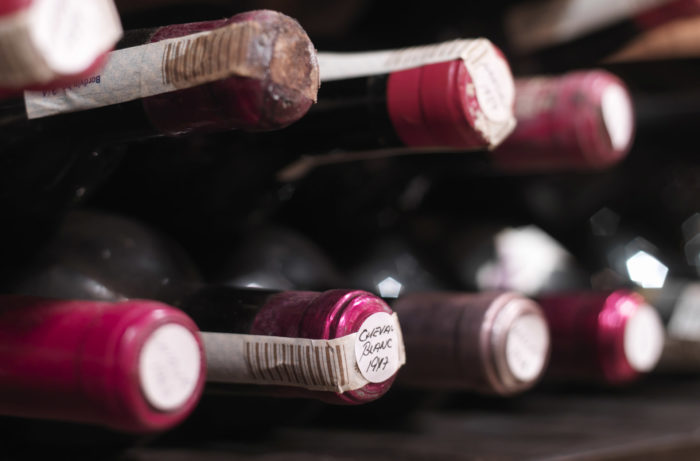
Most wines sold in the U.S. are made for immediate consumption without the need for cellaring. Some wine lovers, however, prefer to “lay wine down,”—or store bottles for a few years in order to enjoy them when the flavors have evolved.So what happens as wine ages, and how do its flavors change? Which wines should be aged? And, most importantly, why do we age wines at all? Here’s what you need to know.
What happens to wine’s flavor as it ages?
When wines are young, we taste their primary flavors, like grassiness in Sauvignon Blanc, plum in Merlot, apricot in Viognier or citrus in Riesling. We may also notice some secondary notes associated with winemaking techniques, like the vanilla flavor of oak or buttery nuances from malolactic fermentation.When wines age, we start speaking about tertiary notes, or flavors that come from development. This could mean young, bold notions of fresh fruit that become gradually more subdued and reminiscent of dried fruit. Other flavors, previously hidden by bold primary notes, come to the fore, like honey, herbal notes, hay, mushroom, stone and earth.
What causes these changes?
in wine is ever static. Acids and alcohols react to form new compounds. Other compounds can dissolve, only to combine again in another fashion. These processes happen constantly and at different rates. Every time you open a bottle, you catch the wine at another stage in its development, with new and different nuances. While the proportion of alcohol, acids and sugars stay the same, the flavors continue to change.

How texture develops in wine
Texturally, the wines also change. Dry, aged white wines can become almost viscous and oily, while reds tend to feel smoother. This is due to phenolic compounds like tannins falling out as sediment over time [ . . . ]
Continue at WINE ENTHUSIAST: What Really Happens as Wine Ages? | Wine Enthusiast Magazine
Why Old World French Winemakers are Choosing to Grow in Napa Valley
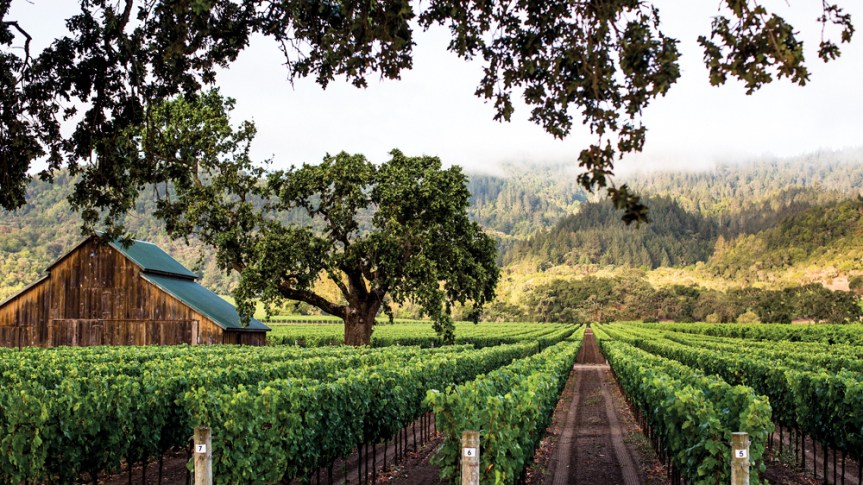 The trend of French winemakers relocating to the New World – why Napa is their new home, and what it means for the future of wine.
Drill down into a vintner’s experience these days and you’ll find an internship in Bordeaux, a harvest in Australia, a year in Argentina, a progressive stint in California. The movement of winemakers around the globe resembles nothing so much as an in-flight magazine’s map of airline routes.
One path, though, has become more heavily grooved in recent years. More and more winemakers (many representing major houses back home) are traveling on a one-way ticket—from France to the West Coast of the United States. It’s a commitment to concentrate on land lesser known than the great domaines and châteaux of Burgundy or Bordeaux; to raise families an ocean and a continent apart from grandparents; and to risk entire careers on early promise and a hunch [ . . . ]
Continue Reading at ROBB REPORT: Why Old World French Winemakers are Choosing to Grow in Napa Valley – Robb Report
 Pas De Merde