What Really Happens as Wine Ages?

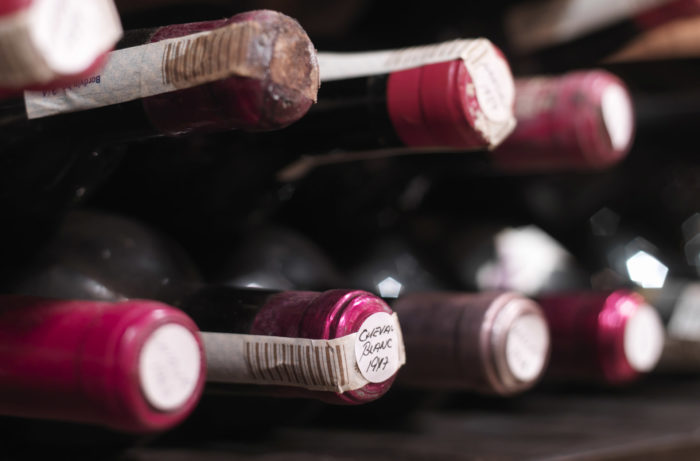
Most wines sold in the U.S. are made for immediate consumption without the need for cellaring. Some wine lovers, however, prefer to “lay wine down,”—or store bottles for a few years in order to enjoy them when the flavors have evolved.So what happens as wine ages, and how do its flavors change? Which wines should be aged? And, most importantly, why do we age wines at all? Here’s what you need to know.

What happens to wine’s flavor as it ages?

When wines are young, we taste their primary flavors, like grassiness in Sauvignon Blanc, plum in Merlot, apricot in Viognier or citrus in Riesling. We may also notice some secondary notes associated with winemaking techniques, like the vanilla flavor of oak or buttery nuances from malolactic fermentation.When wines age, we start speaking about tertiary notes, or flavors that come from development. This could mean young, bold notions of fresh fruit that become gradually more subdued and reminiscent of dried fruit. Other flavors, previously hidden by bold primary notes, come to the fore, like honey, herbal notes, hay, mushroom, stone and earth.

What causes these changes?

in wine is ever static. Acids and alcohols react to form new compounds. Other compounds can dissolve, only to combine again in another fashion. These processes happen constantly and at different rates. Every time you open a bottle, you catch the wine at another stage in its development, with new and different nuances. While the proportion of alcohol, acids and sugars stay the same, the flavors continue to change.

Red wine colors from young to old: Ruby, brick, tanned leather. White wine colors from young to old: Lemon/pale green, gold, amber

How texture develops in wine

Texturally, the wines also change. Dry, aged white wines can become almost viscous and oily, while reds tend to feel smoother. This is due to phenolic compounds like tannins falling out as sediment over time [ . . . ]

Continue at WINE ENTHUSIAST: What Really Happens as Wine Ages? | Wine Enthusiast Magazine
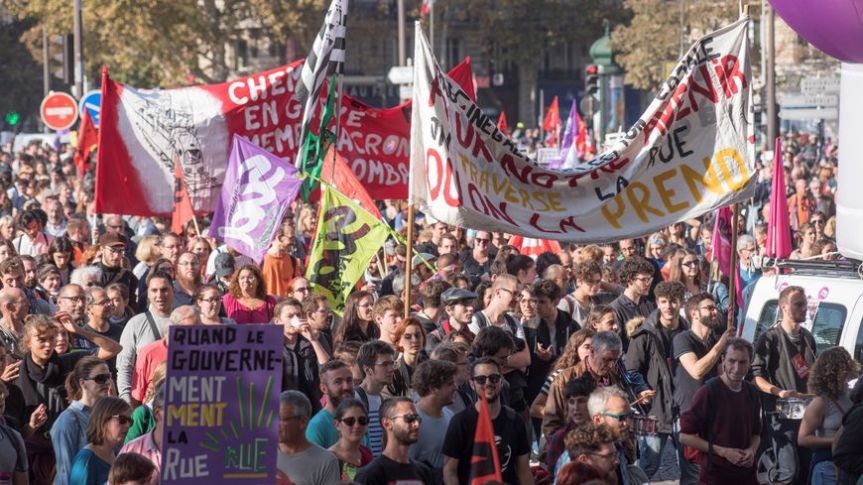
Day of interprofessional mobilization: demonstrations everywhere in France

Several unions had called the French to mobilize everywhere in France on Tuesday, against the social policy of the government. Nearly 300,000 people demonstrated in several regions of France according to the CGT. Some universities have been blocked [ . . . ]

Source: Interprofessional mobilization day: events all over France

Farmers in French Pyrenees try to scare bears to Spain

Farmers and hunters in the French Pyrenees have attempted to move two female bears towards the Spanish side of the border using “scare tactics”.

According to reports, this weekend around 100 shepherds, farmers, hunters, and local government members from the Ossau valley, the Hautes-Pyrénées, and the surrounding areas, met up in the mountains in an attempt to move away two female brown bears that had just been released.

The gendarmerie confirmed that “some” farmers, hunters and ministers “had started a battle of scare tactics in the Pyrénées-Atlantiques” [ . . . ]

Source: Farmers in French Pyrenees try to scare bears to Spain

Les temps de la fin (avant la fin des temps)


Every day brings a lot of alarming news about the planet, always darkening our horizon. Never have we been so informed about the inevitability and imminence of what is looming: the end of the world, nothing less. And yet? We know and yet we can not really believe it. In a brief and dense essay, Pierre-Henri Castel think lucidly the new situation in which we find ourselves, the time of the end that open, prologue to the end of time. He will be joined in the second part, the writer David Diop, author of the literary season Brother Soul, a novel seized with the question of evil through the figure of a Senegalese soldier plunged into madness trenches WWI.

Listen at: Les temps de la fin (avant la fin des temps)