
40 Ways to Spot an American Abroad

When you’re walking down the street in your hometown, how easy is it to notice someone that’s not from there? While it can be a little tough when you live in a smaller town, larger towns are pretty dang easy. Sometimes, they’re wearing a big backpack or a Camelback water bottle. Sometimes, it’s as easy as walking near them and hearing their accents. Depending on where you live, they may be speaking another language entirely! Naturally, that makes it even more obvious that they’re not from your city.
With that being said, we Americans are the same way. If you’ve talked to someone from another country, they’ll almost always tell you that it’s easy to spot an American abroad. It’s not our fault that we’re proud of who we are! We think we’re pretty awesome. Across the globe, not everyone will agree with that sentiment, however. Our culture makes it obvious who we are, just like many other countries out there.
If you’re the type that doesn’t want to stick out like a sore thumb, we made a list of a few things to try and avoid. They’re stereotypical aspects of an average American traveler that make someone realize instantly who we are and where we’re from.
Before we get started, we want to say that we’re not saying there’s anything wrong with being American. We have a lot to be proud of in our beautiful country, but that doesn’t mean we don’t have our fair share of eccentricities and oddities that can rub other cultures the wrong way. Every culture is different, after all! When you’re visiting somewhere else, it’s always better to abide by their customs. In fact, it’s highly encouraged to make your trip even better. Here are 40 sure-fire ways that other people spot an American abroad!
See slideshow at: 40 Ways to Spot an American Abroad
Auguste Rodin, the father of modern sculpture
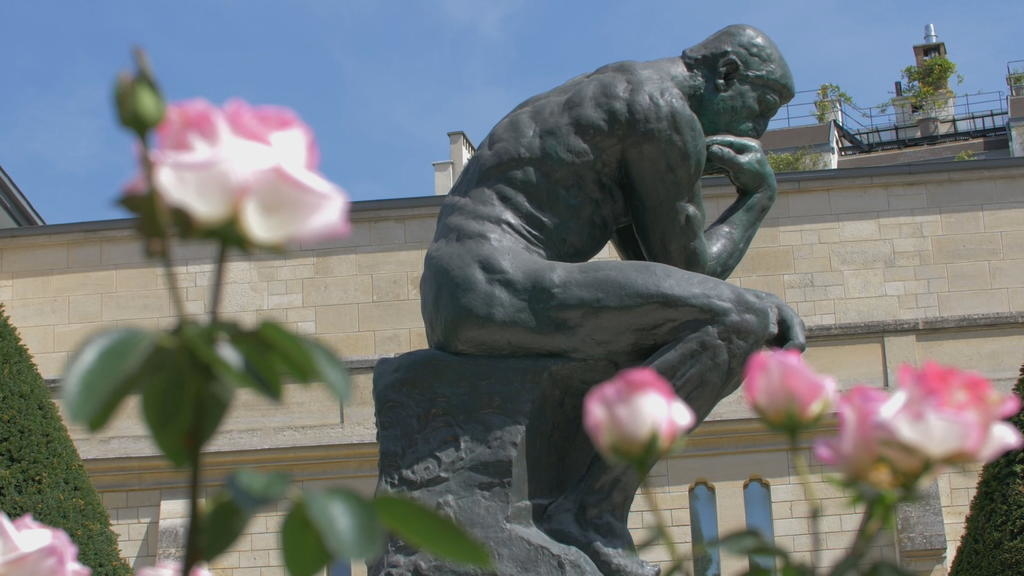
His figures capture the most universal of human emotions – passion, contemplation, despair. Auguste Rodin is known as the father of modern sculpture, an artist who managed to convey the drama of life in stone and in bronze. His talent and monumental works have been celebrated for a century now at the Rodin Museum in Paris. FRANCE 24 brings you a special programme on Rodin’s artistic legacy.
Watch at: Encore! – Special programme: Auguste Rodin, the father of modern sculpture
How to Taste Wine Like a Pro in Three Easy Steps

Just taking a sip is not the right way to taste wine. Fortunately, learning the process to taste wine doesn’t take too long.
1. Appearance
First, you hold your glass by the stem, not up around the top as you can often see in movies and TV series about wine. Look at everything: the appearance of the wine, which must be brilliant and clear; the color, whose depth, intensity and nuances give information about the grape variety or varieties, and its evolution which indicates the possible age of the wine. For example, for a red wine with an earthy red color, you would call it “brick,” which indicates that you are dealing with a rather old wine. The same goes for a white the color of old gold.
2. Smell
The next step is to bring out the aromas, rotate the glass a little. Professionals do it with their arms in the air, but a neophyte risks spilling and staining their clothes. Let your arms rest on the table and create a circular movement that will “shake” the wine and allow it to release aromas.
Using your nose, you can perceive any defects: the smell of cork or sometimes something musty, toasted. This is probably what is called reduction, as opposed to oxidation. This is a sign that the wine needs air; a decanter should help free it. The aromas must be clear and expressive. They could be primary and reminiscent of fresh fruit, with hints of vanilla, characteristic of barrel aging, or more or less evolved, attesting to a long stay in the cellar.
3. Flavor
Finally, it is in the mouth that you get a definitive idea of the wine by perceiving, through feedback, the heaviest aromas, and by tasting the flavors. The acidity, sweetness and bitterness (which attest to, among other things, the presence of tannins) constitute the body of the wine. What you’re looking for is an attractive harmony, an equilibrium, and above all, the answer to the only question that is worth asking: do I like this wine?
This article was first published on Le Point
Source: How to Taste Wine Like a Pro in Three Easy Steps – Frenchly
France in focus – The other D-Day: 1944 Provence landings

This week, France in Focus heads to the southern port city of Toulon, which is home to the French Navy’s main base. It was here on August 15, 1944, that the Allied invasion of southern France began. We take a closer look at just what happened and explore the various efforts being made today, 75 years later, to ensure the memory of those events lives on.
Source: France in focus – The other D-Day: 1944 Provence landings
 Pas De Merde