August Is When Uptight Paris Unbuttons a Few More Buttons

The French capital empties out in August, but still has energy—just a different sort.

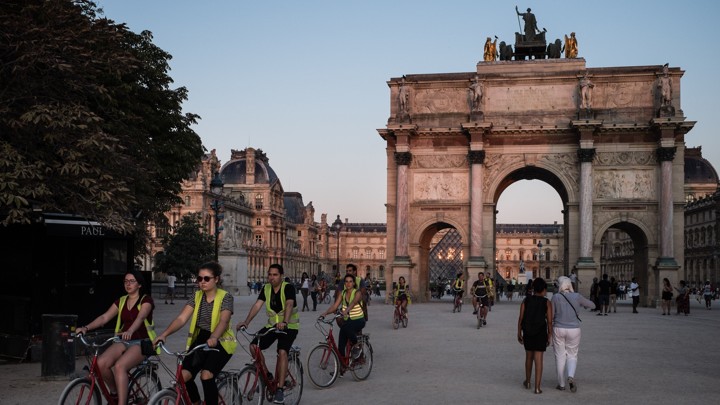
August in Paris is over, and I miss it already. The deadest month, the most quiet, the month when Parisians leave on their endless holidays and the city empties out like a resort in the off season, only less melancholy. Traffic thins; shops close, sometimes for the entire month; restaurants shut; there are seats to be found on the metro; and in the evening, stragglers (not everyone can afford to go away) emerge from their stuffy, un-air-conditioned apartments and gather along the banks of the Seine.

In August, this uptight city unbuttons a few more buttons.

One warm evening, I walked a good stretch of riverfront promenade, and the scene was joyous. Families out for a walk; kids climbing on climbing walls; couples embracing; friends at picnic tables eating from Tupperware; tourists taking pictures of wounded Notre-Dame, without her spire, encased in scaffolding; South Asian men selling bottles of beer and chilled rosé from backpacks—“Du vin, madame?”—people of all ages and colors dancing with abandon to Michael Jackson’s Thriller on a makeshift dance floor near the Pont Neuf, like wild teenagers letting it loose while their parents are out of town.

The bakery near my apartment was closed for the first three weeks of August. Three weeks! For a while, when I looked out my apartment windows in the evenings, nary a light was on in the building across the street. Even Google knows it is August in Paris. Gmail recently offered some canned responses to an invitation I’d received. Its options: “I’ll be there!” “I’ll come!” and “I’m on vacation!” I managed to get a table, without waiting, at one of the best restaurants in Paris

The French government shuts down in August, too. It is not uncommon for high-level officials with sensitive dossiers in important ministries to take three or four weeks off, without checking email. The entire country operates on what’s basically an academic schedule. In May and June, people start making appointments for after the rentrée—that is, September. Employees have seven weeks of paid holiday time (albeit with lower pay than their counterparts elsewhere).

Continue reading “August Is When Uptight Paris Unbuttons a Few More Buttons”

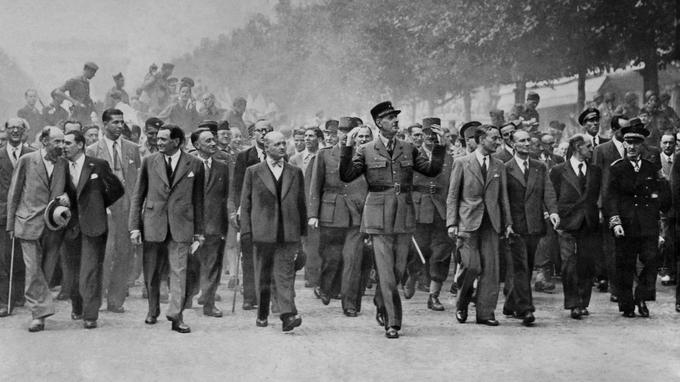
August 25, 1944, the liberation of Paris: “the greatest day since the storming of the Bastille” 

75 years ago, the capital was finally free from the German yoke. This historic day will remain, in the eyes of the whole world, the symbol of the renewal of France and democracy.

“There are minutes there, we all feel it, which exceed each of our poor lives.” This August 25, 1944, late afternoon, the atmosphere is solemn at the City Hall of Paris. General de Gaulle, who has just arrived suddenly in this high place of republican declarations, is received by the communist Georges Marrane, on behalf of the Paris committee of the Liberation, and by the Catholic Georges Bidault, president of the National Council of the Resistance (CNR), the successor of Jean Moulin. Paris has just been released in the middle of the afternoon from the Nazi yoke. Everything was done in haste. [ . . . ]

Continue at: August 25, 1944, the liberation of Paris: “the greatest day since the storming of the Bastille” 

40 Ways to Spot an American Abroad

When you’re walking down the street in your hometown, how easy is it to notice someone that’s not from there? While it can be a little tough when you live in a smaller town, larger towns are pretty dang easy. Sometimes, they’re wearing a big backpack or a Camelback water bottle. Sometimes, it’s as easy as walking near them and hearing their accents. Depending on where you live, they may be speaking another language entirely! Naturally, that makes it even more obvious that they’re not from your city.

With that being said, we Americans are the same way. If you’ve talked to someone from another country, they’ll almost always tell you that it’s easy to spot an American abroad. It’s not our fault that we’re proud of who we are! We think we’re pretty awesome. Across the globe, not everyone will agree with that sentiment, however. Our culture makes it obvious who we are, just like many other countries out there.

If you’re the type that doesn’t want to stick out like a sore thumb, we made a list of a few things to try and avoid. They’re stereotypical aspects of an average American traveler that make someone realize instantly who we are and where we’re from.

Before we get started, we want to say that we’re not saying there’s anything wrong with being American. We have a lot to be proud of in our beautiful country, but that doesn’t mean we don’t have our fair share of eccentricities and oddities that can rub other cultures the wrong way. Every culture is different, after all! When you’re visiting somewhere else, it’s always better to abide by their customs. In fact, it’s highly encouraged to make your trip even better. Here are 40 sure-fire ways that other people spot an American abroad!

See slideshow at: 40 Ways to Spot an American Abroad

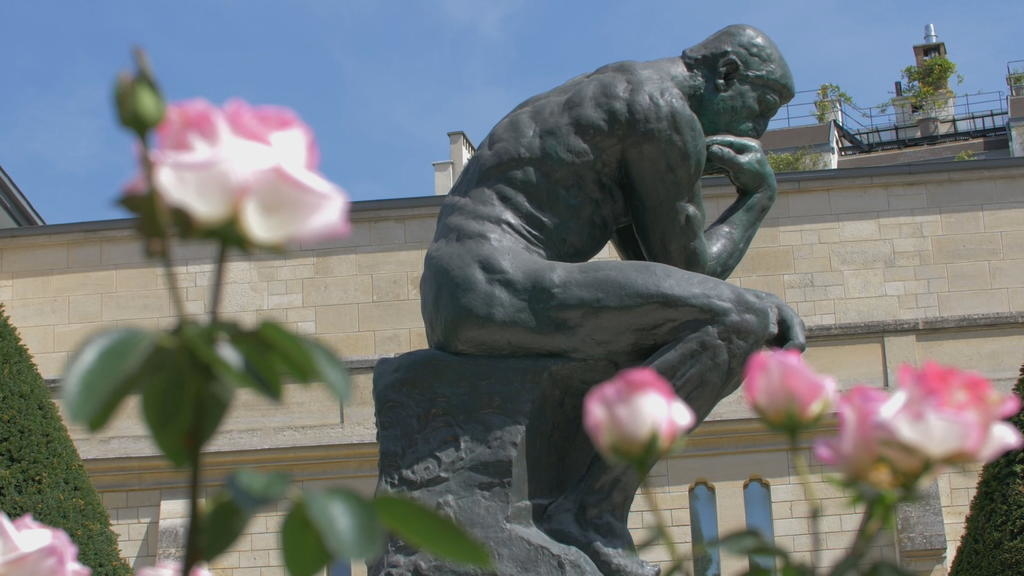
Auguste Rodin, the father of modern sculpture

His figures capture the most universal of human emotions – passion, contemplation, despair. Auguste Rodin is known as the father of modern sculpture, an artist who managed to convey the drama of life in stone and in bronze. His talent and monumental works have been celebrated for a century now at the Rodin Museum in Paris. FRANCE 24 brings you a special programme on Rodin’s artistic legacy.

Watch at: Encore! – Special programme: Auguste Rodin, the father of modern sculpture