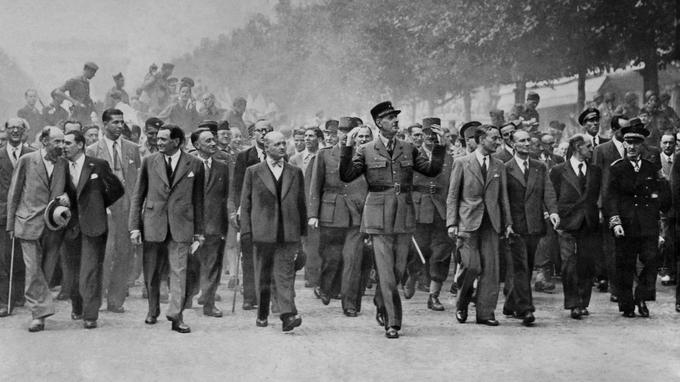
August 25, 1944, the liberation of Paris: “the greatest day since the storming of the Bastille” 

75 years ago, the capital was finally free from the German yoke. This historic day will remain, in the eyes of the whole world, the symbol of the renewal of France and democracy.

“There are minutes there, we all feel it, which exceed each of our poor lives.” This August 25, 1944, late afternoon, the atmosphere is solemn at the City Hall of Paris. General de Gaulle, who has just arrived suddenly in this high place of republican declarations, is received by the communist Georges Marrane, on behalf of the Paris committee of the Liberation, and by the Catholic Georges Bidault, president of the National Council of the Resistance (CNR), the successor of Jean Moulin. Paris has just been released in the middle of the afternoon from the Nazi yoke. Everything was done in haste. [ . . . ]

Continue at: August 25, 1944, the liberation of Paris: “the greatest day since the storming of the Bastille” 

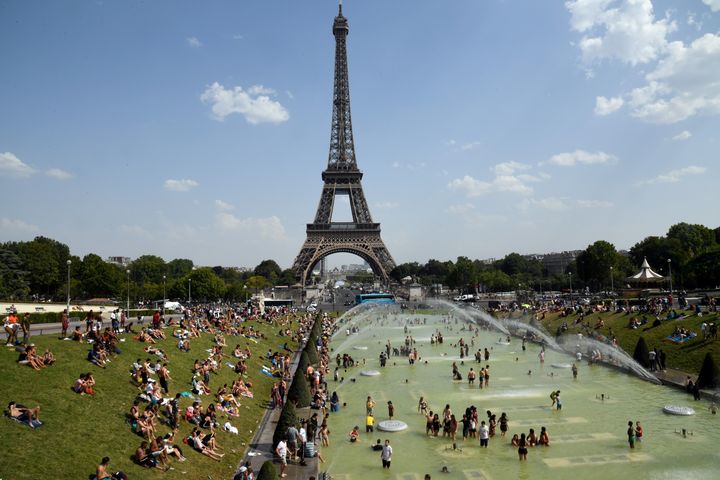
Paris Hits Sweltering New Heat Record

The Paris area hit 108.3 degrees Fahrenheit, beating the previous record of 104.8 F set in 1947.

PARIS (AP) — Record temperatures are being set across Europe, including Paris, as the continent swelters Thursday in what is its second heat wave this summer.

Climate scientists warn this could become the new normal in many parts of the world. But temperate Europe — where air conditioning is rare — isn’t equipped for the temperatures frying the region this week.

Source: Paris Hits Sweltering New Heat Record | HuffPost

Can The French Still Afford To Eat Their Own Food?

Aside from wine sales, the French agricultural sector is struggling to compete with cheaper, more intensively-farmed goods from overseas—are French people finding it difficult to buy French food?

France is incredibly protective of its agricultural sector—it has been the sticking point between France and the U.S. in the negotiation of their new trade agreement, the Transatlantic Trade and Investment Partnership (TTIP).  President Donald Trump has been threatening to increase tariffs on French food as a result of France not agreeing to include the agricultural sector in the trading agreements (France wants only non-auto “industrial goods” included and specifically not meat, fruit or wine).

Part of the problem is that France is resistant to allowing food to be mass-produced or intensively farmed; it wants to preserve the traditional ways of farming, of which it is proud. This means though, that food is much cheaper when it is produced by farmers in other European countries who don’t adhere to as strict agricultural standards as the French.

Christiane Lambert, chairwoman of the French Farmers’ Union reported in The Times, that President Emmanuel Macron’s approach to agriculture was pricing French food out of the market. “He told us to go upmarket but in the first six months of this year we imported a lot more poultry from Poland and Germany because it is cheaper,” she said. It has come to the point when French people cannot afford to buy their own food.

The deficit to the French economy is about €300 million, but many believe it’s a worrying sign and a marker of the health of the agricultural sector in general—even French cheese is suffering as consumers are increasingly turning to cheese from Ireland or the Netherlands (the growth appears to be in more “industrially-produced” cheeses for pizza toppings).

The only part of the food and drinks sector which is buoyant is the alcohol industry, where sales of wine and cognac are still far outselling imports, notably due to a huge increase of sales in the U.S and China of French wine. The French government reported in May that this success might be masking a more dire warning for the French agricultural sector in general.

Source FORBES: Can The French Still Afford To Eat Their Own Food?

Protesters, police clash around Paris’s Champs-Élysées after Bastille Day parade

French police fired tear gas to disperse protesters from Paris’s Champs Elysees avenue on Sunday, a few hours after President Emmanuel Macron had reviewed the traditional Bastille Day military parade alongside other European leaders.

Continue at FRANCE24: Protesters, police clash around Paris’s Champs-Élysées after Bastille Day parade

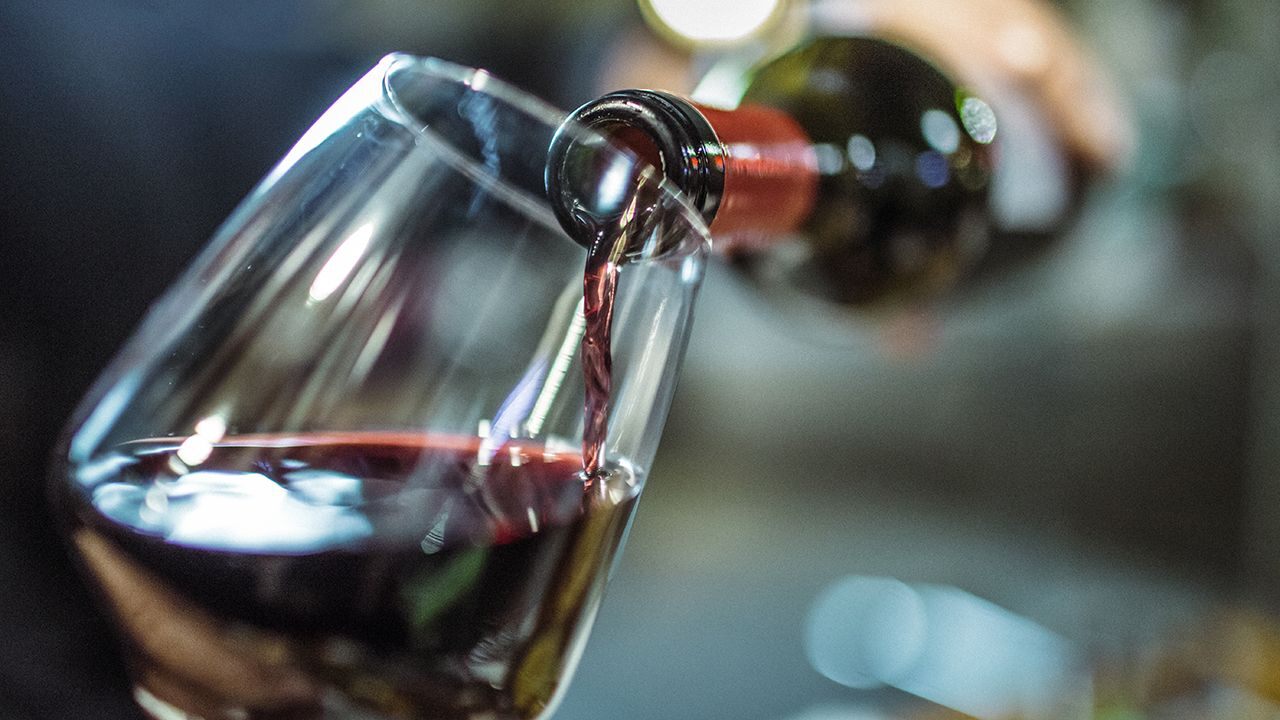
Trump could target French wine with tariffs

That bottle of French wine may be getting more expensive. 

That bottle of French wine may be getting more expensive.

President Trump said Monday that he plans to “do something” about the European Union tariffs imposed on American wine, saying the U.S. pays too much to export wine to France while the U.S. imposed low tariffs to import French wine.

“France charges us a lot for the wine. And yet we charge them very little for French wine,” the president told CNBC.com, adding that California winemakers have complained to him about the EU tariffs.

“So the wineries come to me and say…’Sir, we’re paying a lot of money to put our product into France, and you’re letting’ — meaning, this country is allowing — ‘these French wines, which are great wines, but we have great wines too — allowing it to come in for nothing. It’s not fair,”’ Trump said.

Source: Trump could target French wine with tariffs

Journalist at the time of Yellow Vests

PODCAST. Since the beginning of the Yellow Vest mobilization, several testimonies of journalists insulted or abused by protesters and the police have been shared on social networks. Reportage.


Listen to the 5th episode of Source Code, the Parisian news podcast

.

Source: Journalist at the time of Yellow Vests – Le Parisien