Paris Is Plotting a Greener, Slower Beltway

Paris beltway imagined new
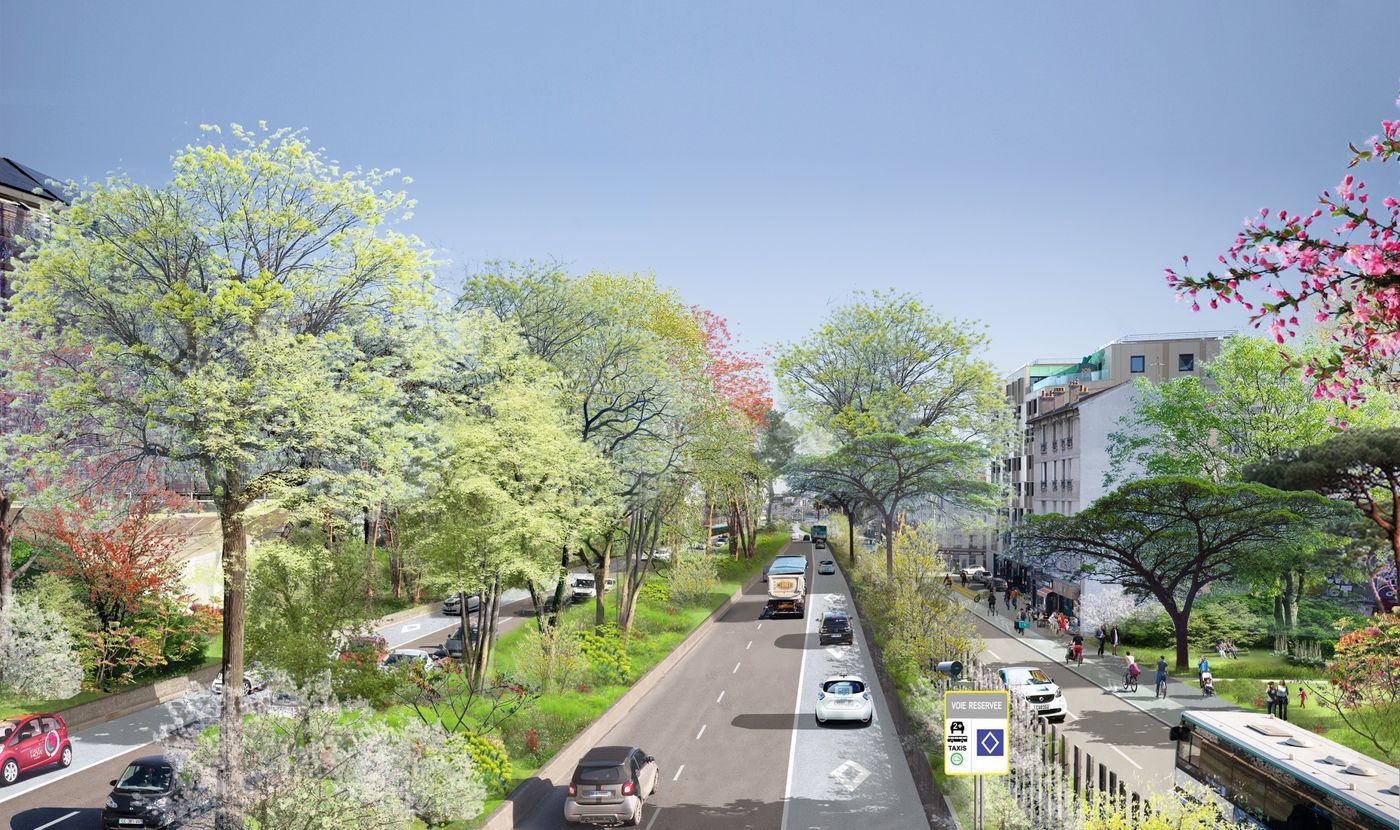
A rendering of the reimagined Paris beltway. (Credit: Céline Orsingher)

Mayor Anne Hidalgo’s reelection manifesto calls for a green revamp of the Boulevard Périphérique, the city’s car-clogged inner ring urban highway.

By Feargus O’Sullivan

Like so many cities, Paris is girdled by beltways — several of them, in fact. The innermost and most notorious one is known as the Boulevard Périphérique,  a 22-mile-long ring road completed in 1973 and built in part upon the footprint of the city’s historic walls. The traffic-clogged urban highway plays a major role in Parisian mobility, but it’s also a prime contributor of pollution, both atmospheric and aural, as well as an all-but-impassable barrier severing the historic city from its inner suburbs. Last year, Paris deputies proposed downsizing the Périphérique, removing vehicle lanes and dropping speed limits to transform the road from a smog-spewing limited-access highway into a tree-lined “metropolitan avenue.”

Continue reading “Paris Is Plotting a Greener, Slower Beltway”

LA VOILOU, LA VOILÀ !!

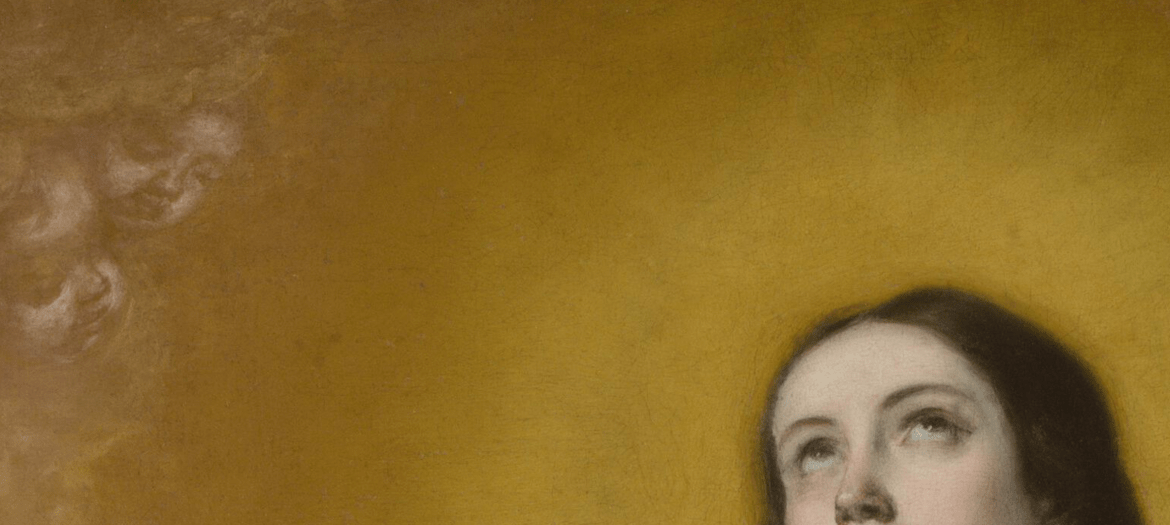
Thanks to two recent developments – the recognition of a miraculous recovery in Lourdes and the new film by Xavier Giannoli -, the Marian apparitions are coming back to the fore. Analysis of a phenomenon as old as Christianity in the chronicle of Alain Cabantous

Almost suddenly, two close facts have been part of our news. On the one hand, the recognition by the Beauvais ordinary of the miraculous healing of Sister Bernadette Moriau, delivered from an incurable illness in July 2008 following a pilgrimage to Lourdes a few months before. On the other, the remarkable release of Xavier Giannoli’s film, The Apparition, where Vincent Lindon plays a talented journalist commissioned by the Vatican to investigate the apparitions of the Virgin in the south-east of France. As if the month of Marie had taken some advance sliding from May to February!

In fact, these two phenomena are apparently fairly commonplace. Since the tenth century, when Mary would have appeared more than 21,000 times, the Roman Church has recognized only fifteen! And, in this area, it was not the 19th century that beat the record despite La Salette (1846), Lourdes (1858) or Pontmain (1871), but the 20th century. From Fatima (1917) to the Medjugorje years (since 1981), there would have been four times more appearances than in the previous century. Between 1945 and 1959, the “Lady of all peoples” appeared fifty-six times to a woman from Amsterdam. Same inflation and same ecclesiastical prudence for miraculous healings. In Lourdes alone, between 1858 and 2018, there were more than 7,300 of which 70 (for two thirds of them before 1914) endorsed by the hierarchy.  Continue reading “LA VOILOU, LA VOILÀ !!”

What Questions Do You Ask At A Wine Tasting?

“Can I have a straw,” “That costs how much,” “Does it come in green” and other important questions along with a few serious ones.

Here are a few questions I would suggest asking if you want to learn more about the wines you’re tasting. But again, please feel free to ask any question that pops into your head. Wine and wine tastings should be fun, not a chore.

DIFFERENT TYPES OF WINE TASTINGS

But before we get to a few suggested questions, I thought it might be important to distinguish between different types of wine tastings. Because where you are – and who you’re with – could make a dramatic difference in the questions you might ask about the wine.

In my experience, there are five types of wine tastings.

1) Wine tasting often hosted by a wine store featuring a wide variety of wines – This is a very common wine tasting, often hosted by many wine stores, sometimes once a week. Hopefully, the person serving the wines knows something about them. But that might not always be the case. If so, trust your own instincts and your taste buds.

2) Wine tasting often hosted by a wine store featuring on particular type of wine – A slightly less common wine tasting, but one that can be fascinating to discover the subtle differences between different wines from the same wine region. Here, the people serving these wines often know a fair bit about them. Ask them questions. I’m sure they’ll love to talk about wines they’re clearly passionate about.

3) Wine tasting at a winery – This is a great way to learn about wine, especially if the wine maker is there to talk about their wines. You’ll also get to see where the grapes are grown, which can greatly enhance your understanding of the wine. Definitely ask the people questions, especially the winemaker. Most winemakers love talking about their wines.

4) Wine tasting hosted by a friend – Feel free to ask your friend questions. But please, also remember to have fun. You’re there to enjoy the wines hopefully, not quiz your friend about their wine knowledge.

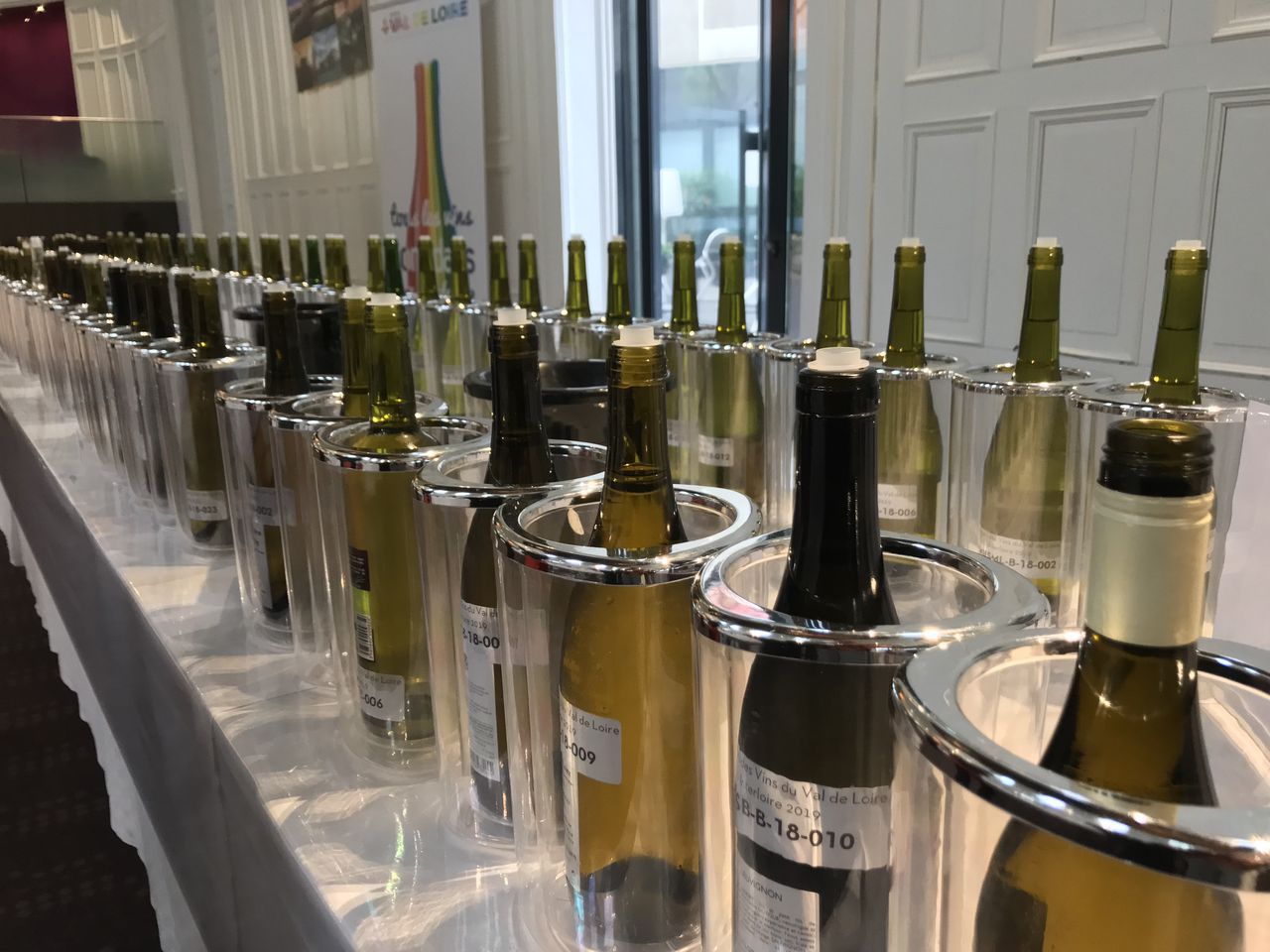
5) Professional wine tasting hosted by a wine association – Imagine hundreds of different wines and only a two or three hours to taste all of them. Be prepared to taste fast, move quickly and often ask questions later. Do the math. If you only have 30 seconds to taste each wine, trust yourself and focus on how the wine tastes.

You can also find more tips on how to tackle a wine tasting in a wine column I wrote last year about this exact subject.

But that’s another topic for another day. Let’s get to the questions.

QUESTIONS TO ASK AT A WINE TASTING

“Where is this wine from?”

This question might not be necessary depending on the type of wine tasting. If you’re at the winery, you obviously know the origin of the wine. But even if you know that the wine is from California or France – or even somewhere more specific like Napa Valley or Burgundy – feel free to dig a little deeper. Ask what part of Napa or Burgundy or even what vineyard the wine’s from there. If the person answering your questions knows a lot about wine, feel free to ask them a few more questions. Continue reading “What Questions Do You Ask At A Wine Tasting?”

How much does a French vineyard cost?

vineyard

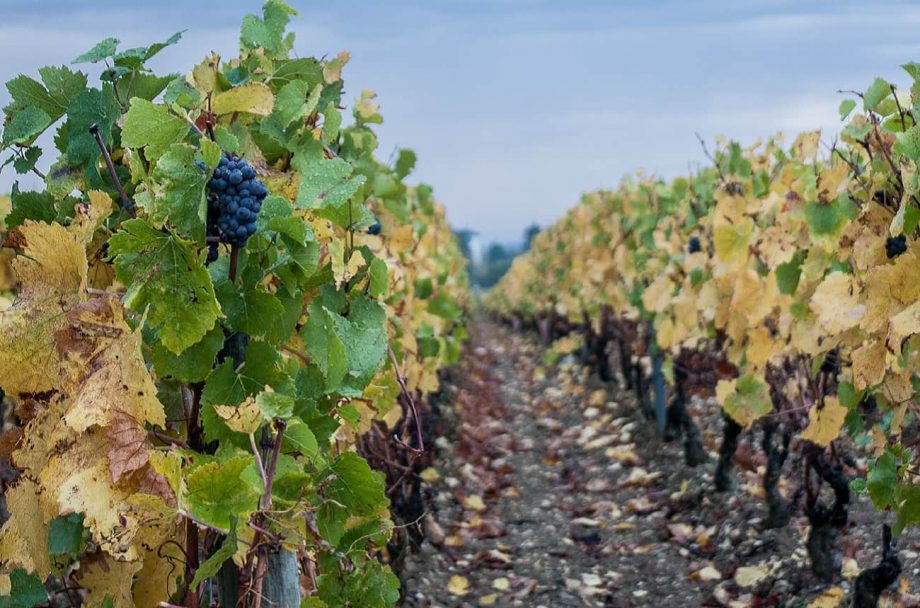
A single hectare of Burgundy grand cru vineyard cost €6.5m euros on average in 2019, which is up by 4% versus 2018, according to French land agency Safer.

That’s if you can find anything to buy, of course; if vines change hands within top Burgundy climats then buyers often deal in values of less than one hectare.

Safer figures show that average prices for Burgundy grand cru vines have risen by 71% since 2012.

If that you think that sounds prohibitive, then some winemakers in the Côte d’Or would likely agree. Safer cited ongoing concerns among producers about rising land costs and the difficulties this poses for wineries within France’s inheritance laws.

Elsewhere in France, it will come as no surprise to see the best-known appellations topping the vineyard price charts.

A single hectare in Bordeaux’s Pauillac appellation cost €2.3m per hectare on average in 2019, up by 5% on 2018, while Pomerol rose by 6% to €1.9m per hectare.

In the Côte des Blancs area of Champagne, vineyards cost a little more than €1.6m per hectare last year, up by 2% versus 2018.

However, there is a huge disparity in vineyard prices in France – as you might expect, given the size of the country’s wine industry.

Across France, appellation controlée (AOP) vineyards cost €148,000 per hectare on average in 2019, up by 0.5% versus 2018, said Safer.

Prices for AOP vineyards have more than doubled since 1997, but some were still well below the average.

A single hectare of Faugères vineyard in Languedoc (now Occitanie) cost €16,000 per hectare on average in 2019, having not changed since 2018.

Prices can vary significantly within some areas for different plots, depending upon their quality potential.

Outside of the AOP zones, French vineyard prices rose by 1.5% on average in 2019, to €14,400 per hectare.

It’s worth noting that buying a vineyard is just one step in a winemaking dream that is likely to involve significant up-front costs in general. Seek professional advice before making any decisions, of course.

Source: How much does a French vineyard cost? – Decanter