
Monsieur Pas De Merde is a huge fan of both the Liminanas and Bertrand Belin, so this recent clip was a real find. Listen and tell me what you think!
Category: Culture
Shame The best Camembert in the world is … Quebecois!
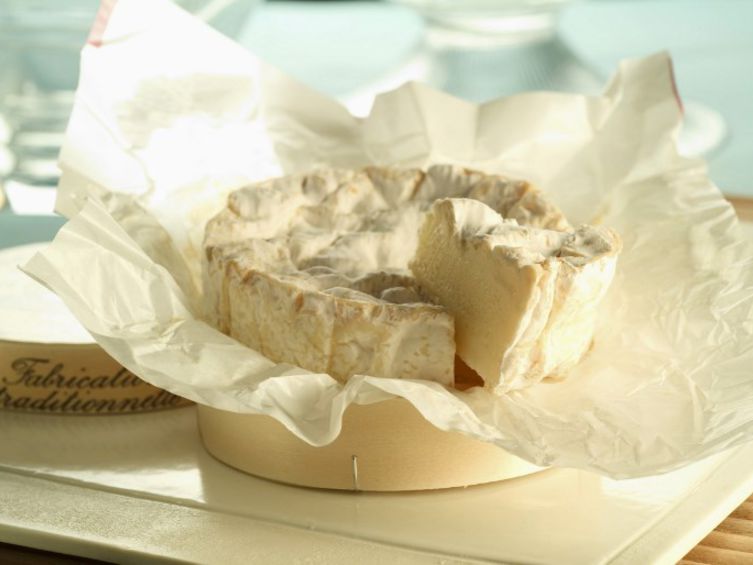
It’s a scandal, a fraud. The jury was bought, necessarily. Or it’s a defeat, shameful and stinging.
[google translation] The World Championship Cheese contest was held March 6-8, in the United States, in the state of Wisconsin. A competition that is appreciated by cheese lovers as much as by dairy professionals, this competition has dedicated the best products in the world. Obviously, the French producers did not miss to be at the rendezvous. They even won a few rewarding medals. But it must be admitted: they have also failed … Yes, yes, almost. By letting another nation of eaters stinking dripping tricks win a category that normally should not escape us, that of camembert [ . . . ]
Read more of this SHAMEFUL story at: Shame The best Camembert in the world is … Quebecois! – Vsd
In Concert: The Limiñanas
Pauline Croze – Ne rien faire (LIVE) Le Grand Studio RTL
Chanson du Jour: Hypernuit
I love this one – Mike
Massive Rhône Valley Wine Fraud Reported by French Authorities
 French anti-fraud authorities allege that a Rhône Valley wine merchant mislabeled more than 5 million cases of table wine as more expensive appellations like Côtes du Rhône and Châteauneuf-du-Pape.
Between October 2013 and June 2016, Raphaël Michel, a bulk-wine merchant in France’s Rhône Valley, allegedly sold the equivalent of 13 Olympic-size swimming pools of cheap French table wine while claiming it was some of the best wine of the Southern Rhône Valley.
Those details and more emerged with the release of the annual report of the DGCCRF (Directorate General for Competition Policy, Consumer Affairs and Fraud Control), France’s powerful anti-fraud agency. While the report does not name Raphaël Michel, the details match precisely with the investigation first reported last July by Wine Spectator. Independent sources confirm that Raphaël Michel is the unnamed company in the report.
According to the DGCCRF report, between 2013 and 2016, the merchant sold around 20 million liters of table wine—the equivalent of 2.23 million cases—as more lucratively priced appellation-level wines including Côtes du Rhône, Côtes du Rhône-Villages and even 108,000 cases of Châteauneuf-du-Pape.
When investigators dug deeper, the scam grew even larger, encompassing even more kinds of wine. “In total, the fraud touched more than 48 million liters of wine,” reads the report. That is the equivalent of 5.33 million cases of fake wine, 15 percent of the Côtes du Rhône production during those years [ . . . ]
Read full story at: WINE SPECTATOR Massive Rhône Valley Wine Fraud Reported by French Authorities | News | News & Features | Wine Spectator

