It’s time to follow Europe.
What France, like virtually all of Europe, has shown is that following standard expert recommendations for dealing with covid-19 works. France had a massive outbreak of covid-19 in the spring, almost as soon as anyone realized the novel coronavirus had reached Europe. The deaths began occurring late March and reached more than 24,000 by the end of April — a higher death rate than even the United States at the time.
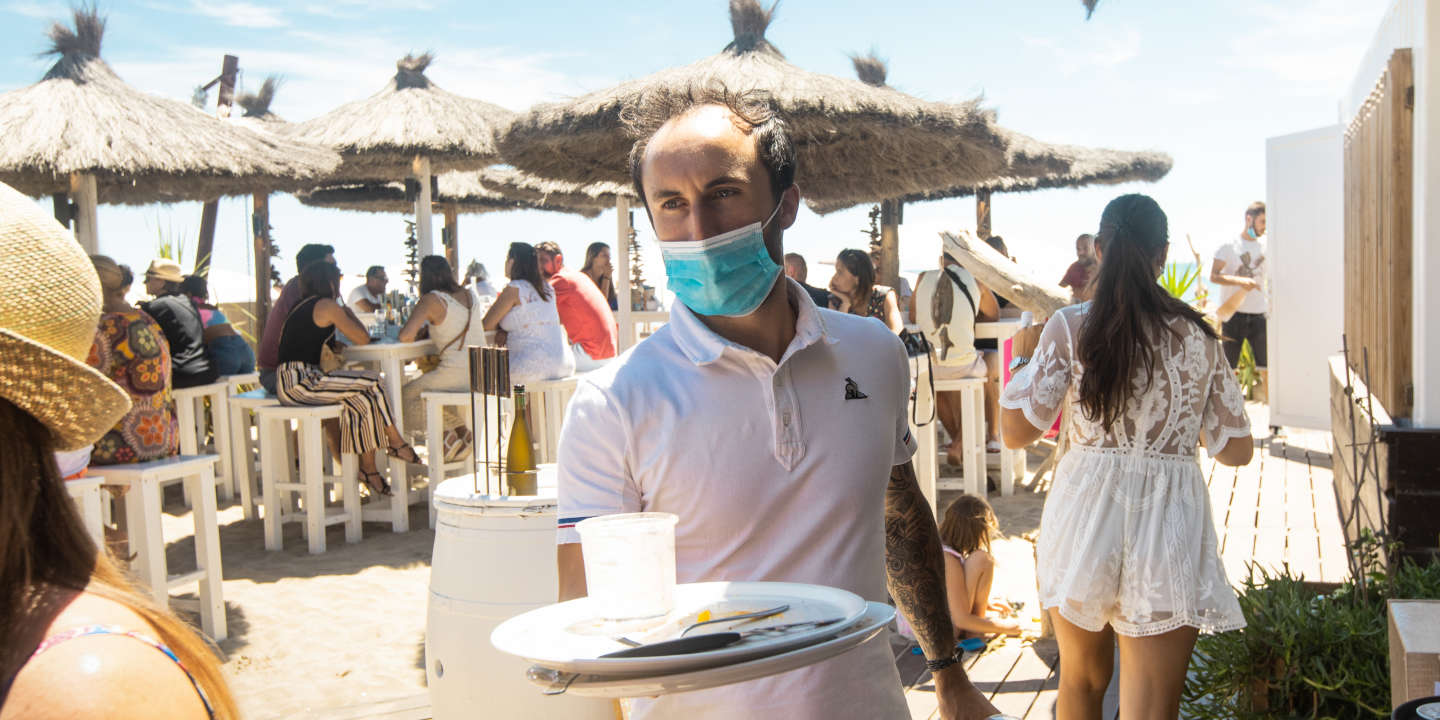
But while the outbreak occurred primarily in only two parts of France, French President Emmanuel Macron imposed a severe, nationwide lockdown on March 16. And during that lockdown, the government put extensive testing and contact tracing in place. Almost exactly two months later, France mostly reopened. And for the last two and a half months, the country has functioned in a primarily open status with around 500 new cases per day and only about 450 deaths in the last month.
The French lockdown was severe. People were only allowed out, after filling out a form, to take care of elderly relatives or to go grocery shopping. To buffer the economic impact, the government directly paid a portion of salaries for those who could not work. And, voila, it worked.
I’m in France because I was farsighted enough to marry a French woman 30 years ago, who was farsighted enough to save our marriage license, which let me fly to France with her in early June to visit her elderly parents even as other Americans are barred. For two weeks, we kept to ourselves, speaking to my in-laws only across a garden. With an easy-to-get doctor’s prescription, we were also able to get tested for covid-19 at a parking lot drive-up with no wait and received (negative) results in two days (now down to one day for others).

 In the Dardenne brothers’ “The Unknown Girl”, Adèle Haenel plays a doctor who investigates a possible murder