
Yves-Marie Bellot “Las Vegas”
Watch Naïssam Jalal Collection in concert at the Martinique Jazz Festival 2019

Franco-Syrian flautist Naïssam Jalal thrills the Martinique Jazz Festival to the sound of her powerful compositions. Originally from Syria, the musician has built her musical universe around her many human and artistic encounters. From rap to contemporary jazz, Naïssam Jalal oscillates between different musical cultures. In 2011, the flautist created her quintet Rhythms of Resistance with which she would tour in France and internationally.
Winner of the Victoires du jazz 2019, her unclassifiable album “Quest of the Invisible” turns to trance and silence: the virtuoso takes us on her spiritual quest. After several projects across France, Syria, Japan, Lebanon , Tunisia, Naïssam Jalal marks the 2019 edition of the Martinique Jazz Festival.
Watch more of the concert at: Jazz Tour Naïssam Jalal Collection in concert at the Martinique Jazz Festival 2019
Lockdown Diary: Why I’m grateful for being on lockdown in Paris
“I’m grateful to be living in France, where there is universal healthcare and where the president has chosen to save human lives over the economy.”
Today, March 25, is the eighth full day of living in true confinement. As of Tuesday, March 17, at noon, the whole country of France has been on lockdown.
It was nearly two weeks ago that President Emmanuel Macron earnestly asked us to stay home, and the Prime Minister Édouard Philippe ordered all non-essential businesses to close at midnight. By March 15, there were whispers on the street that the government would be locking down, with the military and all, because the people here weren’t taking it seriously, and the infection and death rates were rising.
Because most of my family is located in South Korea and Seattle, Washington, two places that were hit hard by the pandemic, and
Continue reading “Lockdown Diary: Why I’m grateful for being on lockdown in Paris”
The Impact of Coronavirus on Paris Restaurants
Coronavirus is changing the lives of people and businesses all around the globe. The hospitality industry, with its razor-thin margins, will be particularly impacted. Nowhere is that more true than in Paris, which has already suffered through a year of “yellow vest” and pension reform strikes and has been relying on the hope of a robust spring and summer in order to survive. After an already challenging year, few have any remaining buffer or savings to help them survive the period of mandatory (and necessary) closure.
The motto of Paris – Fluctuat nec mergitur “tossed by the waves but not sunk” – will be mightily tested in the coming months. We will be sharing the ways in which restaurants and their clients are innovating and trying to stay afloat, showing generosity in the face of uncertainty, and otherwise keeping hope alive. We may also be documenting and mourning some restaurant closures.
Visit this page for daily updates or sign up for our newsletter, which will synthesize the news every two weeks. We’ll also be reposting from the restaurants we follow on our Instagram and Facebook accounts.
Source: The Impact of Coronavirus on Paris Restaurants – Paris by Mouth
7 Foods To Mail Order For A Gastronomic Staycation
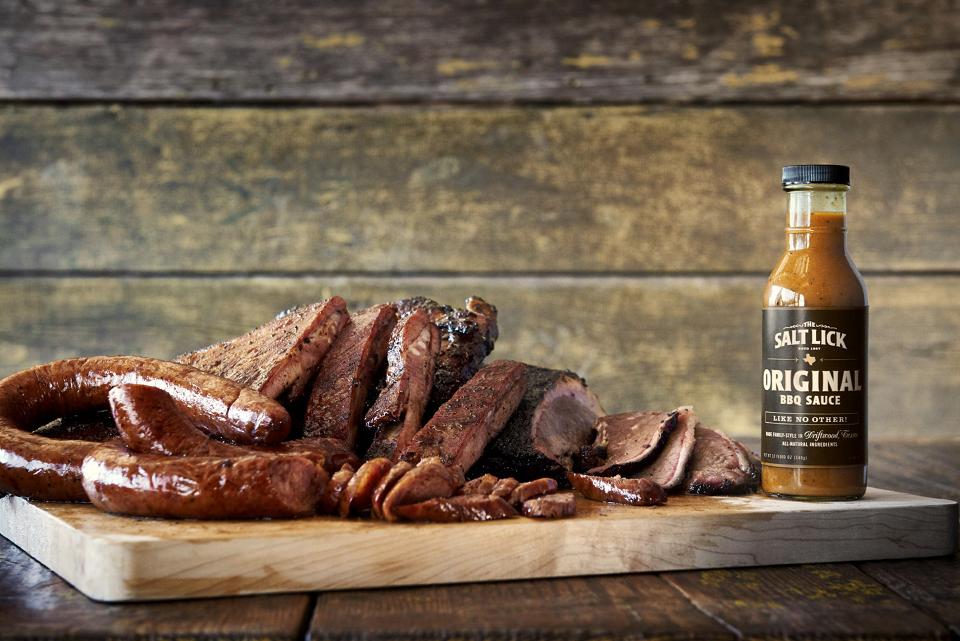
While gastronomic traveling is curtailed at the moment, you can still order specialties from different U.S. regions and European countries to enjoy at home.
Culinary travel has been on the rise in recent years as not just pleasure for the food obsessed but as a window into a destination’s culture. With the worldwide coronavirus pandemic postponing nonessential travel, gastronomic excursions are on hold as well. But through the wonder of long distance delivery, iconic foods can come to the hunkered down at home as well. Some are offering free shipping now as well.
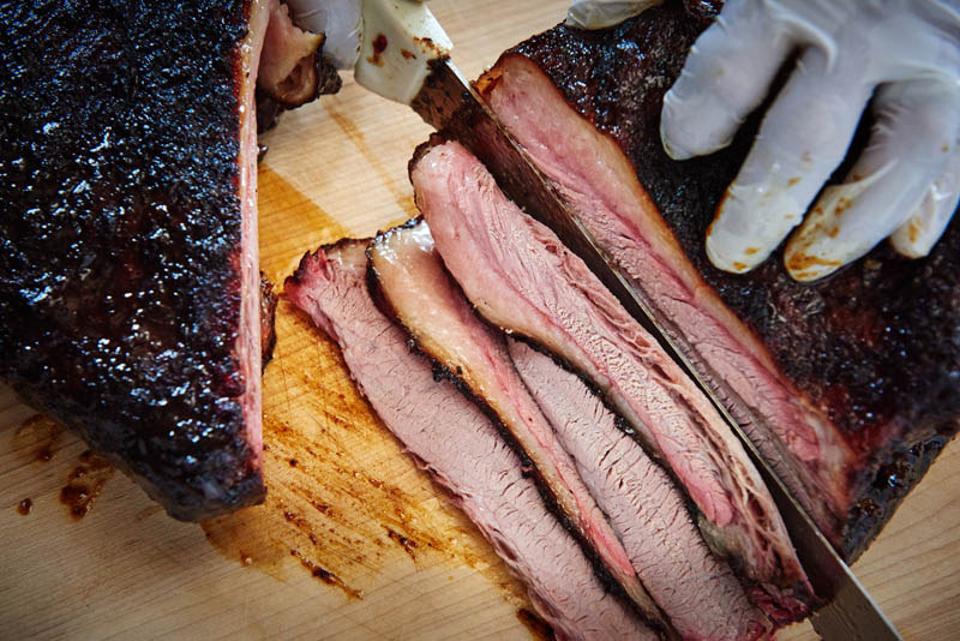
Brisket at the Salt Lick BBQ
THE SALT LICK BBQ
One of the great pleasures of a visit to the various U.S. states in the south is barbecue which varies in specialty/the primary meat used/sauce preparation by state. In Texas, it’s largely about beef and one of the most revered places to get it is The Salt Lick BBQ in Driftwood, Texas, a second generation operation known for its seared then smoked over coals brisket. But they also offer pork and beef ribs along with their vinegar based, cayenne and chili power spiced sauce. Available in the lower 48 U.S. states and the barbecue with arrive cryovaced and frozen with instructions for reheating. [ . . . ]
Continue at FORBES: 7 Foods To Mail Order For A Gastronomic Staycation
 Pas De Merde