Trick all 5 senses into thinking you’re in France this weekend.
At a time when it’s uncertain when Americans will be allowed to visit Europe again, you might find yourself salivating over travel influencer latergrams of Rue Cremieux or Collioure, or window shopping for Air France tickets at COVID prices. Luckily, those in New York have the resources available to spend a day in Paris, without leaving Manhattan.
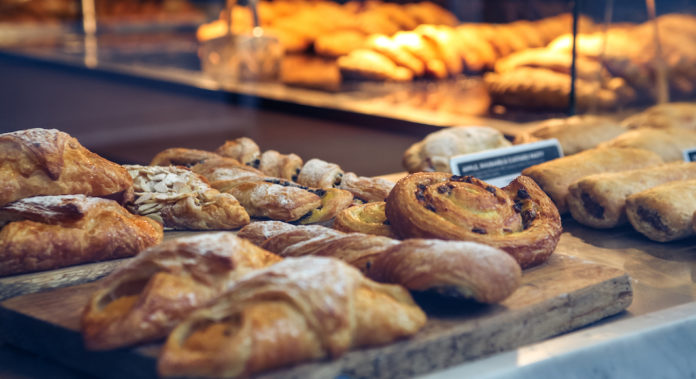
Start the day right with a croissant and a coffee, at one of New York’s dozens of phenomenal French bakeries. Grab a baguette at La Bicyclette in Williamsburg, or a pastry at Ebb & Flow in DUMBO. Or you can always opt for the clout visit to Dominique Ansel or Maison Kayser.
Miss a good old fashioned shopping trip in Paris? Browse dozens of French items from beauty products to kitchenware at French Wink, which provides free local pickup at their Chelsea boutique.
Tired of your local grocery store being your only place for social interaction? Shop the French way, and order from the specialists. Sign up for a weekly flower subscription with florist Agnes de Villarson, and prepare for the evening’s apéro by scouting some cheese plate fixings from French Cheese Board in Soho, or ordering prime charcuterie products from restaurant supplier D’Artagnan. Or make it a trip to the marché with one of New York’s 50 outdoor farmers’ markets. Perhaps a lunchtime picnic could even be in order. Check this list of every NYC park to find one near you (but be wary that some, like Brooklyn’s Domino Park, are searching bags upon entry for alcohol and illegal fireworks).
Don’t forget to stock up on wine. We recommend Winemak’her, Park Slope’s new bar and wine store, which is dedicated to celebrating women winemakers.
Nothing feels more French than the city’s sudden abundance of outdoor seating options. With restaurants like Williamsburg’s Juliette, Alphabet City’s Pardon My French, and South Slope’s Le P’tit Paris Bistro all operating en terrasse at the moment, there’s no better time to enjoy lunch or dinner on makeshift boulevard seating, glass of rosé in hand.
After dinner, tune into one of the virtual film screenings organized by FIAF, including Animation First REWIND, a retrospective on the past three years of the organization’s highly successful French animation festival, complete with streamings of animated films for all ages and tastes.
The Met Opera is still offering free nightly streams of some of the best works in their canon. This week, watch the most famous French-language opera of all time, Georges Bizet’s Carmen (August 11), or take a trip to Paris with Puccini’s seminal La Bohème (August 15), or one of his other great works, inspired by the great French novel of the same name, Manon Lescaut (August 10).
For a little late night entertainment, a dimly-lit jazz bar might strike the right note. But since those are a little hard to come by these days, venues like Rue B have integrated live music back into their outdoor seating set-ups, and others, like Barbès, are streaming sets live on YouTube so you can jam out from the comfort of your home.
Source: The Best Way to Spend a French Day in New York – Frenchly