Further Review: Notre-Dame de Paris

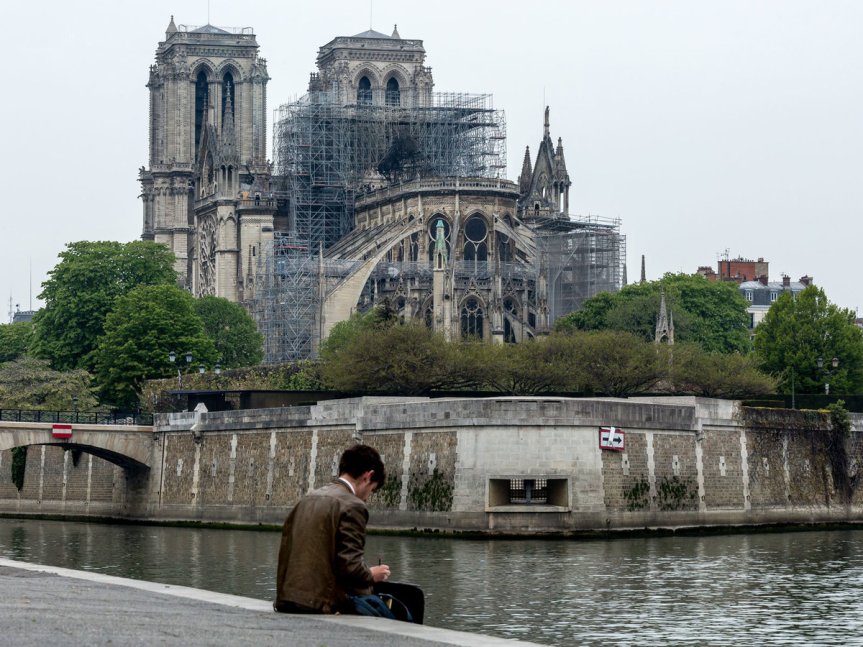
Every year, 12 million tourists make their pilgrimage to Paris to experience the majesty of one of the most iconic churches, Notre-Dame cathedral. The fire on April 16, 2019, threatens its existence.

TIMELINE

1163
Pope Alexander witnessed the first stone being laid for the cathedral.

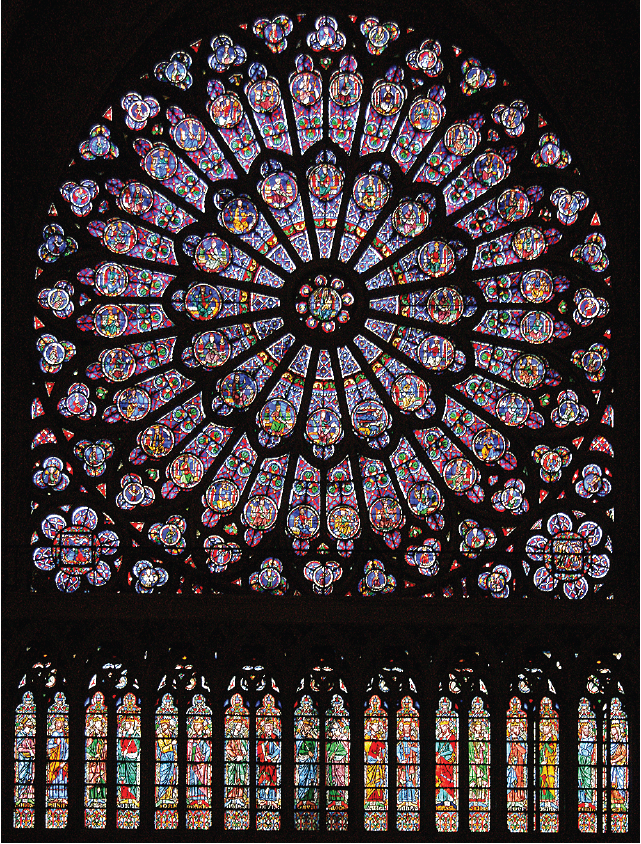
1270King St. Louis offered the South Rose window, one of three rose windows in the church.

1240-1345
Builders finish the cathedral with the integration of several Gothic elements.

1401
“The great organ,” one of the largest of its kind in the world, is placed in Notre Dame.

1789
Statues of Saint Judah are removed by French Revolutionaries, who cause severe damage to the church.

1831
The book “The Hunchback of Notre Dame” by Victor Hugo inspires an initiative to repair and restore Notre Dame.

2019
A massive fire swept across the top of Paris’ soaring Notre Dame cathedral as it was undergoing renovations, collapsing its spire and threatening one of the world’s greatest architectural treasures.

Source: Further Review: Notre-Dame de Paris | The Spokesman-Review

France’s Wine Industry Pledges to Help Repair Notre-Dame

The families behind brands like Chateau Latour and Moët & Chandon have promised millions after a fire damaged the cathedral on April 15.

Officials in Paris are still assessing the damage of yesterday’s devastating blaze at the famed Notre-Dame Cathedral. But though the cause and full extent of the fire may not yet be known, one thing is already certain: Money is pouring in to repair the 850-year-old structure — including massive donations from two major names in the world of French wine.

The news agency Agence France-Presse (AFP) reports that two French billionaires, Francois Pinault and “crosstown rival” Bernard Arnault, have pledged to donate 100 million euros ($124 million) and 200 million euros ($248 million) respectively to help rebuild the iconic cathedral. [ . . . ]

Continue at source: France’s Wine Industry Pledges to Help Repair Notre-Dame

Massive increase in pickpocket crimes in Paris metro 

Paris Metro

Since the start of 2019, crime on Paris public transit has shot up, most from pickpockets, organised in groups who target tourists in metro cars. The Paris police prefecture has registered an increase of 33 per cent in the number of pickpocket crimes reported on the metro, RER and local trains.

The thieves’ methods are as varied as they are familiar. Groups, often of young women, get close to their victims, then leave as the train doors are close, a smartphone or wallet in hand. Or they bump into someone getting off a train, and take advantage of the confusion to slip a hand in an open bag or pocket.

While Parisians are used to keeping their bags close to them, visitors are less wary, and become targets.

Police have trouble apprehending the perpetrators, as over half are minors, which makes it difficult to prosecute them, or deport them, as many are foreigners.

Train drivers will often make their own announcements to warn passengers to hold onto their belongings if they see a pickpocket gang on the platform.

The RATP, which runs the Metro, has set up a way for victims to file a complaint directly in 49 stations, without going to the police, which allows for victims to quickly receive documents to provide to insurance companies or to ask for a replacement passport at an embassy.

Source: Massive increase in pickpocket crimes in Paris metro – France – RFI

Partisan Café – Paris by Mouth

Paris cafe

Upon first glance, you’d be forgiven for confusing the industrially chic Partisan Café for another could-be-anywhere cosmopolitan, third-wave coffee joint. But like most things coffee, the devil is in the details. In this, financial analyst-cum-café owner, Georges Karam spares none. Combining a historian’s appreciation of coffee culture and Paris architecture with a physicist’s approach to fluid dynamics, Georges’ coffee geekery caters to a distinctly French sensibility.  cafe barristas

Source: Partisan Café – Paris by Mouth