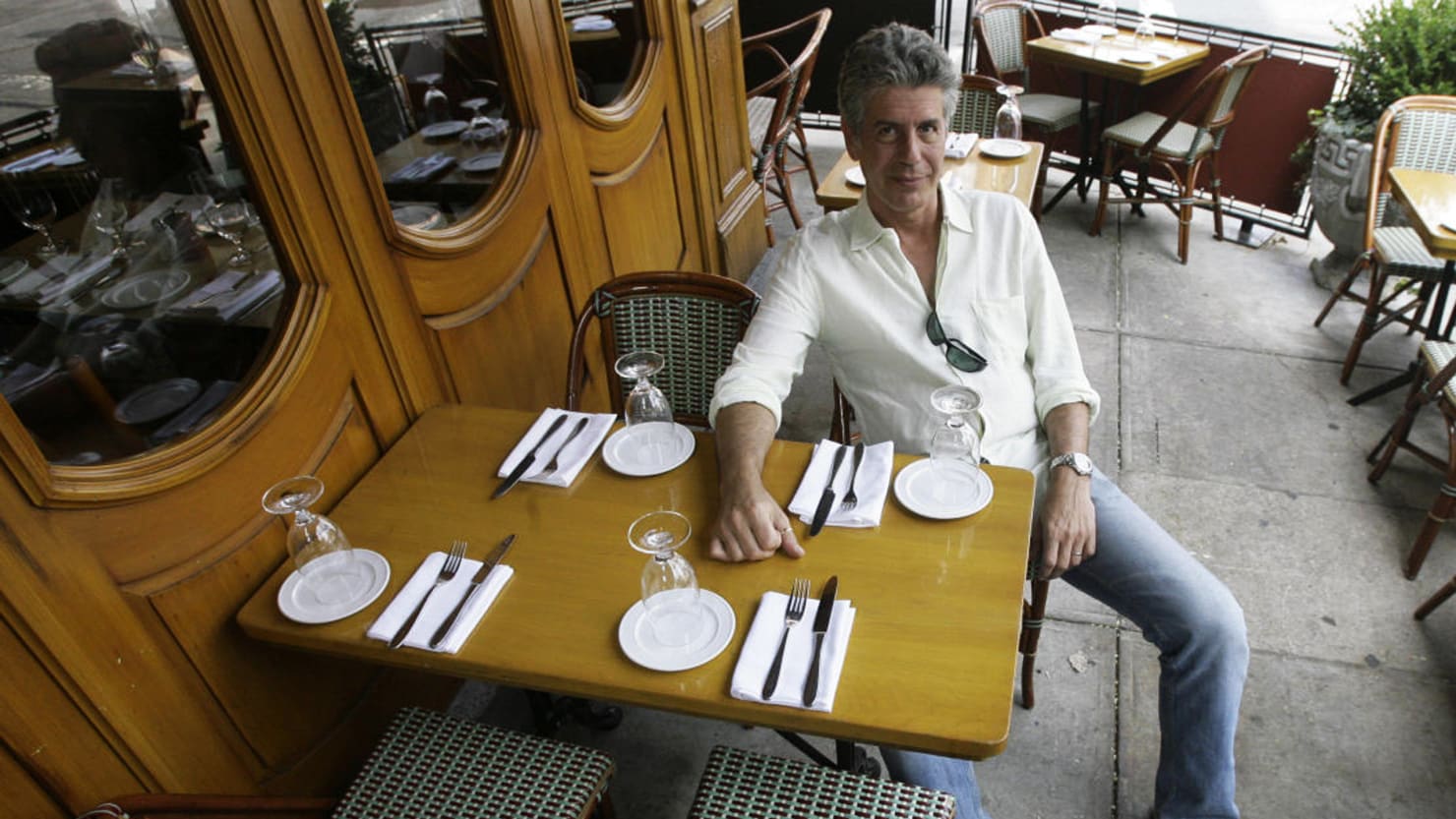
It took more than a century but who can now seriously believe that French chefs have no equal? Bourdain’s one-man odyssey to Parts Unknown finally put that to rest.
It’s strangely poignant that Anthony Bourdain should end his life in France, because nobody did more than he did to end the long hegemony of France over international cuisine.Few of those who followed him on CNN as he relished exotic entrails, smelly noodles, the most inflammatory spices, will have realized that not so long ago all these pleasures were virtually shut out of any chance of recognition as serious food by the belief that only France could decide what counted as world-class dining [ . . . ]
French food – especially in its most buttery and decadent forms — is a treat, and there’s nothing wrong with treating yourself to a little continental magic from time to time. Who doesn’t love a plate of stinky cheese, cassoulet, or beef bourguignon?Also worth remembering: Not all French food is heavy. Provence is famous for the vegetable casserole ratatouille, you can’t think Côte d’Azur without thinking tapenade, and the favorite dish of the Marseillaise is a fish stew called bouillabaisse. You can eat a pound of butter while eating French, but you don’t have to.
Tip: While this map focuses on full-service restaurants in Boston proper, the Boston area also features a number of outstanding French bakery and cafe options worth exploring. Start with Cafe Madeleine in Boston’s South End and then move beyond the city to Ma France in Lexington (a French grocery shop with baked goods, charcuterie, cheese, and lots more), Clear Flour Bread in Brookline (serving French and Italian breads), and Mamadou’s Artisan Bakery in Winchester and Arlington.
Here’s where to eat like the French without getting on an airplane [ . . . ]
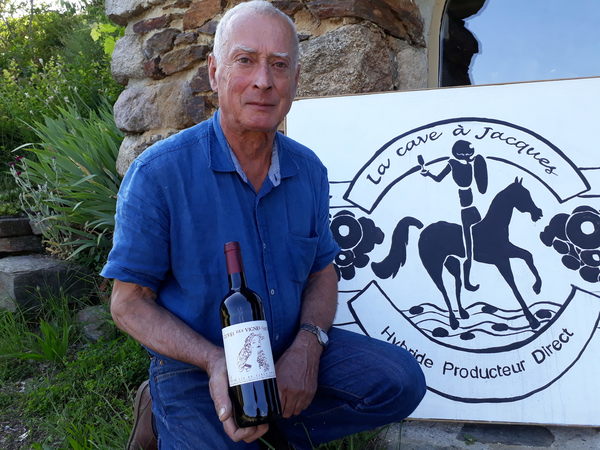
ON A SLOW SUNDAY NIGHT at Virginia’s La Table Provencale restaurant, sommelier Christian Borel unveils a prized bottle of Cuvée des Vignes d’Antan. In a hushed, conspiratorial tone, he calls it a “borderline mythical, quasi black-market wine.” It’s made from outlawed jacquez and herbemont grapes, he explains, and is produced by a coop of rebellious vignerons in the Ardéche region of southern France.
Filled with dark garnet-red liquid, the bottle is sealed with shrink wrap. Its label is stamped with vintage information and a line-drawing of a sultry wine goddess. All in all, it looks indistinguishable from something you’d buy at the supermarket.“This cuvée hails from the tiny, remote village of Beaumont, where it’s been perfected by five generations of local winemakers,” whispers Borel. For the past 84 years, the French government and, most recently, the European Union, has sought to eradicate Beaumont’s grapevines due to their American “blood.” Although the vines are French-American hybrids, they are more than 140 years old. Beaumont’s Association Mémoire de la Vigne makes just 7,000 bottles a year.
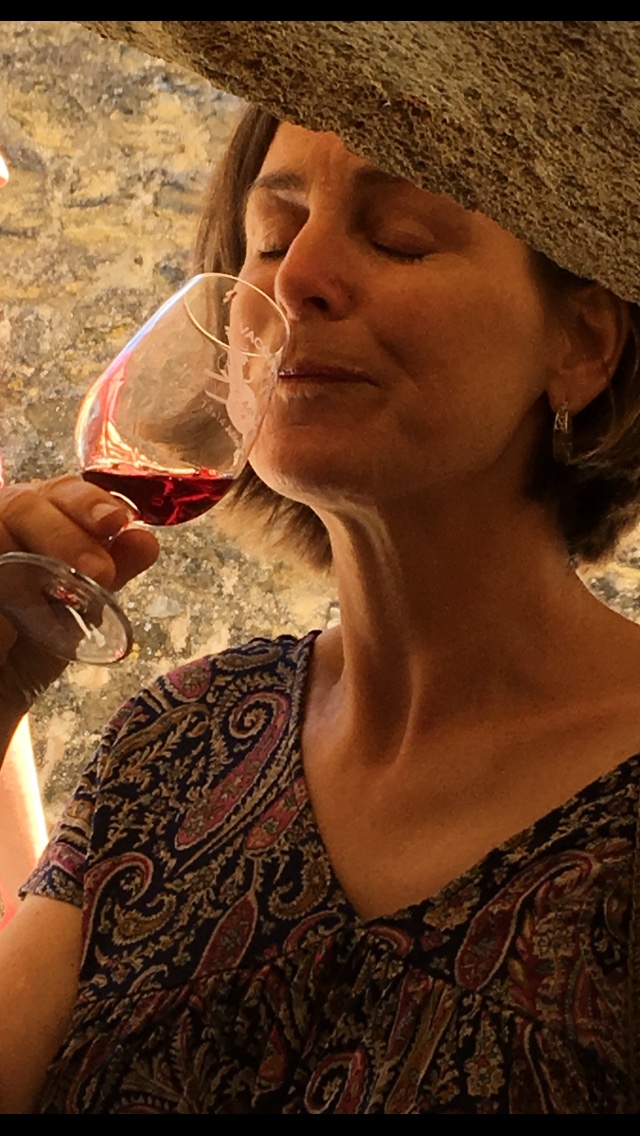
Swirled in a glass, the wine offers a floral, fruity aroma of blackberries and what Borel describes as “hues of violet and peony.” Letting it breathe, hints of “vanilla, mild spice, and licorice” emerge. A sip brings thick, pleasantly rounded flavors “backed by firm structure, a finish of supple, smoothed-out tannins …” and a taste that is uncannily “like its bouquet.”
On Mon., Jun. 4, we all have the pleasure of celebrating National Cheese Day — as if any of us needed yet another reason to enjoy the wonder that is cheese. This is just another excuse to gorge on your favorite different kinds of cheese, pair them with fruit, bread, and wine, and just generally enjoy yourself. And it’s happening on a Monday, which is the perfect way to start off the week. But if you want to branch out and try something new rather than sticking to the same old stuff, this is an ideal time to do that. There are so many unique cheeses to try on National Cheese Day that settling on just one can be overwhelming! Of course, you can always settle on three, five, or more if you’d like! But we’ve narrowed down a few options for you [ . . . ]
Crémant has been around for ages, but now it appears to be having a moment. Sparkling wine’s popularity continues unabated and consumers are finding Crémant to be a terrific budget-friendly option that offers complexity and finesse [ . . . ]
Below are top selections of Cremant that won’t disappoint:
Robitaille’s Recommendations:
André et Mirielle Tissot, Crémant du Jura Rosé Extra Brut: This is a delicious wine from the Jura made by a very conscientious family of farmers. The blend of Pinot Noir, Trousseau, and Poulsard is a pure expression of the people and the place. Fresh, crisp, balanced with an almost ethereal texture, this wine is just heavenly.
Domaine Belluard, Les Perles du Mont Blanc: From the town of Ayse in the Savoie, this is a beautiful wine that absolutely shows the potential for Crémant wines in the French Alps. Dominique Belluard has been running the domaine since 1988, and nearly single-handedly rescued the Gringet grape from extinction. Gringet, an old indigenous varietal of the Alps, has very high natural acidity, making it perfect for crisp, bright sparkling wine. I always find a deep mineral core in this, and something beautifully aromatic, like preserved Meyer lemon.
Victoria James’ Recommendations:
Domaine François Mikulski and Jean-Noël Gagnard, Brut Grand Lys (2014) Both of these Crémant de Bourgogne selections are cult favorites and make great bubblies.
Domaine Mittnacht Freres Crémant d’Alsace
André & Michel Quenard, Vin de Savoie Crémant Extra Brut (NV)
Château de Brézé, (NV) and Château de Brézé, Rosé (NV) Crémant de Loire: Both the rosé and white Crémant that are search-worthy.
Other Excellent Selections:
Gratien & Meyer Brut and Rose: Founded by Champagne producer Alfred Gratien (of Champagne Alfred Gratien) in 1864. Winemaker Florence Hayes strives to craft sparkling wines with freshness and finesse.
Jaillance Cremant de Bordeaux, Cuvee de l’Abbaye: Bright and crisp. Made from merlot; it is wonderfully juicy and fresh with raspberry and cherry notes. Just delightful.
Pierre Sparr, Brut Reserve Cremant d’Alsace: Winemaker Alexandra Boudrot is careful to note that all fruit is handpicked, then gently pressed and left on the lees for a year minimum. Crisp and lemony with ripe apple notes.
White wines pair beautifully with cheese. Liz Thorpe, author of “The Book of Cheese,” says serving oaky Chardonnay with creamy havarti is “crowd-friendly cheese and wine 101.” The Kitchn swears by floral Gewürztraminer with gooey, pungent morbier. And Loire Valley chèvre is “perfect” with local Pouilly Fumé and other Sauvignon Blancs.Yet the French, masters of all things cheese-related, tend to serve their cheese boards with red wines only. Comment dit-on, what gives?
The practice is more cultural than culinary, explains Anne Moreau, a public relations official for Maison Louis Moreau in Bourgogne. “During the First World War, the daily ration given to soldiers included one Camembert cheese and 25 centiliters of red wine,” she says.
These rations may strike contemporary servicemen and women as luxurious, but the impetus was practical. Polluted water supplies made bottled wine safer for soldiers to drink.
French winemakers were primarily producing red wine at the time, too, Moreau says. “They had replanted new varieties after the phylloxera disaster,” she says, and vintners were seeing “much higher yield.” Donating surplus juice to soldiers in the field boosted morale.
Toward the end of the war, wine rations in the field were up to 75 centiliters. “The alcohol was much lower, so the soldiers could drink it on a daily basis,” Moreau explains.
Today, French armed forces reportedly no longer receive alcoholic rations, though they have been known to paratroop into battle with MREs of canned cassoulet.
Regardless, Moreau says, the red wine and cheese pairing persists in civilian life. Traditions are harder to break than old Comté.


 Pas De Merde