“Let’s play with sound, forget all knowledge and instrumental skills, and just use instinct – the same way Punk did” – Yann Tiersen
PICTURE THIS – FILM MUSIC ON THE RADIO : WRIU 90.3 FM 9/21/25
Georges Auric (1899–1983)
Auric was a versatile and significant figure in 20th-century French music and culture.
A member of Les Six: As one of the prominent members of the group of avant-garde composers known as Les Six, he rebelled against late-Romanticism and Impressionism, advocating for a more modern, populist, and distinctively French style.
Major film scores: He composed over 100 film scores, many for prominent directors, including his longtime collaborator Jean Cocteau. His famous film scores include:
Beauty and the Beast (1946)
Moulin Rouge (1952), which produced the popular song “Where Is Your Heart?”
The Wages of Fear (1953)
Roman Holiday (1953)
Administrator of French music: Auric also held significant administrative positions, including director of the Paris Opéra and chairman of the French performing rights society, SACEM.
Georges Delerue (1925–1992)
Dubbed “The Mozart of Cinema” by the newspaper Le Figaro, Delerue was one of the most prolific and influential film composers of his generation.
Prolific career: He wrote more than 350 scores for film and television, with his signature style blending classical orchestration with romantic, lyrical melodies.
French New Wave collaborator: His distinctive style shaped the sound of the French New Wave, notably through his collaborations with director François Truffaut on films such as Jules and Jim (1962) and Day for Night (1973).
Hollywood success: His success extended to Hollywood, where he scored notable films, including:
A Little Romance (1979), for which he won an Academy Award
Platoon (1986)
Steel Magnolias (1989)
Francis Lai (1932–2018)
Lai was an Oscar-winning composer whose work helped define the “easy listening” and popular instrumental music of his era.
Popular melodies: He was a gifted melodist known for his emotionally expressive themes. His music gained massive global recognition through his collaboration with director Claude Lelouch, for whom he scored almost 40 films.
Global hits: His most famous and influential works include:
The romantic theme from A Man and a Woman (1966), which earned him a Golden Globe nomination.
The iconic, Oscar-winning score for Love Story (1970). The theme, “Where Do I Begin?”, became an international pop standard.
Classical crossover influence: Lai’s success demonstrated that a film score could become a hit in its own right, influencing the popular music charts and inspiring a new generation of “classical crossover” artists
Following a century-long ban due to pollution, Parisians and tourists can now swim in designated areas of the River Seine.
By Kelly Yu
The iconic River Seine opened its banks to swimmers on July 5, marking the end of a swimming ban that had been in place since 1923 due to severe contamination in its waters.
For decades, the river has been polluted by E.coli, enterococci bacteria and other contaminants, with industrial waste, sewage overflow, and urban runoff making it unsafe for swimming.
Paris’s outdated combined sewer system, dating back to city planner Baron Georges-Eugène Haussmann’s 19th-century city planning, allowed untreated wastewater to flow directly into the river during heavy rainfall.
By the 1970s, about 60% of the city’s sewage was being dumped untreated into the river, and fish species had decreased to just three.
The historic reopening followed a €1.4 billion (US$1.6 billion) cleanup operation to make the river swimmable in time for the 2024 Paris Olympics, with open-water swimmers and triathletes competing in its specially treated waters.
Bastien Xu, a Parisian businessman who was among the first to take a dip when the ban was lifted, described it as a symbolic moment for the city: “The Seine River has always been seen as romantic, but now people can actually swim in it instead of just looking at it.”
“I was really excited. I felt lucky that we can swim there now after it wasn’t allowed for 100 years. My older French neighbors were envious because they never got the chance when they were young,” Xu told Earth.Org.
Learn why the French take off the entire month of August for summer vacations and discover the cultural importance of this tradition.
Every August, an interesting phenomenon occurs in France: cities quiet down, shops close, and the bustling energy of daily life takes a noticeable pause. This annual exodus, known as “les grandes vacances,” sees millions of French people flocking to the coastlines, countryside, and other vacation destinations, leaving urban areas almost deserted.
Even in years when global events draw international attention — like the 2024 Summer Olympics in Paris — the tradition persists. While the world watches athletes compete and tourists flock to the capital, many Parisians and other French citizens still adhere to their deeply ingrained custom of taking the entire month off.
The tradition of the August break reflects a unique approach to work-life balance, family, and leisure that remains a cornerstone of French culture, regardless of global happenings. Read on to learn more about why the French take off the month of August.
Historical Roots of the August Vacation
The tradition of taking a full month off has historical roots that date back all the way to the Middle Ages when Pope Gregory IX granted a one-month vacation to children who attended school to help out with agricultural work. This tradition lasted centuries and was in addition to religious holidays taken throughout the year. Then in the 19th century, when Napoleon was in power, a summer vacation was extended to six weeks, simply so that the children of the privileged class could get more integrated into the sociable networks.
Over the years, the summer vacations gradually grew longer and longer, but only those who had the means and ability to travel or stop working could afford to take it. This changed in 1936, when The Popular Front, a left-wing coalition of the French government, introduced two weeks of paid vacation time for workers, which many took during the month of August. This legislative change for the working class laid the foundation for the French to embrace the idea of a prolonged summer break, allowing them to escape the daily grind and enjoy quality time with family and friends.
A Deeply Ingrained Cultural Practice
The French value their leisure time and prioritize quality of life over work. This cultural inclination is reflected in their generous vacation policies and the emphasis on savoring life’s pleasures. The concept of “joie de vivre,” or the joy of living, is a fundamental aspect of French culture. Taking time off in August allows people to reconnect with this philosophy, indulging in good food, beautiful landscapes, and meaningful relationships.
For many French families, the August vacation is a cherished tradition. It’s a time for multi-generational gatherings, where grandparents, parents, and children come together to bond and create lasting memories. The rhythm of daily life slows down, and the focus shifts to relaxation and enjoyment. Whether it’s lounging on the sandy beaches of the French Riviera, exploring picturesque villages in Provence, or hiking in the French Alps, August offers a myriad of opportunities for leisure and exploration.
The Economic and Social Impacts
The mass departure during August has a significant impact on the French economy and society. Many businesses, particularly smaller ones, close their doors for the entire month, as owners and employees take their vacations. This temporary shutdown can be inconvenient for tourists and locals alike, as they may find themselves navigating empty streets and shuttered stores. However, this break also highlights the importance of rest and work-life balance, a concept that is often overshadowed in more work-centric cultures.
Tourism, on the other hand, thrives during this period. Coastal regions, mountain resorts, and popular tourist destinations see a surge in visitors, both domestic and international. The influx of vacationers boosts the hospitality industry, with hotels, restaurants, and local attractions experiencing a busy season. The French government and businesses often prepare for this annual migration, ensuring that the tourism infrastructure can accommodate the seasonal demand.
The Changing Landscape of French Vacations
In recent years, the tradition of taking the entire month of August off has seen some changes. With the rise of flexible work arrangements and digital nomadism, some French people are opting for shorter, more frequent vacations spread throughout the year. However, August remains a symbol of rest and rejuvenation, a time when the nation collectively pauses to recharge.
Moreover, global trends and economic pressures have influenced the way French people approach their vacations. While the tradition of taking August off remains strong, there’s a growing awareness of the importance of sustainable tourism and mindful travel. Many now choose eco-friendly destinations and activities, reflecting a broader cultural shift towards environmental consciousness.
A Cultural Statement
The French tradition of taking the whole month of August off is more than just a vacation; it’s a cultural statement. It embodies the French commitment to enjoying life, valuing relationships, and maintaining a healthy work-life balance. As cities empty and the countryside fills with laughter and relaxation, the French August exodus serves as a reminder that sometimes, the best way to appreciate life is to slow down and savor each moment. Whether it’s a stroll through a sun-drenched vineyard or a leisurely meal with loved ones, the French have perfected the art of living well — and August is their time to celebrate it.
Embracing the Art of Living Well
No matter where you are in the world, get in on the French spirit and take time to indulge in the simple pleasures of life. To get you started, check out some of the items that we’ve spotted the French bringing along with them on their August vacations – available to ship anywhere in the world from the MFCH Boutique.
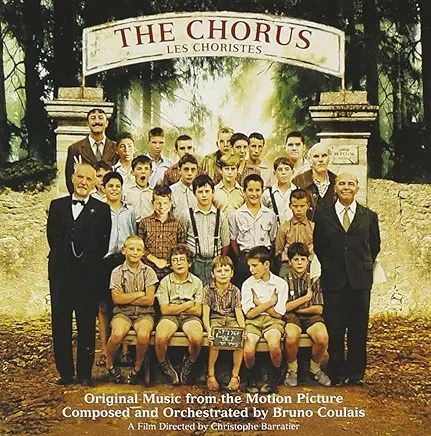
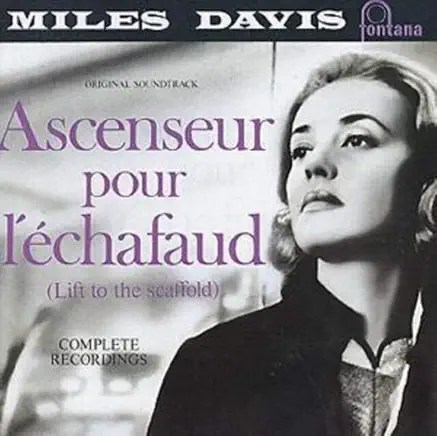
This Sunday’s FRENCH CONNECTION on WRIU 90.3 FM celebrates the musical scores from four wonderful French films: Les Choristes from 2011, Amelie from 2001, Ascenseur pour L’échafaud from 1957, and Black Orpheus, from 1959.
( This program originally aired on WRIU, Kingston, 90.3 FM on Sunday, August 17 )
The French Connection 8-17-25
Notes:
Our guest in studio is mon ami Wayne Cresser, host of Picture This: Film Music on the Radio.
FIRST SET: from “Les Choristes” (2011) | Composed by Bruno Coulais; Performed by the Bulgarian Symphony Orchestra, with the boys choir Les Petits Chanteurs de Saint-Marc.
– “Les Avions En Papier” – “Vois Sur Ton Chemin (Les Choristes)” – “La Nuit” – “Compère Guilleri” – “Lueur D’été” – “Cerf-Volanther notables”
The story of Les Choristes was inspired by the origin of an actual boys’ choir The Little Singers of Paris.
At the 77th Academy Awards, Les Choristes was nominated for Best Foreign Language Film and Best Original Song (the latter for “Vois sur ton chemin“)
Notably, Les Choristes was director Christophe Barratier’s first feature film.
SECOND SET: from “Amelie” (2001) | Composed and performed by Yann Tiersen
– “La valse d’Amélie”
-“Comptine d’un autre été : L’Après-midi”
-“Les Jours tristes”
-“L’Autre valse d’Amélie”
Amélie is rated #37 among the “50 Greatest Romantic Comedies of All Time” by Rolling Stone magazine, and in 2025, the film ranked number 41 on The New York Times‘ list of “The 100 Best Movies of the 21st Century.”
Yann Tiersen is a French- Breton musician and composer. In just two weeks, he composed nineteen pieces for ”Amelie.”
Tiersen just recently released an introspective new album called Rathlin from a Distance | The Liquid Hour.
THIRD SET: “Ascenseur pour l’échafaud” (1957) | Composed and performed by Miles Davis
– “Sur L’autoroute”
The soundtrack for Ascenseur pour Léchafaud, scored by American trumpeter Miles Davis, became an instant jazz classic, known for its atmospheric, moody, and improvisational style – perfectly complementing the film noir mood of Louis Malle’s movie.
On December 4,1 957, Davis brought his four sidemen to a French recording studio without any practice or preparation. Once the plot of the film was explained, Miles and his band improvised what would become the classic soundtrack.
The musical ideas explored on Ascenseur pour L’échafaud paved the way for Miles Davis’s later masterpiece, “Kind of Blue”.
FOURTH SET: “Black Orpheus” (1959) | Composed by Antonio Carlos Jobim & Luis Bonfa
-“Manhã de Carnaval”
-“Manhã de Carnaval / La Chanson d’Orphée” performed by Pauline Croze
-“Samba de Orfeu”
Black Orpheus is a 1959 romantic tragedy film directed by French filmmaker Marcel Camus.
The film is particularly notable for its soundtrack by two Brazilian composers: Antônio Carlos Jobim, whose “Manhã de Carnaval” and “Samba de Orfeu” have become classics of bossa nova.
Black Orpheus won the 1960 Academy Award for Best Foreign Language Film.
CLOSING SONG: Sidney Bechet “Si Tu Vois Ma Mere” (1952)