Film Review: “Summer of 85”

François Ozon revisits the romantic passions of adolescence with the accuracy and great rawness of emotion that are characteristic of his mature and masterful filmmaking approach

The exaggerated nature of desires and feelings, the sky-high intensity of the moment such that every single second assumes timeless dimensions, the clash of contradictory emotions, the shared secrets and pacts, the search for the other as a mirror of love, flirtation with risk and the electrified zone where Eros and Thanatos intermix, all set against the most banal daily life imaginable, composed of parents, high school, holidays and hesitant plans for the future. Adolescence is the age of plunging into the unknown, of nebulous transitions, of instinctive joy and deep, deep suffering; a time for romanticism par excellence Continue reading “Film Review: “Summer of 85””

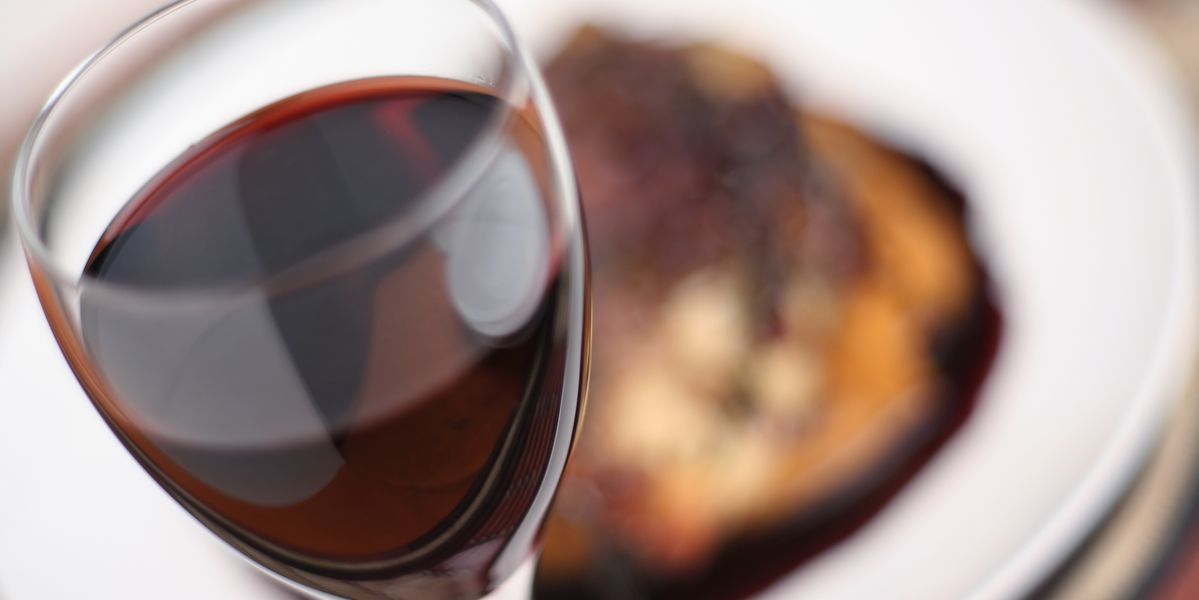
Is wine really good for you?

The key to deriving health benefits from wine is to drink it in moderation.

If you enjoy a glass of merlot, pinot noir or shiraz, you may be pleased to hear that red wine contains compounds that may also be beneficial to your health.

While red wine has been considered a celebratory and wholesome part of traditional diets in much of Europe for thousands of years, it wasn’t until research identifying the “French Paradox” (the observation that the French had lower rates of heart disease despite their high saturated fat intake, possibly because of their wine consumption) was publicized that Americans started embracing the health qualities of wine. In fact, moderate red wine intake is part of the Mediterranean-style dietary pattern, which is highlighted as one of the three healthy eating patterns recommended by the Dietary Guidelines for Americans.

The Mediterranean-style diet, one of the most widely studied diet patterns in history, has been linked with several health benefits, including lower risks of heart disease, diabetes and neurodegenerative diseases. Numerous clinical studies have linked moderate consumption of red wine with many specific benefits, including reduced risks of stroke, heart disease, diabetes, multiple sclerosis, Alzheimer’s disease, obesity, osteoporosis and infectious diseases. Overall, moderate red-wine consumption is linked with lower oxidative stress and healthier aging, according to researchers. Continue reading “Is wine really good for you?”

Are French Restaurants More Likely than American to Survive the Lockdown?

France is not unique in seeing its service industry shut down in the midst of the COVID-19 pandemic. But compared to other countries, France has a robust safety net of social security, unemployment, and healthcare. France has also implemented emergency measures that may prevent many of these businesses from going under.

As French restaurants begin to slowly reopen for outdoor service, the culinary landscape in France looks very different when compared to the United States.

Government Aid: Two Countries, Two Philosophies

In March, President Emmanuel Macron said he would do “whatever it takes” to ensure that no company, big or small, collapsed under the financial weight of the pandemic. He announced 300 billion euros in loan guarantees and tax exemptions. The government also played a role in negotiating rent forgiveness for restaurants.

Perhaps even more helpful, at least in the short-term, were easy-to-access “solidarity funds:” 1500 euros per month given tax-free to small businesses, compounded with an additional allowance of up to 2500 euros from URSSAF, a social security union for small businesses. On April 15, Gérald Darmainn, Minister of Public Action and Accounts, also announced that the restaurant industry’s taxes and social charges – about 750 million euros – would be forgiven instead of merely suspended for the duration of administrative closure.

In the U.S., by contrast, most small restaurants didn’t qualify for loans, while huge corporations like McDonald’s and Shake Shack did. According to the New York Times, big chains were able to access “tens of millions of dollars while many smaller restaurants walked away with nothing when the $349 billion fund was exhausted [April 16].” The Los Angeles Times reported that those small businesses that did qualify were reluctant to apply for the Small Business Administration’s Paycheck Protection Program because of the “strings” attached to loans.

Restaurant Workers Feed Us, But Can They Eat?

As far as restaurant employees are concerned, in France, most are secure within the net of the country’s robust social structure. When forced closures were announced mid-March, restaurant workers were encouraged to first use up their paid vacation (an average of about five weeks per year) before becoming eligible for partial unemployment (the equivalent of 84 percent of their salary.) Continue reading “Are French Restaurants More Likely than American to Survive the Lockdown?”

Reform, Defund, or Dismantle the Police? A French Perspective on the Movement in the United States

Police violence and racism confront workers and minorities in both France and the United States. France’s capitalist leaders insist that what happens on the other side of the Atlantic is irrelevant and reject any discussion of defunding or dismantling the police. The authors put the lie to their contention.

“France is not the United States.” Over and over, that is the refrain from those seeking to stigmatize the demonstrations in recent weeks here in France against police violence and racism. To that they add, over and over, that the demonstrations are a form of ethnic factionalism, that they are divisive, that they are a threat to the “Republic.” Indeed, in view of the latest statements by Macron, the right wing, and the extreme right opposition, it is true that “France is not the United States.”

* * *

Continue reading “Reform, Defund, or Dismantle the Police? A French Perspective on the Movement in the United States”

1954 Tour De France