Bastille Day: How literary writings see the French Revolution

The storming of the Bastille prison on July 14, 1789, is seen as a defining event in the French Revolution. But how does the revolution affect writers, poets, painters and other creative minds?

By Mohammad Asim Siddiqui

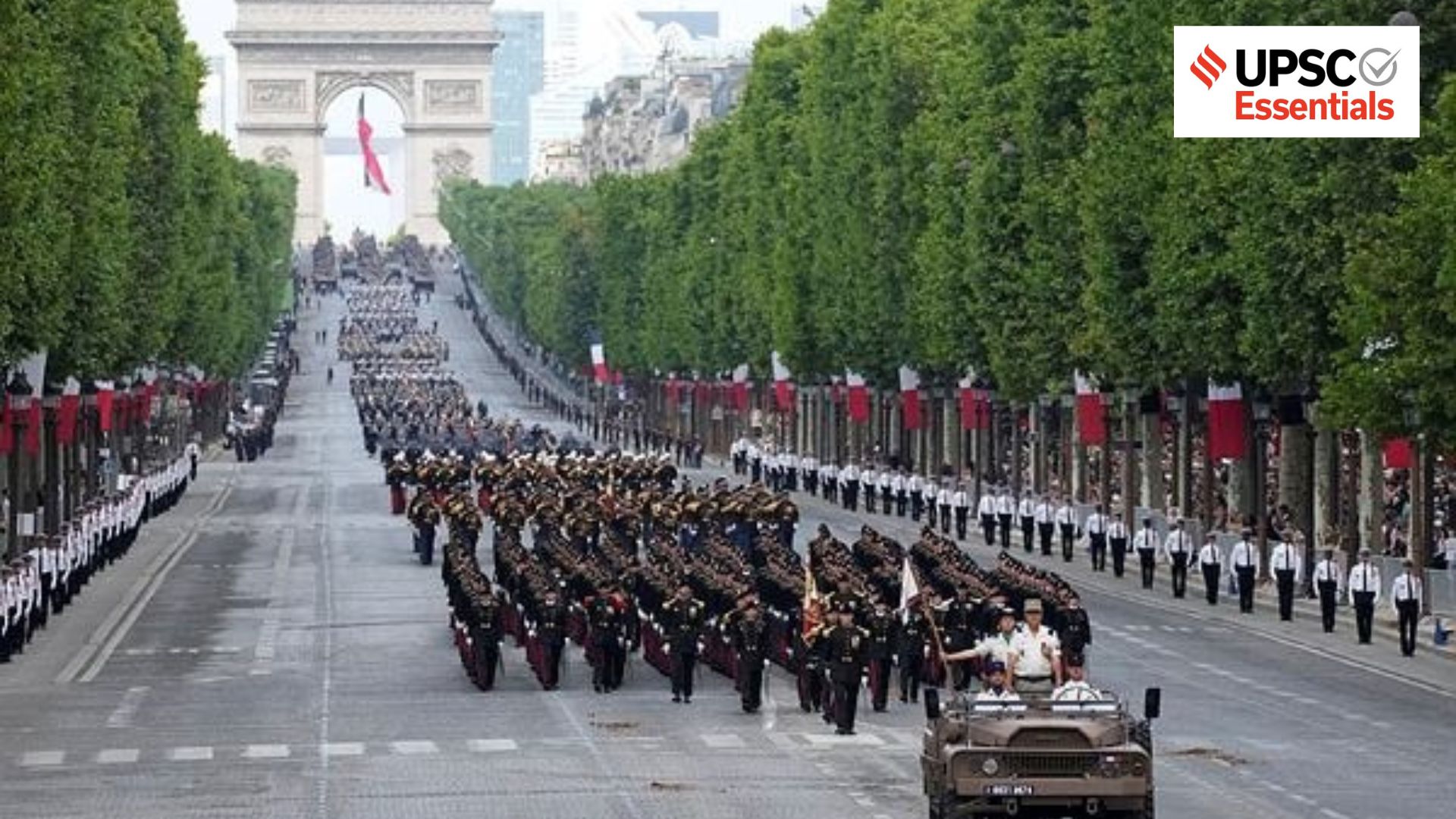
France celebrates Bastille Day to commemorate the storming of the Bastille prison on July 14, 1789, a defining event in the French Revolution. The Bastille was originally built as a castle in Paris in the 14th century to protect the city. But it was later used as a prison and came to symbolise the brute and arbitrary powers of the king.

The historiography of the French Revolution offers varied perspectives on the events, with some celebrating its revolutionary character and others highlighting the violence that accompanied it. For instance, British historian Eric Hobsbawm in Echoes of the Marseillaise: Two Centuries Look Back on the French Revolution (1990) focuses on the positive takeaways of the Revolution – Liberté, Égalité, Fraternité (liberty, equality and fraternity), the spirit of the Enlightenment, and the overthrow of aristocracy by the middle class.

He also laments many historians’ and writers’ emphasis on the violence and destruction associated with the Revolution. Hobsbawm considers historian Simon Schama’s bestselling book Citizens: A Chronicle of the French Revolution (1989), which highlights the violent nature of the Revolution through an engaging narrative. He sees it as part of a tradition in England established by Edmund Burke’s Reflections on the Revolution in France (1790), Charles Dickens’ A Tale of Two Cities (1859), and many other popular works.

But how do Romantic poets like William Blake, William Wordsworth, and P B Shelley depict the French Revolution? Why does Albert Elmer Hancock say that the French experience “humanised” Wordsworth? Why does Jane Austen deliberately avoid discussing directly the events of the French Revolution that so disturbed her world, but incorporate many of her responses to those events in her writing? Continue reading “Bastille Day: How literary writings see the French Revolution”
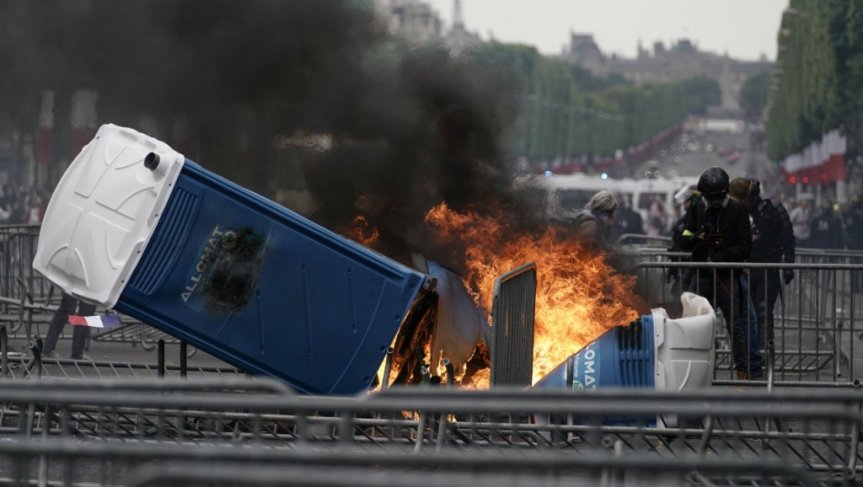
Protesters, police clash around Paris’s Champs-Élysées after Bastille Day parade

French police fired tear gas to disperse protesters from Paris’s Champs Elysees avenue on Sunday, a few hours after President Emmanuel Macron had reviewed the traditional Bastille Day military parade alongside other European leaders.

Continue at FRANCE24: Protesters, police clash around Paris’s Champs-Élysées after Bastille Day parade

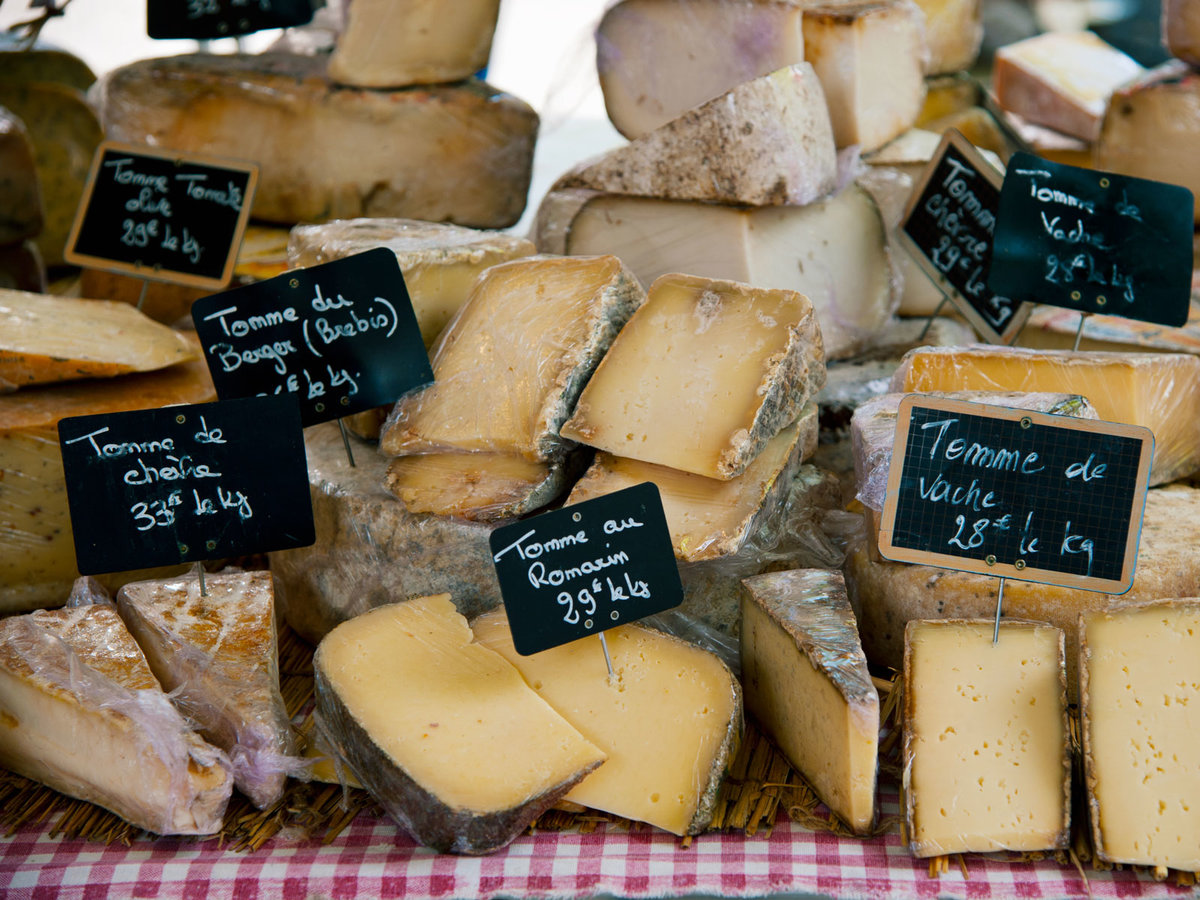
3 Underrated French Cheeses to Eat on Bastille Day 

fromage
Pas De Merde – we love fromage!

Camembert is always a good choice, but why not try some less famous—but equally transcendent—cheeses? 

One of the biggest holidays in France has become an important day for Americans to eat French food. Restaurants around the States offer Bastille Day specials, featuring classic French dishes like steak frites and canard à l’orange, to celebrate the July 14 holdiay, which commemorates the Storming of the Bastille in 1789, a major turning point in the French Revolution.

We can’t think of a better way to celebrate Frenchness than with a dreamy board of cheese. We tapped cheesemonger Carol Johnson, of Monger’s Palate in Brooklyn, to help us choose beautiful, unique fromages for a French-inflected spread, and she offered three varietals that more cheese-loving Americans should know about.

So before July 14, take a stroll to your local fromagèrie and try to get your hands on these exquisite, but lesser-known, French cheeses for the ultimate Bastille Day spread [ . . . ]

Continue at FOOD & WINE: 3 Underrated French Cheeses to Eat on Bastille Day | Food & Wine

You don’t know a man until you’ve moved furniture with him

There were more local villagers who came to our Bastille Day party than could fit at one dining table, so we needed to add an extra table from our downstairs apartment. Three men from three different countries carried a rectangular table up three flights of narrow spiral steps. We good-naturedly grunted our directions to each other “back up, go forward, ouch, turn, turn more, put it down, shit, twist, one more floor” in our respective languages. Somehow, it worked. I must say, While I am quite useless speaking any language but English, I’ve always had a talent for moving furniture, so I represented the USA with great skill and dignity in this soon-to-be Olympic event. Many bottles of wine later, we repeated our table carry – this time returning the table down the stairs.

There were no injuries to my new friends, nor to the table, and it was one of the best parties I’ve ever attended.

We made many new friends among the dozen of villagers at the table including the local painter known to his friends as “No No” (we dress alike, see below) and the town judge Noel, whose friendship we may need before we leave.

"Non Non"
“Non Non” at the party