Robert Doisneau, the image of the poet – Cross

While a book and an exhibition devoted to the photographer, Arte offers a documentary in which her granddaughter Clementine Deroudille paints a tender of his grandfather portrait.

The photographer Robert Doisneau everyone knows Kiss of the town hall , its most iconic photograph, peacekeeper snapped up by the menacing mouth cabaret Hell, his melancholy portrait of Mademoiselle Anita , his school or distracted shooters bells, its maw of Parigots gleaned in bars with his friends Jacques Prévert or Robert Giraud.
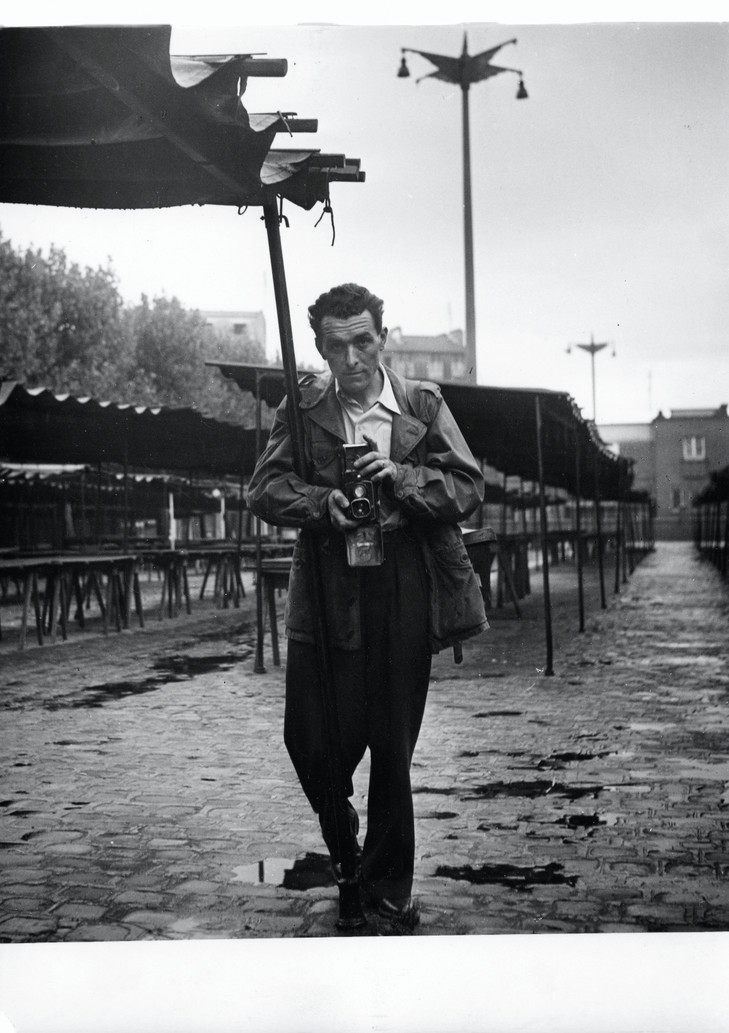
Robert Doisneau

READ THE FULL STORY: Robert Doisneau, the image of the poet – Cross
‘I like the way he kisses my hand’: My grandmother’s life in jazz age Paris | Life and style | The Guardian

It was a surprise to learn that her grandmother lived in Paris in the 1920s. Reading the letters she wrote home was even more revealing

Source: ‘I like the way he kisses my hand’: My grandmother’s life in jazz age Paris | Life and style | The Guardian

When Art meets Food: Top Restaurants in Paris to Visit While Enjoying FIAC : Travel Tips : TravelersToday

“If you are lucky enough to have lived in Paris as a young man, then wherever you go for the rest of your life, it stays with you, for all of Paris is a moveable feast.” Ernest Hemingway

Source: When Art meets Food: Top Restaurants in Paris to Visit While Enjoying FIAC : Travel Tips : TravelersToday

“Sanctuary!”

The “Sanctuary!” scene from the classic 1939 version of Victor Hugo’s “Hunchback of Notre Dame,” starring Charles Laughton as Quasimodo and Maureen O’Hara as Esmeralda.

“Hunchback” was the only movie screened at the very first Cannes Film Festival, as the remainder of the festival was cancelled when Adolf Hitler invaded Poland on September 1st, 1939. The bell-ringing scene was Laughton’s response to impending war. The actor later said he rang the bells actually wanting “to arouse the (real) world, to stop that terrible butchery!”

“It is absurd to speak of Laughton’s Quasimodo as a great performance, as if that were some quantifiable assessment. It is acting at its greatest; it is Laughton at his greatest; it is a cornerstone of this century’s dramatic achievement; it is a yardstick for all acting.”
– SIMON CALLOW, NY Times 1988