Holy sh**, that car chase is crazy!
By Gary Susman
When you think of Best Picture Oscar winners, you think of grand epics or weighty historical topics, not grimy, intimate cops-and-robbers dramas.
“The French Connection” changed all that when it was released 45 years ago this week (on October 9, 1971). It proved that true-crime dramas could be the stuff of both high art and blockbuster action filmmaking. It won Best Picture and four other Oscars, made A-listers of Gene Hackman and director William Friedkin, and thrilled audiences with what is still one of the most hair-raising car chase sequences ever filmed. In honor of its 45th, here are 23 things you never knew about this classic. 1. “The French Connection” is based on a real-life 1961 drug bust made by New York cops Eddie “Popeye” Egan and Sonny “Cloudy” Grosso. The bust netted 112 pounds of heroin with a street value of $32 million. Egan (the inspiration for Jimmy “Popeye” Doyle, Hackman’s character) and Grosso (the inspiration for Buddy “Cloudy” Russo, Roy Scheider‘s character) not only served as technical advisers on the film, but also can be seen in cameos. Egan plays Walter Simonson (the character based on Egan’s own boss) and Grosso plays Detective Klein
2. Friedkin — then an up-and-coming young director with four financially disappointing movies under his belt — took on the project after seeking career advice from legendary old-school director Howard Hawks. “People don’t want stories about people’s problems or any of that psychological sh**,” Friedkin quoted Hawks as telling him. “What they want is action stories. Every time I made a film like that, with a lot of good guys against bad guys, it had a lot of success.”
3. Hackman was not Friedkin’s first choice to star. In fact, the filmmakers had considered Steve McQueen, Lee Marvin, James Caan, Paul Newman, Robert Mitchum, Peter Boyle, and Jackie Gleason, all of whom turned the role down. They even considered casting Egan to play himself before ultimately hiring iconic New York newspaper columnist Jimmy Breslin. But Friedkin fired Breslin quickly after discovering that the newsman wasn’t much of an actor and, like many New Yorkers, didn’t know how to drive. So Hackman won the role without even having to audition.4. According to Friedkin, Hackman balked at having to talk and behave like a racist thug. He had a hard time getting into character for a scene early in the shoot, where Popeye rousts a suspect in a vacant lot. Continue reading “23 Things You Never Knew About ‘The French Connection’” →

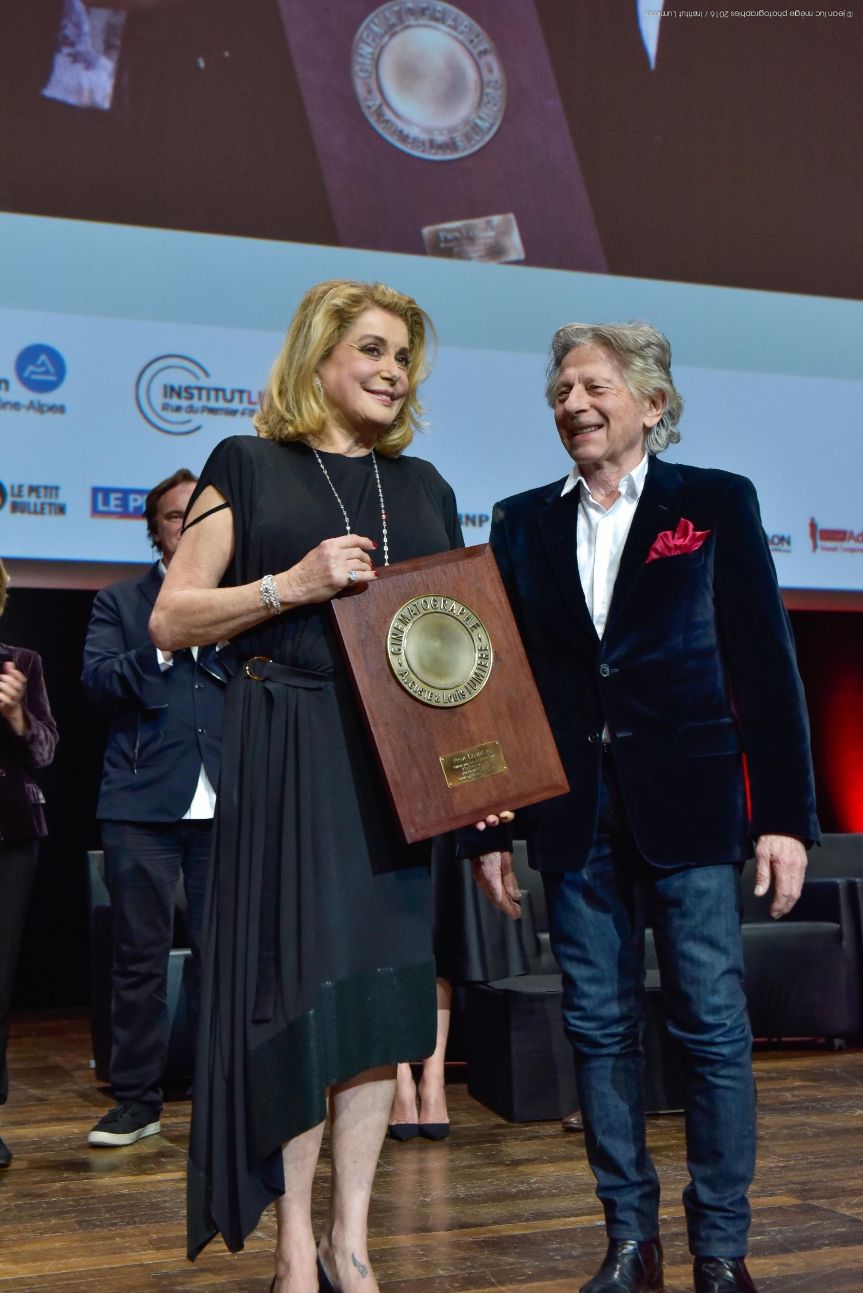 LYON, France — Catherine Deneuve was honored with the Lumière Award Friday evening during an emotional ceremony with Roman Polanski, Quentin Tarantino, Bertrand Tavernier, Lambert Wilson, Vincent Lindon, Thierry Fremaux, and her daughter Chiara Mastroianni on stage. Fremaux, who heads both the Cannes