“O Solitude”, le superbe clip de Birds on a Wire

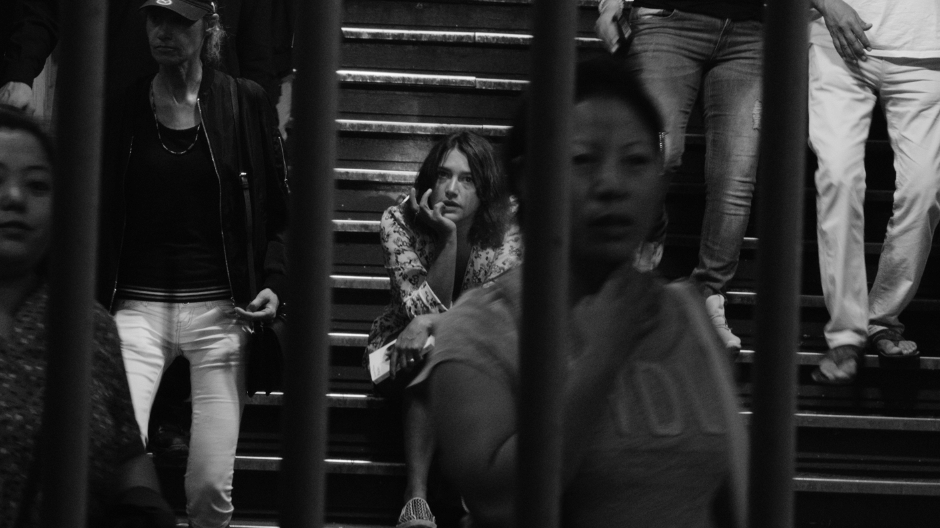
It looks like a Christmas cantata for all Navigo pass holders, but transport strikes mean it’s doubly topical. To celebrate the upcoming release of their second album “Ramages” (February 14, 2020), Rosemary Standley de Moriarty and Dom La Nena have created “O solitude”, a 2014 title inspired by music by Purcell with, in the frame, appearances by Julia Lanoë (Sexy Sushi, Kompromat) and Emma de Caunes, be careful when closing the doors.

Directed by Jeremiah. Arranged and performed by Rosemary Standley and Dom La Nena. Director of Photography : Tom Anirae. Shot and edited by Jeremiah. Bubbles by Vincent Wüthrich. Runner : Sara Guerreiro. Camera assistant : Marion Raymond-Seraille Director of production : Borhane Mallek. With Emma De Caunes, Julia Lanoé, Willow 

Source: “O Solitude”, le superbe clip de Birds on a Wire en hommage aux gens du métro

Cooking the French classics in Mallorca

I actually believe that coq au vin is the ultimate in classic comfort food.

As we head into the middle of December and the colder nights start to draw in, I think it’s a good excuse to cook some illustrious dishes that have become true French classics.

Esteemed, time-honoured recipes that have stood the test time and that are still as relevant today as they ever were. Classics like Tournados Rossini, Cassoulet, Boeuf Bourguignon or a simple coq au vin. I actually believe that coq au vin is the ultimate in classic comfort food. It’s a fairly quick and easy chicken recipe to cook at home for all the family. It embodies the true spirit of French cuisine – a delicious rustic dish that gathers everyone around the table to enjoy hearty food and a good glass of red wine. The classic version of the dish calls for red wine, specifically Burgundy, but different areas of France have their own versions; for example, coq au vin jaune (Jura), coq au Riesling (Alsace), and coq au Champagne.

While the recipe is simple, there are a few tricks that can take your coq au vin to the next level. Marinating the chicken in the wine overnight helps to impregnate the meat with more flavour. Choose a wine that you would be happy to drink—you can use a cheap one, but better, richer-flavoured wines will add more to the finished dish.

Traditionally, this recipe was made with older roosters that had outstayed their welcome on the farm and needed long, slow cooking to become even remotely edible but my recipe calls for a an organic or free-range chicken, hopefully corn-fed and full of flavour. Should you prefer a richer, more powerful sauce, drain it through a colander and, on a high heat, boil the sauce until it has reduced by one third. It should have acquired more body and become a rich, deeper colour. Then pour the sauce back over the chicken and vegetables.

Coq au vin continues to inspire respect and delight gourmets but braising a chicken at low temperatures can never be done in a hurry. Cooking temperatures should be just high enough to kill micro organisms, yet not so high that the meat toughens. So take your time and be patient. In a world where instant gratification is sought and often encouraged, lingering over a saucepan in a warm kitchen, as you gently add a few more vegetables or aromatic herbs has its benefits. You will also be richly rewarded with tender, succulent chicken, deep flavours and some amazing aromas that are guaranteed to restore good humour on a dark day.

Coq Au Vin

INGREDIENTS
Serves 4

· A large organic or free-range chicken, jointed into 8-10 pieces
· 150g pancetta or un-smoked bacon, diced
· 30g butter
· 1 tbsp tomato puree
· 2 medium onions, finely chopped Continue reading “Cooking the French classics in Mallorca”

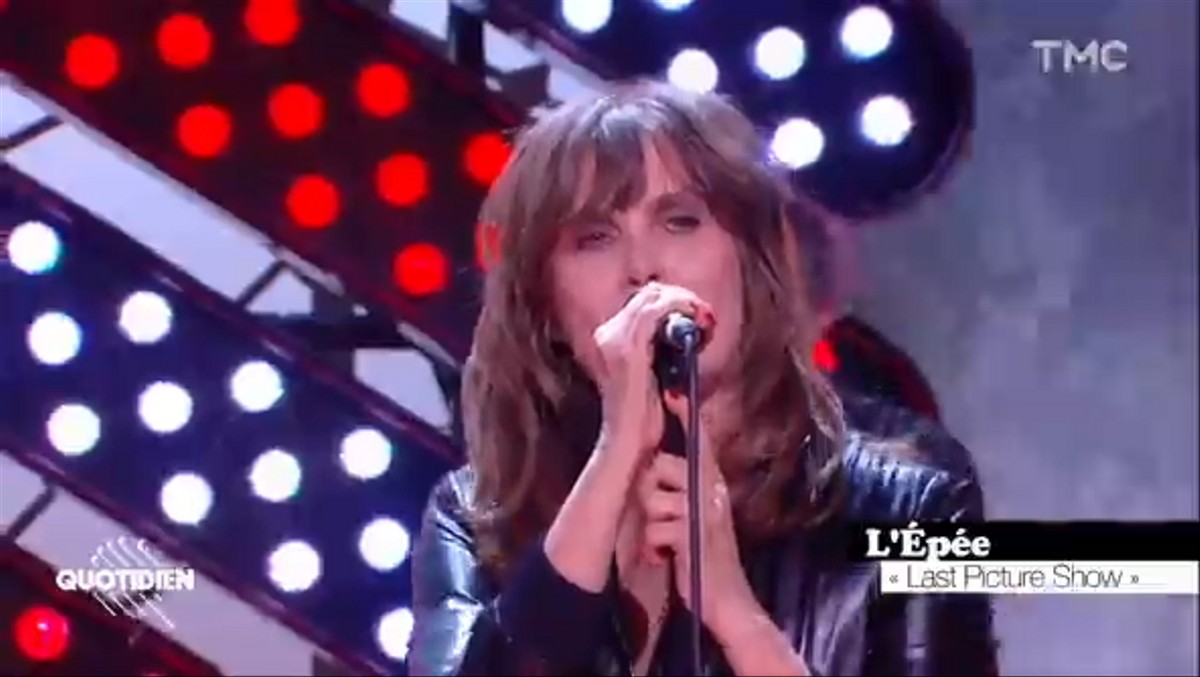
L ‘Épée: “Last picture Show” live for Quotidien – Quotidien with Yann Barthès

Vintage psychedelic rock 2019 has a name: The Sword. Meeting of the French of The Liminanas, the American Anton Newcombe and the actress Emmanuelle Seigner. They are all on the Daily stage performing “Last Picture Show”.

Watch the music performance video at : L ‘Épée: “Last picture Show” live for Quotidien – Quotidien with Yann Barthès | TMC

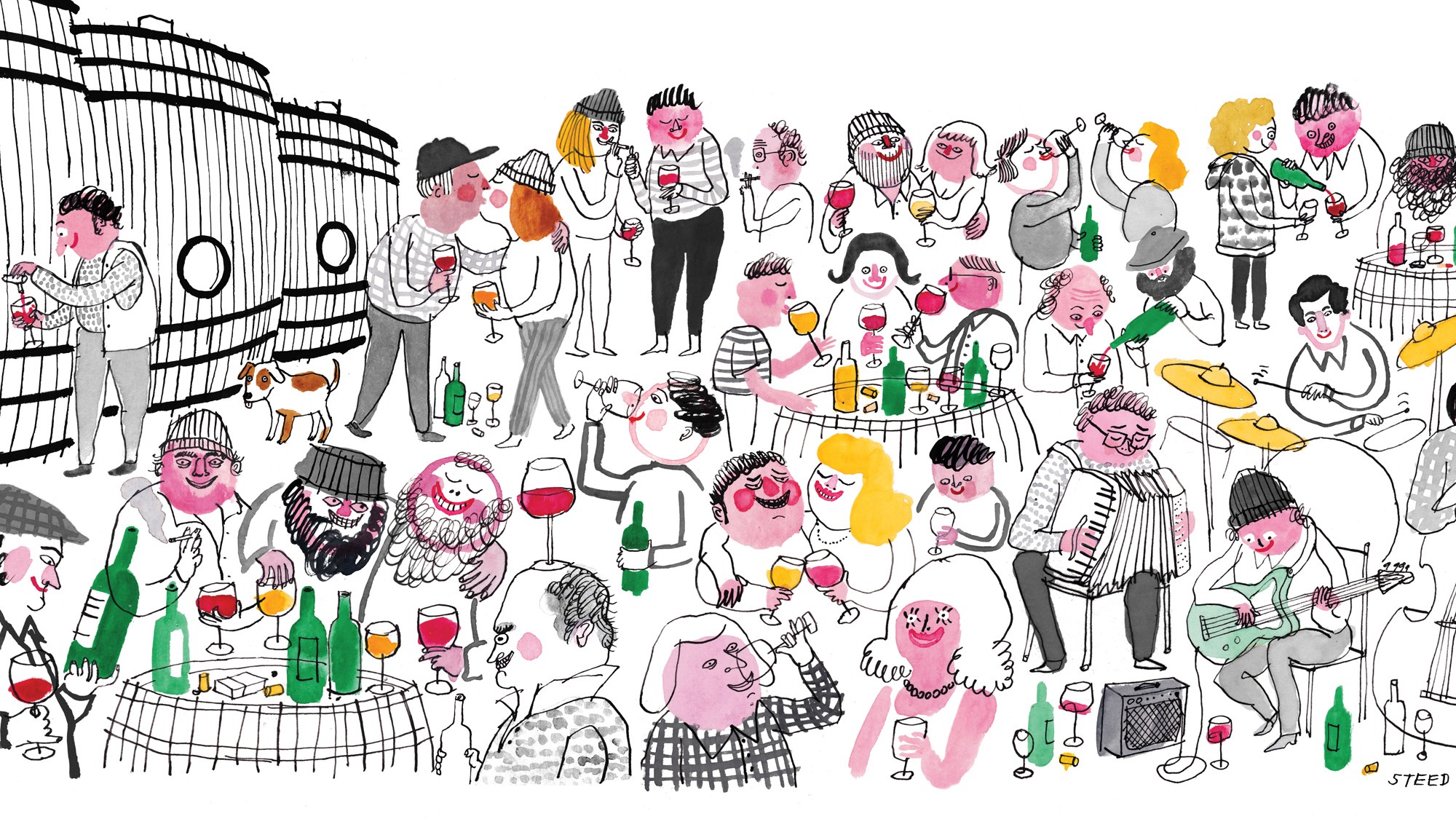
My Totally Racous, Très French, Super Wine-Soaked Weekend in the Loire

At an epic gathering of natural winemakers in France’s verdant river valley, I slurped oysters and downed magnums and got a sense of what makes this community, and its wine, so special.

Let’s get one thing straight: I know very little about wine. I drink a lot of it,
sure—the natural stuff more specifically, which as far as I understand it is a loose, poorly defined term that more or less refers to wine made by small producers without the addition of weird chemicals and with the addition of eye-catching labels. But compared with the friends and sommeliers whose oenological ramblings I excitedly nod along to, I often feel like a poseur. I know my way around a wine list, but at the end of the day, I’m a sucker for bottle art. I will always order the hypebeast wine I recognize from Instagram. I use the word funky too often. My wife, Lauren, and I went to a hip wine fair once and bought a poster we had seen in hip wine bars and hip wine stores because we thought it looked cool, not because we knew anything about “Catherine et Pierre Breton,” the French winemakers whose names were scrawled across the bottom. It hangs above our dining room table, and when we’re having our Wine Friends over, I’m always nervous someone will ask me about it, the same way 13-year-old me prayed older kids wouldn’t see my Sex Pistols T-shirt and ask questions about a song that wasn’t on the greatest hits album.

Continue reading “My Totally Racous, Très French, Super Wine-Soaked Weekend in the Loire”

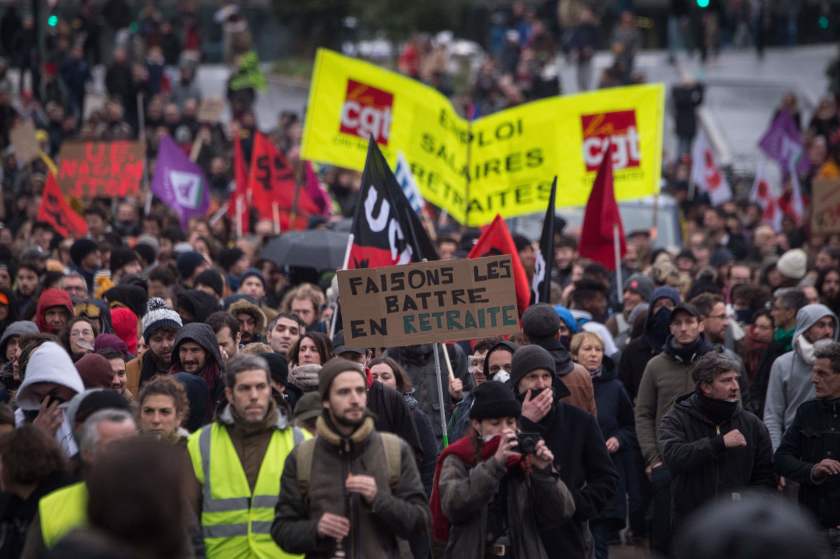
Les Misérables: Why are the French, who seem to have much, so quick to protest?

Puzzling as it may seem in a country that appears to have so much going for it — fine wines, haute cuisine, high fashion and roughly 1,000 different cheeses — the French are Les Misérables. As author Sylvain Tesson told France Inter radio recently: “France is a paradise inhabited by people who believe they’re in hell.”

Economist Claudia Senik, a professor at the famous Sorbonne University, has studied the French malaise and believes it dates to the 1970s and the end of the “Trente Glorieuses,” the 30 postwar years when France boomed.

“It’s linked to the way the French view the world and their place in it. They have high expectations about the quality of life, freedoms and many values driven by the French Revolution and this sets a high benchmark for satisfaction,” Senik says. “They look back at a golden age when France made the rules of the game, and now we are just another smallish country forced to accept and adapt to rules.”

In her research paper, “The French Unhappiness Puzzle,” Senik found that even when they leave France to live elsewhere in the world, they take their gloominess with them, suggesting it is not France but being French that makes people unhappy.

“I was surprised to discover that since the 1970s the French have been less happy than others in European countries, much less happy than you’d have thought, given their standard of living, lifestyle, life expectancy and wealth,” Senik says. “It’s a problem of culture, not circumstance. It’s the way they feel, their mentality.”

On paper, the French have few reasons to be gloomy: They enjoy free and universal access to an enviable health system ranked first by the World Health Organization, free schools and universities, a maximum 35-hour workweek, six weeks’ annual vacation, paid parental leave and an enviable welfare safety net. Continue reading “Les Misérables: Why are the French, who seem to have much, so quick to protest?”