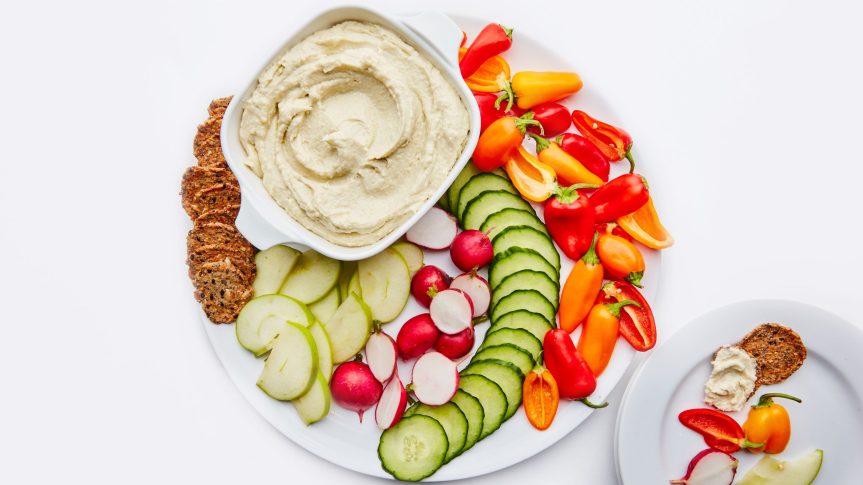
Fromage Fort Is a Cheesy Spread Made From Wine, Cheese, and Butter

Cheese, butter, wine—name a more iconic trio.

The only thing better than a good recipe? When something’s so easy to make that you don’t even need one. Welcome to It’s That Simple, a column where we talk you through the process of making the dishes and drinks we can make with our eyes closed.

My parents are notorious cheese hoarders. There is never a time when I’m at their house and their cheese drawer isn’t overflowing with Havarti for my mom and a sharp Irish or Australian cheddar for my dad, plus whatever called their names at the grocery store that week.

Unfortunately I’ve inherited this trait. I can’t resist combing through any “just-enough” cheese bin and taking one or two home with me. But when a regular cheese-and-cracker combo isn’t hitting the spot anymore, or I have a leftover hunk from a recipe and I don’t know what to do with the rest, fromage fort is my savior. Quite literally meaning “strong cheese” in French, it is the divine combination of cheese, butter, and wine. Blended up with the allium or herbs of your choice, it becomes an impossibly addictive and infinitely adaptable spread, and though it feels posh, the only thing you need to make it is a food processor.

It requires about 8 oz. cheese, room temperature (you can always do more, but depending on the size of your food processor, you may have a hard time doing less). Part of the fun is figuring out which cheeses to play against each other. In general bluer, funkier, or saltier cheeses will have a more dominating flavor than milder cheeses, so use less of them if you want the flavors of any other cheeses to come through. Try balancing 1 or 2 oz. of your blue or funky cheese with 3 or 4 oz. of something mild and buttery, like Muenster or Gouda, and round out the rest with familiar fridge standbys like goat cheese, Parmesan, or cheddar. Grate any harder cheeses and cube or crumble softer cheeses. If you want to add garlic—and you do—give a clove a rough chop. Continue reading “Fromage Fort Is a Cheesy Spread Made From Wine, Cheese, and Butter” →

Ballaké Sissoko & Vincent Segal Tiny Desk Concert

Most bands that perform a Tiny Desk Concert need to adjust their setup and sound to accommodate the setting’s limitations.

Malian kora player Ballake Sissoko and French cellist Vincent Segal are an exception. Watch the masterful duo perform a transfixing set combining African and European strings. Set List: “Chamber Music” “Balazando” “Niandou” “‘Ma-Ma’ FC”

6 Quaint Villages In Provence, France You Must Visit

When it comes to quaint French towns and villages, Cucuron, Roussillon, Lourmarin, Lauris, Gordes, and Apt in the Luberon area of Provence do not disappoint.

The Luberon, part of the Vaucluse region of Provence in the south of France, is known for its historic and even ancient villages. Many are located on mountaintops with expansive views of the forests, fields, vineyards, and farms of the Luberon, and nearby are the famous lavender fields. The quaint villages usually consist of cafes, small town squares, medieval churches, art galleries, boutiques selling locally made products, and restaurants in addition to residents’ homes. Small hotels and bed and breakfasts are also available in each village. Here, we share the best villages to visit, plus recommended restaurants and hotels.

1. Cucuron

The town center of the village of Cucuron has a vast, rectangular pond with spring-fed water and 200-year-old plane trees towering over it. Cafes, restaurants, and a small hotel dot the square. Every Tuesday morning there’s a food and flea market at the pond, where locals get their produce and necessities. At the end of July is a flea market with antiques, tapestries, rugs, china, bric-a-brac, and artworks. Continue reading “6 Quaint Villages In Provence, France You Must Visit” →

Bras off: Lockdown triggers rise in French women going braless

growing number of French women are ditching their bras in the name of comfort and liberty, according to a recent survey, a trend that seems to have been triggered by the three-month Covid-19 lockdown in which many women got used to going without the undergarment.

Source: Bras off: Lockdown triggers rise in French women going braless