Listen to The French Connection ::  December 28, 2025

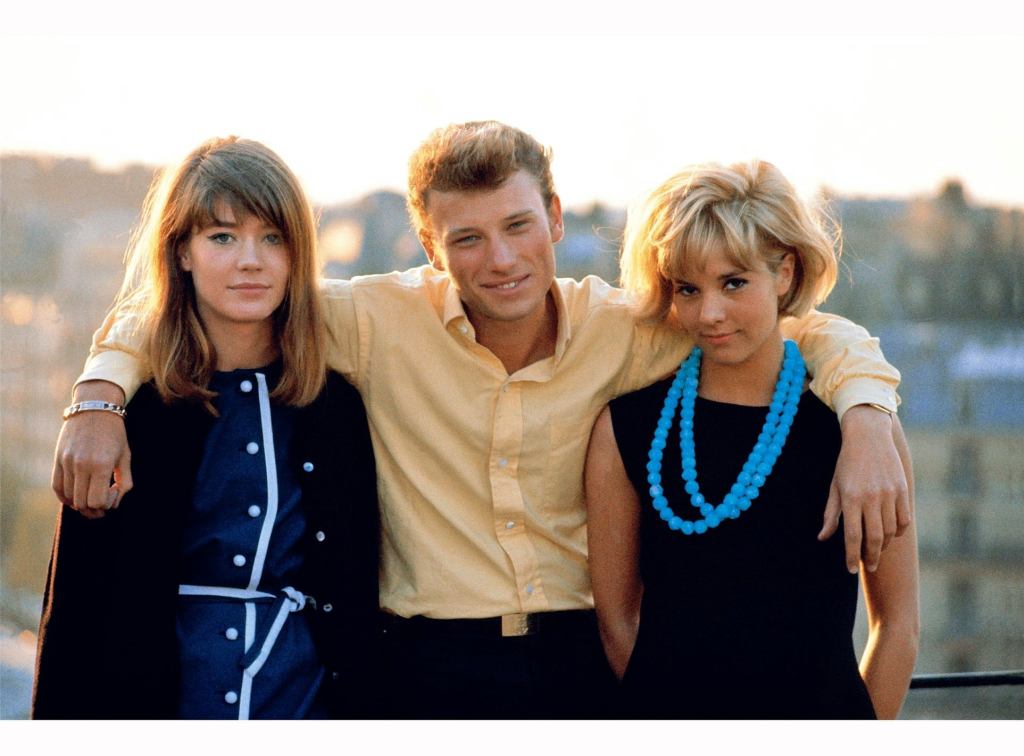
Bardot

DECEMBER 28, 2025 SALUT!

  • Boris Vian “J’Suis Snob”

REST IN PEACE, B.B.
“I gave my beauty and my youth to men, and now I am giving my wisdom and experience … the best of me, to animals.”

  • Brigitte Bardot “La Madrague” (1963)
  • Brigitte Bardot & Serge Gainsbourg “Bonnie & Clyde” (Serge Gainsbourg) (1967)

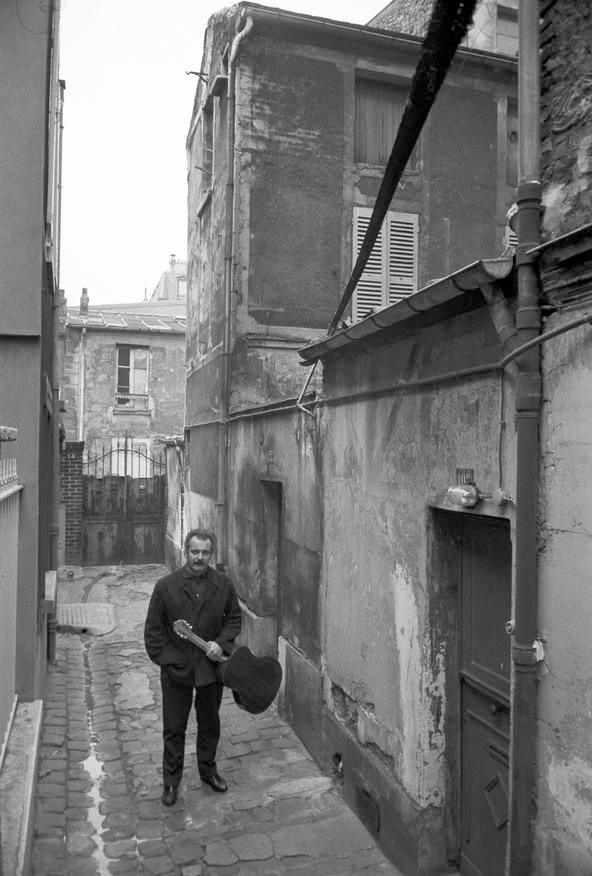
POST-WAR CHANSON
Smoky cafés, cobblestone streets, and a deep longing for a pre-war idealized Paris

  • Léo Ferré “Noël” (1961)
  • Catherine Sauvage “Avec Le Temps”
  • Léo Ferré “Le Vampire” (Baudelaire)
  • Barbara “Göttingen” (Monique Andrée Serf)
  • Barbara “Les Voyages” (Monique Andrée Serf)
  • Barbara “Ne Me quitte Pas (Jacques Brel)
  • Jacques Brel “Quand on n’a que l’amour” (Brel)
  • George Brassens “La Prière” (Francis Jammes / Brassens)
  • George Brassens “Le Piere Noël et le Petit Fille” (Brassens)
  • Catherine Sauvage “Black Trombone” (Serge Gainsbourg)
  • Léo Ferré “Saint Germaine des Pres” (Ferré)

Source: The French Connection :: Playlist and replay – WRIU 90.3 FM

Behind the Christmas Carol: Angels We Have Heard on High

By Diana Leagh Matthews

Angels We Have Heard on High commemorates the birth of Jesus Christ found in the Gospel of Luke.  The song focuses on the shepherds encounter with the angels foretelling of the birth of the newborn child. Reports say that in 129 A.D. Pope Telesphorus ordained that the “Gloria” be sung at the Christmas Eve midnight mass.  The phrase became known as the “Angels Hymn” and considered one of the earliest known Christmas hymns.

The “Gloria” is believed to have inspired the chorus in Angels We Have Heard on High.  The tune is believe to be inspired by an unknown tune that was arranged by Edward Shippen Barnes in the early 1900s.

French legend indicates that in medieval times on Christmas Eve, the shepherds would sing and call to one another from one hillside to another.  “They would call “Gloria in excelsis Deo” which means “glory to God in the highest” in Latin. It was how they would spread their holiday message and cheer from points far away to one another. From hillside to valley, the shepherd’s song must have truly sounded like angels calling to one another in celebration of the birth of Christ for the Christians living in nearby regions. Also, the song reflects the shepherd’s joy that the time of the holiday season has arrived yet again.”

Angels We Have Heard on High is of French origin and originally titled “Les anges dans nos campagnes“.  The original author of the song is unknown, but believed to be from Languedoc, France.

The carol was first published in the 1855 the Nouveau Recueil de Cantiques hymn book.

In 1862, the Roman Catholic Bishop of Hexham and Newcastle, northeast England, James Chadwick translated the song into English.  The English version was published that years in the Crown of Jesus Music.

Iain MacMilan translated the English translation into Scots Gaelic.

The version that has become popular worldwide was published later, in 1916, in the book Carols Old and Carols New. The Barnes arrangement is believed to first be published around 1937, probably in the New Church Hymnal.

Imagine being with the shepherds when the angels appeared to them on that amazing Christmas morning.

Source: Behind the Christmas Carol: Angels We Have Heard on High ⋆ Diana Leagh Matthews