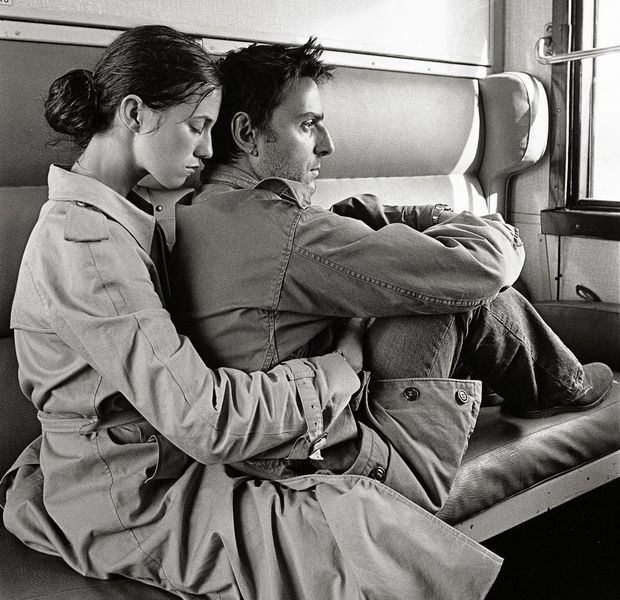
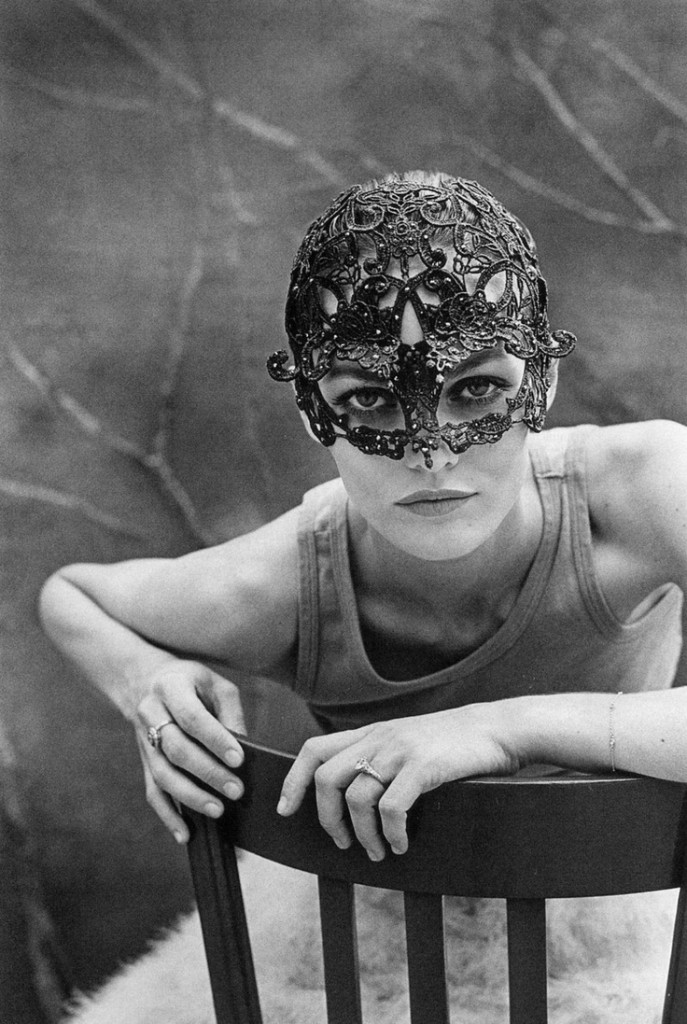
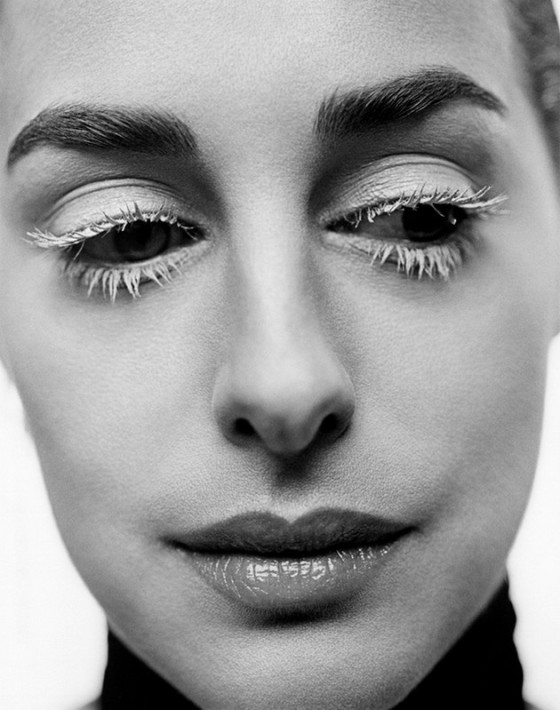
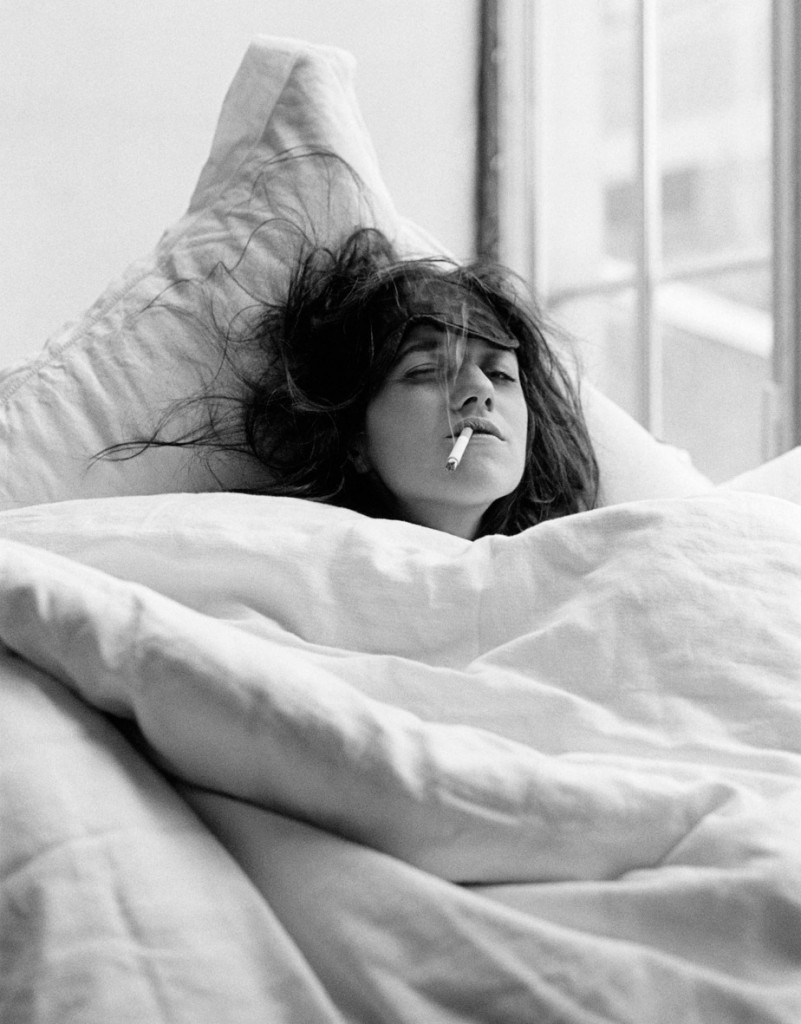
Kate Barry was a photographer born into the bohemian royal family of Parisian society. She is the first daughter of actress, singer and muse Jane Birkin

Kate Barry was a photographer born into the bohemian royal family of Parisian society. She is the first daughter of actress, singer and muse Jane Birkin
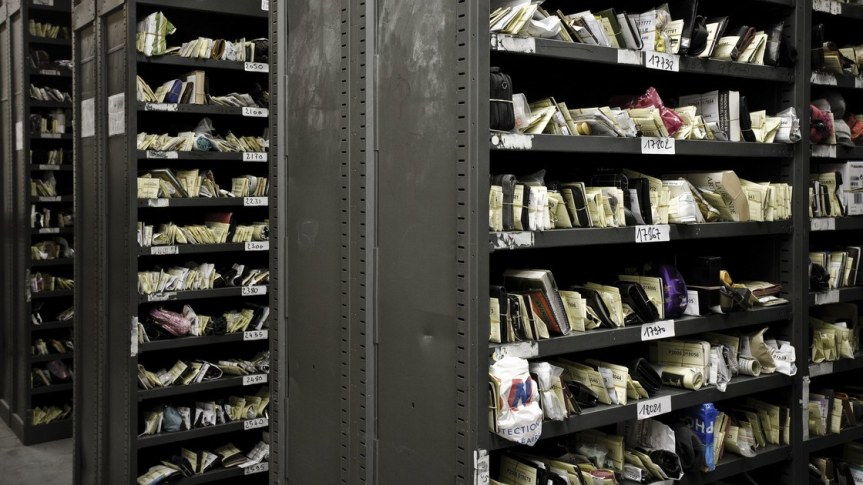
On the southern edge of Paris, a five-thousand-square-foot basement houses the city’s lost possessions. The Bureau of Found Objects, as it is officially called, is more than two hundred years old, and one of the largest centralized lost and founds in Europe. Any item left behind on the Métro, in a museum, in an airport, or found on the street and dropped, unaddressed, into a mailbox makes its way here, around six or seven hundred items each day. Umbrellas, wallets, purses, and mittens line the shelves, along with less quotidian possessions: a wedding dress with matching shoes, a prosthetic leg, an urn filled with human remains. The bureau is an administrative department, run by the Police Prefecture and staffed by very French functionaries—and yet it’s also an improbable, poetic space where the entrenched French bureaucracy and the societal ideals of the country collide [ . . . ]
Read Full Story: The Peculiar Poetry of Paris’s Lost and Found | The New Yorker
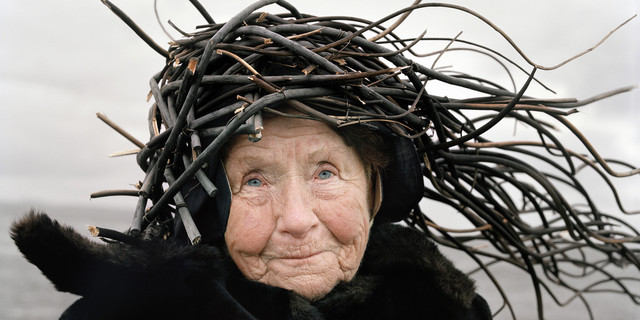
The Abbey of Silvacane in La Roque d’Anthéron (Bouches-du-Rhône) hosts until September 30, 2017 its first festival of “Photographic Stories”. Four projects, led by five international photographers – Hélène David, Ritta Ikonen and Karoline Hjorth forming a duo, Corey Arnold and Amy Friend – give their singular vision of the world. On the menu of the journey: commitment, poetry, humor.
Source: First festival: four “Photographic stories” in the den of the abbey of Silvacane

The Center Georges Pompidou offers a great retrospective of a major photographer Walker Evans (1903-1975) who spent most of his life as a photographer interested in the vernacular, in everyday life, in urban banality. He examined the American soul through its roads, advertisements, ordinary buildings, cars, pedestrians, and so on. It has marked generations of photographers.And at the end of the exhibition, a splendid text that questions less our look than the pleasure to look and evokes the spring of the artist.In this malicious parallel between church and museum, a question and then an affirmation come to mind: “What did you go to see in the desert? ”
Matthew 11: 7-9. As they were going away, Jesus began to say to the crowd about John, “What have you gone to see in the wilderness?” A reed stirred by the wind? But what did you go to see? A man dressed in precious clothes? Behold, those who wear precious garments are in the houses of kings. What have you gone to see? A prophet? Yes, I tell you, and more than a prophet”
Can we establish a parallel between the prophet and the artist?
Troubled question around the see.
John Deuzemes.
[ . . . ] Original French Translation: A good exhibition is a lesson for the look – Saint-Merry
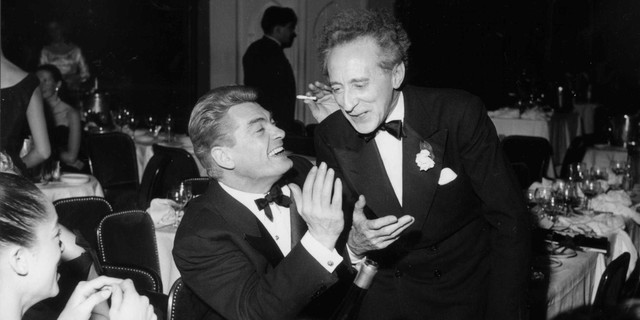
Until August 20, the hotel “Les Bories”, in Gordes in the Luberon, hosts the exhibition “Marais and Cocteau – Luck was at the rendezvous”.
A dive into the singular universe of the couple in 50 photos displayed in the gardens of this luxurious establishment, exceptionally open to the general public
Read More: Marais and Cocteau: the whole universe of a mythical couple in 50 photos
Originally a railroad station built in 1810, The Musée d’Orsay was our destination for a Cezanne exhibit. The giant clock on the top floor restaurant is a work of art as well.
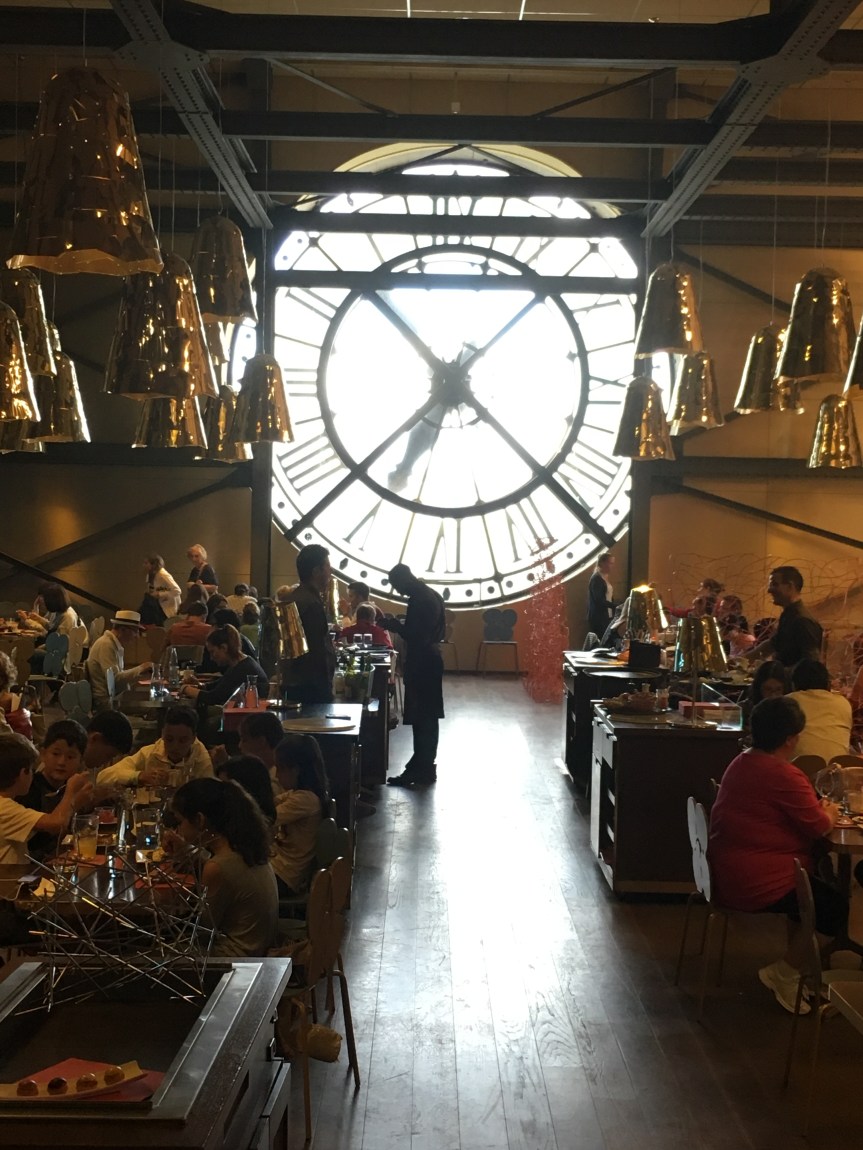
And what time does the clock say? Beaudelaire:
Always be drunk.
That’s it!
The great imperative!
In order not to feel
Time’s horrid fardel
bruise your shoulders,
grinding you into the earth,
Get drunk and stay that way.
On what?
On wine, poetry, virtue, whatever.
But get drunk.
And if you sometimes happen to wake up
on the porches of a palace,
in the green grass of a ditch,
in the dismal loneliness of your own room,
your drunkenness gone or disappearing,
ask the wind,
the wave,
the star,
the bird,
the clock,
ask everything that flees,
everything that groans
or rolls
or sings,
everything that speaks,
ask what time it is;
and the wind,
the wave,
the star,
the bird,
the clock
will answer you:
“Time to get drunk!
Don’t be martyred slaves of Time,
Get drunk!
Stay drunk!
On wine, virtue, poetry, whatever!”
 Pas De Merde