
Author: THE HOBBLEDEHOY
Michael Stevenson, aka Dai Bando, Johnny Foreigner, Monsieur Pas De Merde, is a blogger of French and British culture. His blogs "Pas De Merde" and "The Hobbledehoy" have been called "marvelous" by some, and "meh" by others.
Born on this date: Brigitte Bardot, September 28, 1934, in Paris, France.
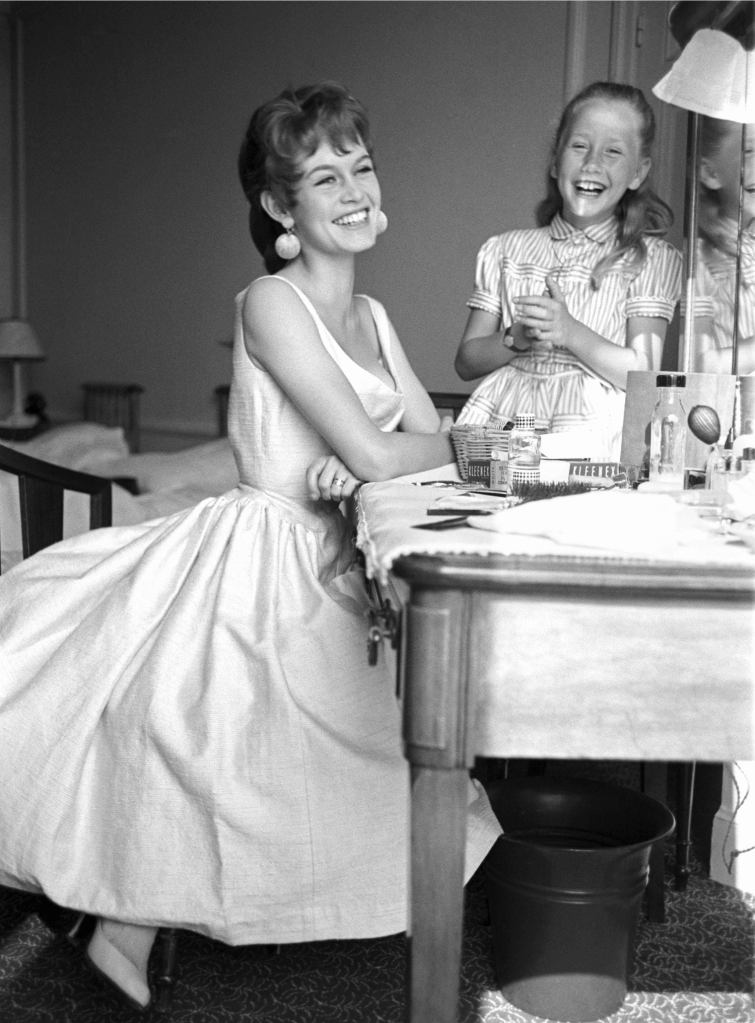
Magnifique anniversaire Brigitte Bardot !
Brigitte Bardot et Brigitte Fossey photographiées par Jack Garofalo au Festival de Cannes, 1955
Listen to radio broadcast featuring French composers Georges Auric, Georges Delerue, Frances Lai and Yann Tierson
By Wayne Cresser and Michael Stevenson

Georges Auric (1899–1983)
Auric was a versatile and significant figure in 20th-century French music and culture.
- A member of Les Six: As one of the prominent members of the group of avant-garde composers known as Les Six, he rebelled against late-Romanticism and Impressionism, advocating for a more modern, populist, and distinctively French style.
- Major film scores: He composed over 100 film scores, many for prominent directors, including his longtime collaborator Jean Cocteau. His famous film scores include:
- Beauty and the Beast (1946)
- Moulin Rouge (1952), which produced the popular song “Where Is Your Heart?”
- The Wages of Fear (1953)
- Roman Holiday (1953)
- Administrator of French music: Auric also held significant administrative positions, including director of the Paris Opéra and chairman of the French performing rights society, SACEM.
Georges Delerue (1925–1992)
Dubbed “The Mozart of Cinema” by the newspaper Le Figaro, Delerue was one of the most prolific and influential film composers of his generation.
- Prolific career: He wrote more than 350 scores for film and television, with his signature style blending classical orchestration with romantic, lyrical melodies.
- French New Wave collaborator: His distinctive style shaped the sound of the French New Wave, notably through his collaborations with director François Truffaut on films such as Jules and Jim (1962) and Day for Night (1973).
- Hollywood success: His success extended to Hollywood, where he scored notable films, including:
- A Little Romance (1979), for which he won an Academy Award
- Platoon (1986)
- Steel Magnolias (1989)
Francis Lai (1932–2018)
Lai was an Oscar-winning composer whose work helped define the “easy listening” and popular instrumental music of his era.
- Popular melodies: He was a gifted melodist known for his emotionally expressive themes. His music gained massive global recognition through his collaboration with director Claude Lelouch, for whom he scored almost 40 films.
- Global hits: His most famous and influential works include:
- The romantic theme from A Man and a Woman (1966), which earned him a Golden Globe nomination.
- The iconic, Oscar-winning score for Love Story (1970). The theme, “Where Do I Begin?”, became an international pop standard.
- Classical crossover influence: Lai’s success demonstrated that a film score could become a hit in its own right, influencing the popular music charts and inspiring a new generation of “classical crossover” artists
New song from Pomme – “Des Excuses”
Claudia, “Italy’s girlfriend”

Boris and Juliette

Boris Vian et Juliette Gréco photographiés par Georges Dudognon au club Saint-Germain, 1949

